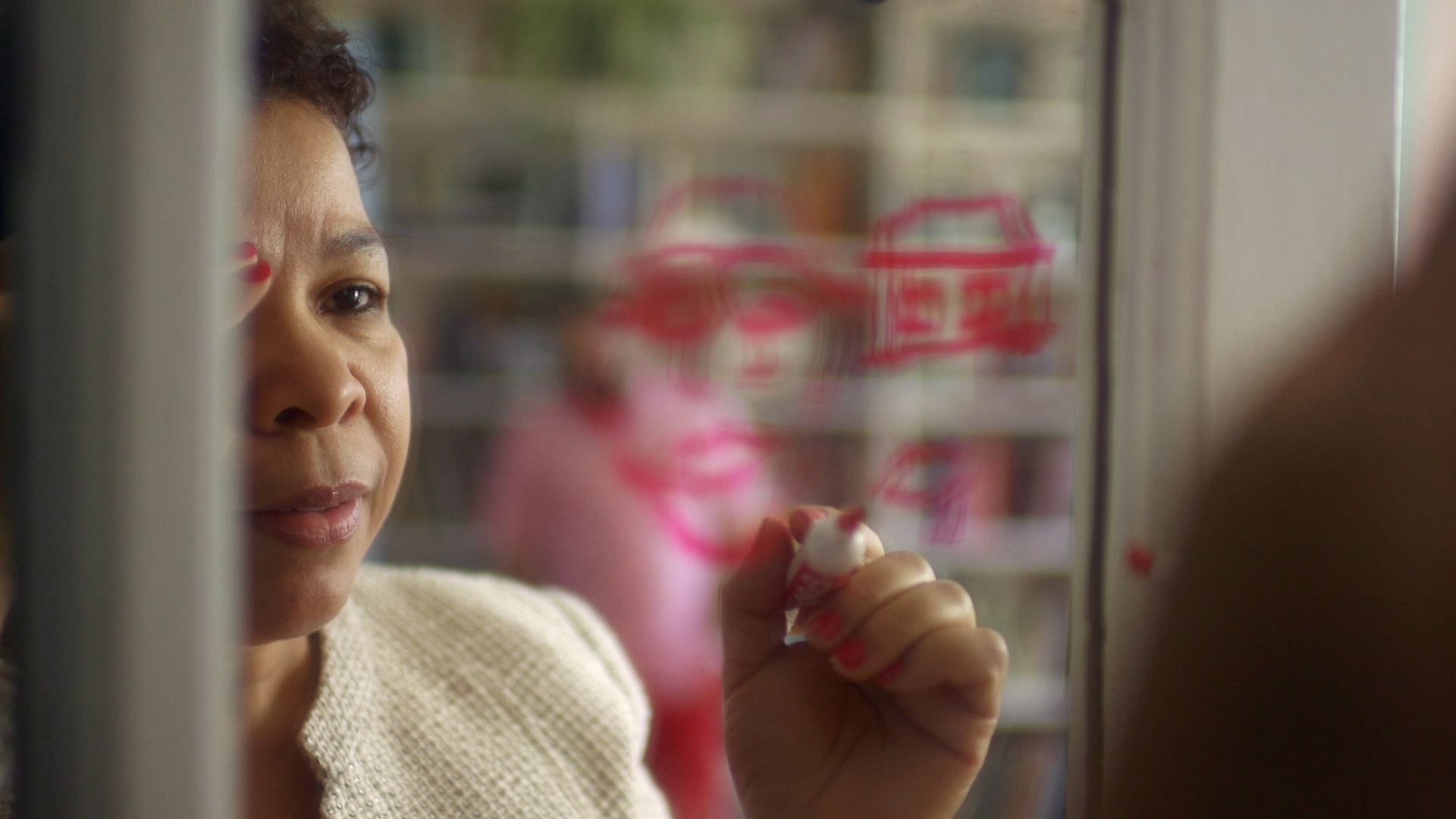
On June 28, 2018, laundry workers from El Barrio in New York City marched to the laundromat where they work. Their community and the Laundry Workers Center were there to support them.
This campaign is called “Awaken” and the fight is just beginning.
With the community at their backs, member leaders Juanita and Nicolas delivered their demands to the owner: Respect the minimum wage, respect our right to health and safety, and respect our dignity!
Speakers:
Nicolas Benitez-laundromat leader
Juana F. – laundromat leader
Mahoma López- Laundry Workers Center Co-Executive Director
Heleodora Viva- Street Vendor Project Member Leader
Video:
Camera – Lynne Sachs, co- director “The Washing Society” film
Editing- Rebecca Shappas
Production support: Rosanna Rodriguez, Laundry Workers Center Co-Executive Director; Padre Fabian Arias, Iglesia Sion; Lizzie Olesker, Co-Director “The Washing Society” film
Translation: Maria Scharron
A Morning with Jack Waters (2018) HD Video, 46:34, color, sound
In conversation with filmmaker Lynne Sachs, multi-disciplinary artist Jack Waters discusses his career and experiences as a part of the downtown New York City art scene from the early 80s to the present.
Jack Waters works as a visual artist, filmmaker, writer, media artist, choreographer and performer. As a versatile and multi-faceted artist, his work has been celebrated in all of its forms, showing at the La Mama Galleria (NYC), Fales Library and Special Collections (NYC), Frise (Hamburg, Germany). His films have screened internationally and have been aired on the Sundance Channel and PBS amongst others. Recently, he performed as Jason in Stephen Winter’s highly acclaimed feature film “Jason and Shirley”, a historical re-imagining of the making of Shirley Clarke’s 1967 landmark film “Portrait of Jason”.
With his partner, Peter Cramer, Waters helped to establish and foster various collectives and projects such as POOL, a dance and performance collective which “explored contact and other forms of improvisation… creating performance work, choreography, and ephemeral events in NYC” and beyond.
Additionally, Waters and Cramer are co founders of Le Petit Versailles, a Green Thumb Garden on the Lower East Side of Manhattan that is “committed to providing a space for performers, filmmakers and visual artist to show their work.” In this way Waters continues to engage with and support the downtown community arts scene.
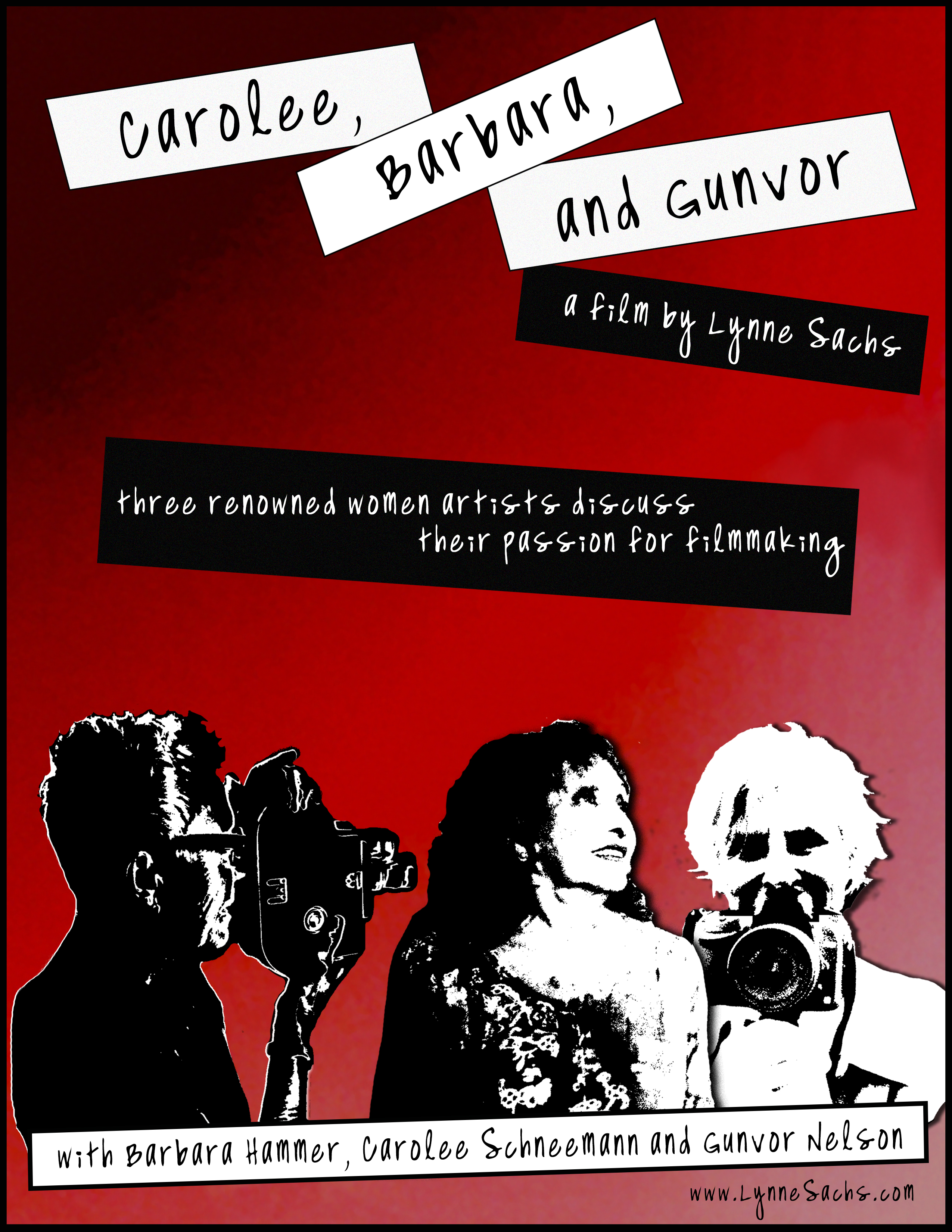
Three renowned women artists discuss their passion for filmmaking.
From 2015 to 2017, Lynne visited with Carolee Schneemann, Barbara Hammer and Gunvor Nelson, three multi-faceted artists who have embraced the moving image throughout their lives. From Carolee’s 18th Century house in the woods of Upstate New York to Barbara’s West Village studio to Gunvor’s childhood village in Sweden, Lynne shoots film with each woman in the place where she finds grounding and spark.
Hi dear Lynne, What a beautiful compilation…. I love my section and so appreciate the triple-visions within your camera life. It really is a lyric and incisive triple-portrait. I thank you so much for this clarity, visual richness. And I loved seeing Barbara with those old Bolex cameras! Your subtle inclusion of our personal surround has rhythm, shadow, light, momentum and quietude. How do we celebrate with you for this splendid work?
With love and admiration! Carolee
——
Hi Lynne,
I finally had a chance to watch your lovely film! I was surprised at how energetically I performed for your camera, I was so happy when Gunvor finally spoke! She is as beautiful as ever. I’m honored Lynne, to be grouped with such strong and remarkable filmmakers.
Love, Barbara
Artist Statement:
What is a body? What can a body do? How is a body rendered an object? And, how does this “object” have agency?
I believe these questions are at the root of a female guided exploration of art making. As a young filmmaker and student, I remember reading Laura Mulvey’s ground-breaking essay “Visual Pleasure and Narrative Cinema” (1975), in which she proposes that “sexual inequality is a controlling social force in the cinematic representations of the sexes; and that the male gaze is a social construct derived from the ideologies and discourses of patriarchy.” As I hold my camera and frame our world, I work extremely hard to keep her words in mind, knowing that gripping my own Bolex 16mm camera or writing my own scripts does not necessarily mean that I would produce images that came from my own experience as a woman. I needed to find a personal, somatic cinema that embraced a new physical relationship to this apparatus. It wasn’t just that I wanted to produce images that spoke to women’s lives, liberation, love, struggle, awareness or consciousness. When I first watched “Fuses” (1965) by Carolee Schneemann (https://vimeo.com/12606342), “Optic Nerve” (1985) by Barbara Hammer (https://vimeo.com/49508330) and “My Name is Oona” (1969) by Gunvor Nelson (https://vimeo.com/242768525) in the late 1980s, my own camerawork was catapulted into an expanded, self-aware, performative mode of working. Their radical, improvisational and totally physical cinematography pushed me and other women artists to dive deeply and fully into our bodies and ourselves.
Over the following decades, I became very close to all three women. They were dear friends, fellow artists, and mentors. Making “Carolee, Barbara, and Gunvor” is my gift to them, and theirs to me.
“Lynne Sachs’ Carolee, Barbara and Gunvor is an 8-minute triptych of brief encounters with Carolee Schneemann, Barbara Hammer, and Gunvor Nelson filmed at the artists’ homes or studios. Sachs has a really well-attuned photographic eye, and she captures the trio in a series of easygoing domestic situations. The three artists discuss their artistic lives, how they came into their practice, how their gender identities factor in, where their work comes from. It’s a simple premise with intimate results, especially good at giving a sense of the artists’ environments. ” (Tyler Maxin)
“I could make the inside of myself show on the outside,” Barbara Hammer says in Lynne Sachs’s documentary Carolee, Barbara & Gunvor (2018), explaining how a lighter movie camera, developed in the Sixties, helped her convey intimacy, and thus became a useful, malleable tool of expression. The short, in which Sachs pays a visit to pioneering women artists who used moving image in their practice — Hammer, Carolee Schneemann, Gunvor Nelson — will enjoy a weeklong run as part of “Doc Fortnight,” the Museum of Modern Art’s annual showcase dedicated to nonfiction film. (Ela Bittencourt)
“A similarly brief and similarly enchanting encounter followed with the world premiere screening of Carolee, Barbara, and Gunvor, (2018) Lynne Sachs’s nine-minute cinematic collage exploring the distinctive styles and approaches of three artists. She delicately weaves them together by positioning them each in a place of familiarity and inner personal power to themselves and their work. Schneemann interacts with a film camera as a prop which becomes an inducer of memories in her Hudson Valley home; documentary maker Barbara Hammer moves around various sources of inspiration in her West Village studio and Gunvor Nelson shares glimpses of the village where she spent her childhood in Sweden. Each artist is gracefully and uniquely introduced via different relationships they have created with themselves, their environments, the filmmaker, and the audience.”
It was deep into her artistic practice that Lynne Sachs shifted to a collaborative style of filmmaking. As she recounts on her website, Sachs was in the midst of recording a project when it struck her that those in front of the camera were performing. Aware that such hyperbolic displays might betray the authenticity of her subjects, Sachs invited the subjects to participate with her. No longer was her process about filming and being filmed. Rather, filmmaking became a joint effort that softened the camera as an intermediary and aloof barrier.
It’s this approach to filmmaking that makes Sachs’ most recent work, Carolee, Barbara and Gunvor, such a particularly wonderful piece. The short film doesn’t expose the stories of just any subjects; it looks at the lives of three creative giants who work with the moving image: Carolee Schneemann, Barbara Hammer, and Gunvor Nelson. With filmmakers balancing out both sides of the lens, the collaboration between filmmaker and subject reaches superheroine proportions.
Shot on 8mm and 16mm film, the soft colors and square aspect ratio of the film pull the viewer out of contemporary times. In the first image of the film, a cat is perched on a tree limb. In the next, the cat is acting as sentinel on a porch. The camera looks from the inside of a house out, framing the cat in a doorway. This moment jars me. I hear the voice of Schneemann discussing her entry into the medium of moving images, but the picture quality, the cat, the framing—it all conjures images of Schneemann’s own Fuses. For a moment, I wonder if I’m actually looking at Schneemann’s footage, but the tell-tale painted film frames, frenetic cuts, and abstraction of her work are absent.
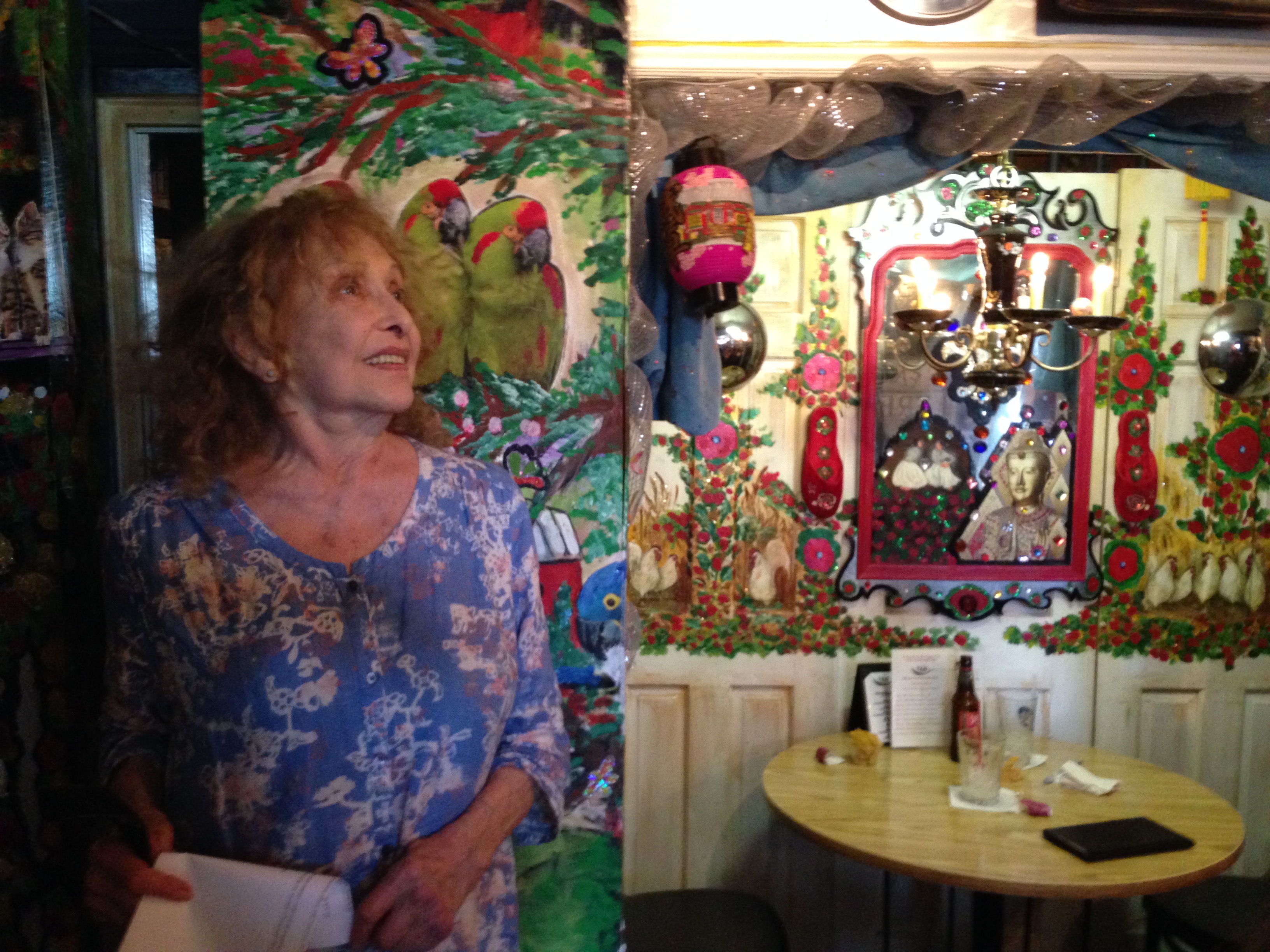
Sachs’ camera casually captures mundane moments at Schneemann’s upstate New York home with beautiful, compositional precision. Schneemann describes moments ranging from her first experience with a Bolex camera to her desire to film the ordinariness of light coming through a hospital window. While she describes it, Sachs captures the sentiment; Schneeman is seen talking on the phone, hanging laundry, looking at mail. Sachs also prioritizes otherwise subtle images in and around the home: a dead bird on the porch, light coming through the window, and shots of greenery around the yard. In this piece, collaboration comes in the form of homage and interpretation.
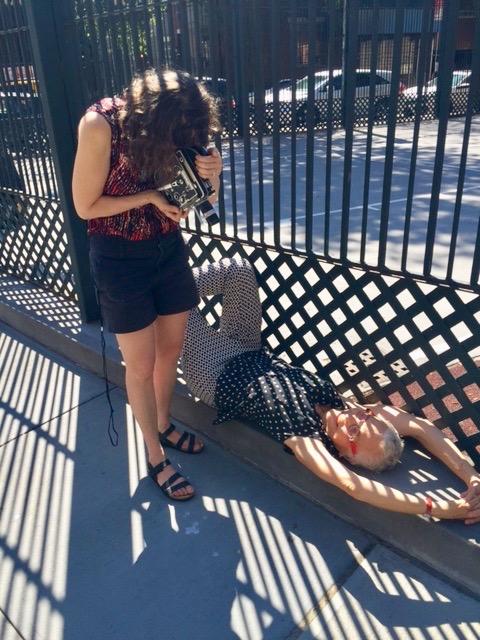
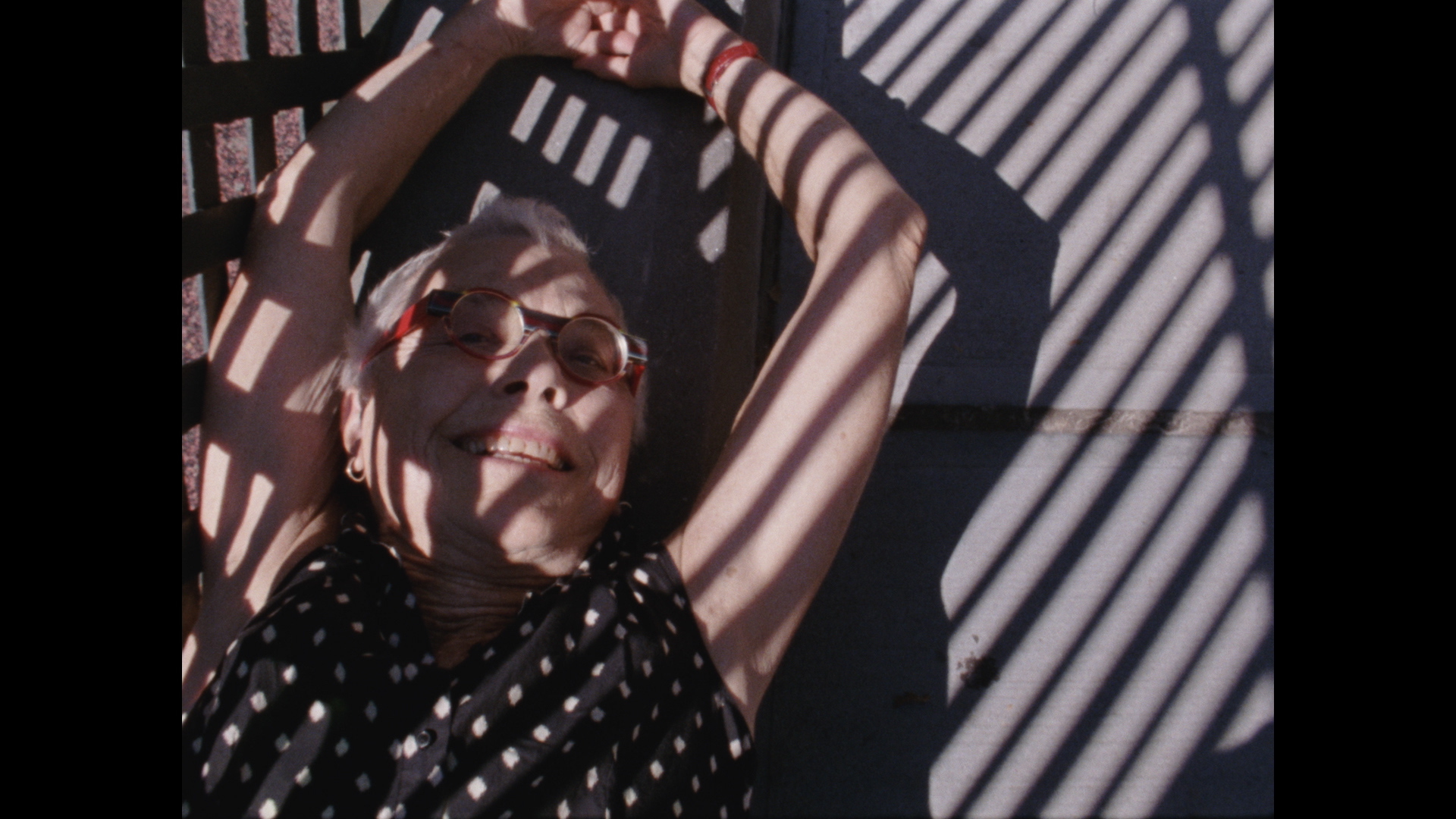
Next, the film moves to the voice and image of Barbara Hammer. Of the film’s three subjects, Hammer is perhaps the most performative of the bunch. In a compositionally stunning scene, Hammer, at turns, walks and jogs the length of an iron fence in New York’s West Village. She repeats this several times, her body mingling with the long shadows cast by the iron slats. Eventually, she addresses the presence of Sachs’ camera. She stops, stares into it—challenges it—until Sachs pulls the camera skyward. A moment later, Hammer is on the ground, bathed in the fence’s shadows and smiling. Accompanying these images is Hammer’s forever youthful voice, explaining her love of performance both with and without her camera.
From here, the viewer moves into Hammer’s studio space to watch her toy with window blinds and choreograph film cameras as she slides them across her table. She discusses identity, and that discussion is punctuated with another challenge to Sachs’ camera; Hammer points the lens of a camera right back at her.
The final section of the triad takes the viewer to a montage of images that focus on the natural: flowers, ducks, a pond, and landscape greenery. There is no audio soundtrack for the first portion of this section: no music and no narration. The faintest sound of birds in the distant background can be missed unless the volume is set to high. Finally, the voice of Gunvor Nelson cuts the silence. It joins the images, describing Nelson’s entry into film and her impending exit from it as well. The images in this section of the film seem crisper, perhaps to reflect the camera Nelson holds in her hands—a digital Nikon. As Nelson and her camera interact with flowers and landscape, Sachs’ camera watches. Eventually, the two artists end up lens to lens, looking down a barrel at one another’s craft.
Carolee, Barbara and Gunvor is an exquisite dance shared by filmmakers and their literal and metaphorical lenses. It’s also a wonderful journey of nostalgia. The look of the 8mm and 16mm film paired with the subject matter easily takes the viewer back to the innovative first moments of women’s experimental filmmaking.
Is this a feminine sensibility? (This question) is at play in Carolee, Barbara & Gunvor (2018), Lynne Sachs’ portrait of three trailblazing experimental filmmakers, which premiered at MoMa’s Documentary Fortnight last year. In a Derenesque wink, the opening image is a cat, as Schneemann’s voice drifts in from the space offscreen. She remembers her first camera – a Brownie – and how holding it made filmmaking feel like “an inevitability”. Sachs’s camera, as if searching for Schneemann, pans around an empty room—a nod to Deren’s Meshes, andtinged with Akerman, too. Before any of the film’s titular subjects even appear on camera, Carolee, Barbara & Gunvor pulsates with the energy of feminist experimental cinema’s kindred trailblazers. Common threads are explicated, teased out by the subjects’ accounts, yet left open-ended as brevity is forced by the film’s short runtime.
In her section of the triptych, Schneemann recalls the challenge of convincing a male friend to lend her his Bolex: he resisted “as if I would bleed on this precious machinery”. She admits that she didn’t really know how to use it. Yet we know that the spirit of determination – so distinct in her oeuvre – won out, because now she’s on the other side of the camera. Next, we see Hammer. In contrast to the disembodied voice from Vever – made frail by poor cell connection and increasingly-advanced cancer – she is vivacious, running through the West Village, clowning for the camera. She recounts a foundational anecdote of her practice: on a detour from another motorcycle ride she was sidetracked by a crop of leaves in striking red. As if compelled by the goddess, she took out a bifocal lens from her optometrist and placed it in front of the camera, moving while she filmed. The finished project was a sublime manifestation of exactly how she’d felt when the leaves first caught her eye. , This embrace of openness and contingency was, for Barbara, fundamentally feminine – “I could make the inside of myself show on the outside” – and a release from the schizophrenic pull of rigidly-gendered rules for expression.
The last and longest section of Sachs’s film opens with a series of lingering close-ups of flowers. “After seeing a few of Bruce Bailey’s films, I understood that I, also as a single artist, could try.” In her childhood village in Sweden, Gunvor Nelson paces herself through what she has decided will be the final three projects of her career. There is a certain and deliberate slowness in her approach. She struggles to find tech support for her DSLR, but adapts to this challenge, finding eagerness and excitement in “calmly working” with stills. Sachs opts for a drawn-out rhythm in this vignette, as meandering shots of the surrounding nature recall the particular intimacy of Nelson’s work. This extends to her current process: even amidst technological change, she is invested in listening to her images, we sense, not bludgeoning them into some preordained vision.
These two shorts give us insight into seven women: Barbara Hammer, Maya Deren, Carolee Schneemann, and Gunvor Nelson as subjects and speakers; Lynne Sachs and Deborah Stratman from behind the camera. Watching both films, I wonder what connections there are to be drawn. Does the recent surge in filmic portraits of female trailblazers point towards a ‘feminine sensibility’, long overdue for historical recognition? I’m hesitant to speak about any ‘shared themes’ across the layered, nuanced careers that constitute this genealogy, lest these similarities be construed as an essentialised roadmap. How can we identify the beauty that comes from rejecting the strictures of masculine ways-of-being in the world without mummifying it, crystallizing these artists’ irreducible vibrancy into a prescriptive binary formula?
The key might lie in situating their work within experimental cinema’s challenging, unfeminist history. Reflecting on her mid-Sixties collaboration with Stan Brakhage, Schneemann laments: “Whenever I collaborated, went into a male friend’s film, I always thought I would be able to hold my presence, maintain an authenticity. It was soon gone, lost in their celluloid dominance.”Cat’s Cradle is hardly the only masterwork of structural film to suggest a sort of Abstract Expressionist-adjacent machismo. Against this backdrop, the nexus of similarities between Schneemann, Deren, Nelson, Sachs, and Stratman becomes explicable not as the record of some intrinsically-female way of seeing and filming the world, but as the product of work: a shared undertaking invested in upending experimental cinema’s more problematic attitudes and replacing them with a new hierarchy of aesthetic values: adaptability, intimacy, and tenderness. Only when we honour these values, in all their many manifestations across these seven artists’ careers, can we begin to construct the kind of feminist genealogy¹ that film history so urgently requires.
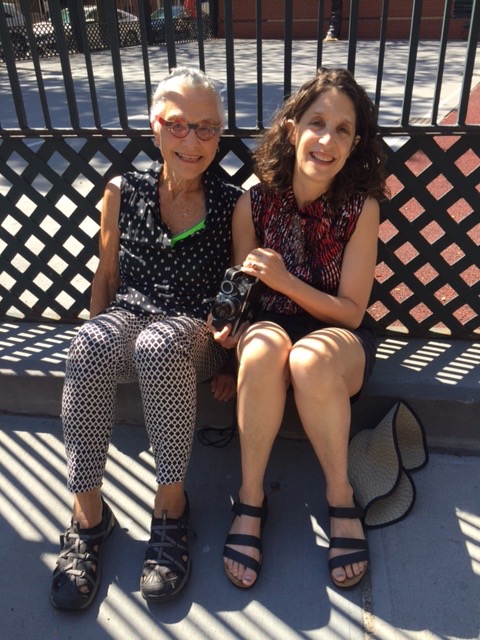
Barbara Hammer and Lynne Sachs
Lynne Sachs shoots with her Bolex camera with Barbara Hammer.
Barbara Hammer
Carolee Schneemann
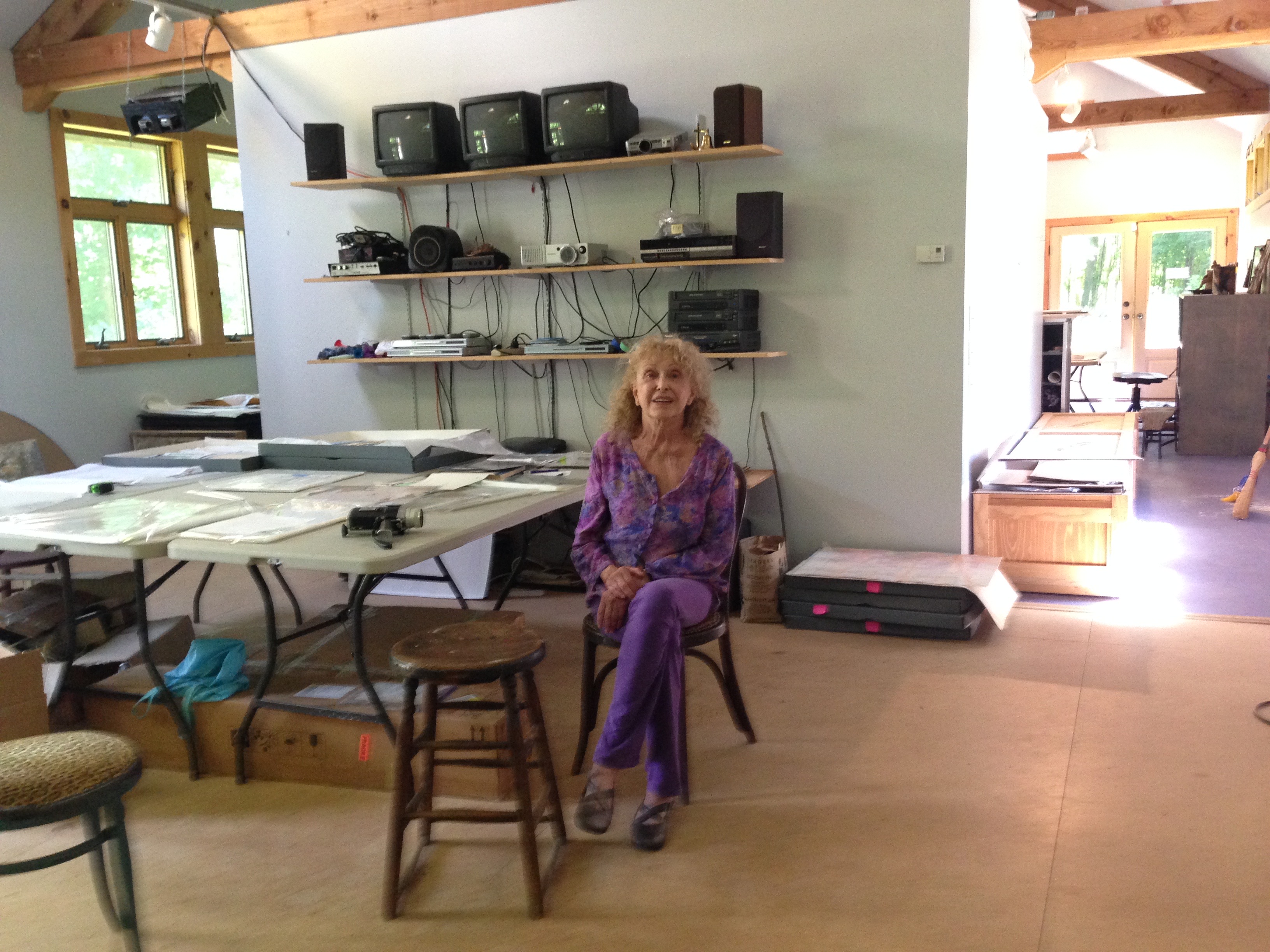
Carolee Schneeman in her studio.
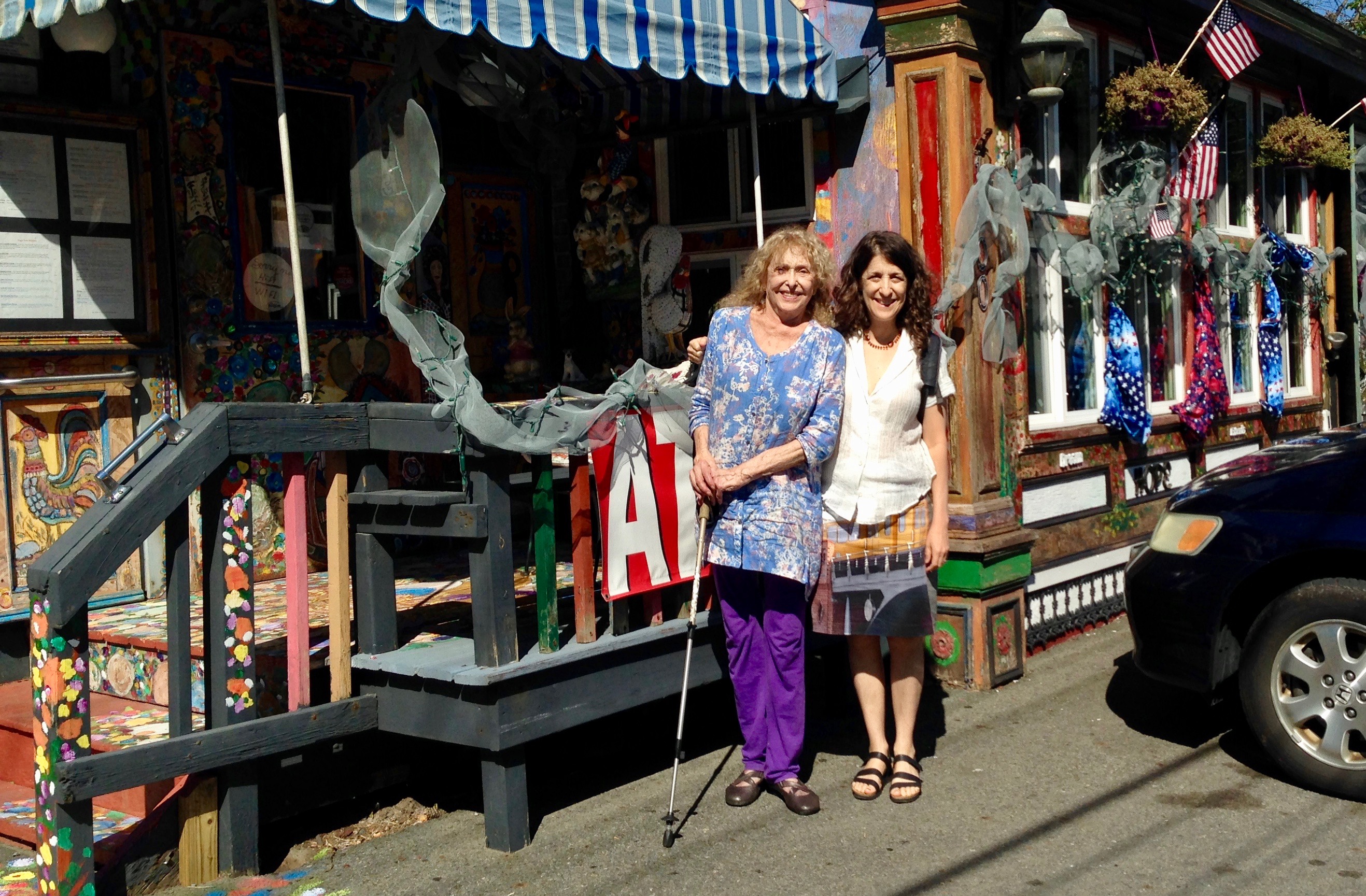
Carolee and Lynne in Rosendale, New York.
Gunvor Nelson in her studio.
In Search of a Feminst Sensibility: Two New Films by Deborah Stratman and Lynne Sachs (excerpt)
Is this a feminine sensibility? A similar question is at play in Carolee, Barbara & Gunvor (2018), Lynne Sachs’ portrait of three trailblazing experimental filmmakers, which premiered at MoMa’s Documentary Fortnight last year. In a Derenesque wink, theopening image is a cat, as Schneemann’s voice drifts in from the space offscreen. She remembers her first camera – a Brownie – and how holding it made filmmaking feel like “an inevitability”. Sachs’s camera, as if searching for Schneemann, pans around an empty room—a nod to Deren’s Meshes, and tinged with Akerman, too. Before any of the film’s titular subjects even appear on camera, Carolee, Barbara & Gunvor pulsates with the energy of feminist experimental cinema’s kindred trailblazers. Common threads are explicated, teased out by the subjects’ accounts, yet left open-ended as brevity is forced by the film’s short runtime. In her section of the triptych, Schneemann recalls the challenge of convincing a male friend to lend her his Bolex: he resisted “as if I
would bleed on this precious machinery”. She admits that she didn’t really know how to use it. Yet we know that the spirit of determination – so distinct in her oeuvre – won out, because now she’s on the other side of the camera. Next, we see Hammer. In contrast to the disembodied voice from Vever – made frail by poor cell connection and increasingly-advanced cancer(https://www.youtube.com/watch?v=FMeoAx9dZkI) – she is vivacious, running through the West Village, clowning for the camera. She recounts a foundational anecdote of her practice: on a detour from another motorcycle ride she was sidetracked by a crop of leaves in striking red. As if compelled by the goddess, she took out a bifocal lens from her optometrist and placed it in front of the
camera, moving while she filmed. The finished project was a sublime manifestation of exactly how she’d felt when the leaves first caught her eye. This embrace of openness and contingency was, for Barbara, fundamentally feminine – “I could make the inside of myself show on the outside” – and a release from the schizophrenic pull of rigidly-gendered rules for expression. The last and longest section of Sachs’s film opens with a series of lingering close-ups of flowers. “After seeing a few of Bruce Bailey’s films, I understood that I, also as a single artist, could try.” In her childhood village in Sweden, Gunvor Nelson paces herself through what she has decided will be the final three projects of her career. There is a certain and deliberate slowness in her approach. She struggles to find tech support for her DSLR, but adapts to this challenge, finding eagerness and excitement in “calmly working” with stills. Sachs opts for a drawn-out rhythm in this vignette, as meandering shots of the surrounding nature recall the particular intimacy of Nelson’s work. This extends to her current process: even amidst technological change, she is invested in listening to her images, we sense, not bludgeoning them into some preordained vision.
These two shorts give us insight into seven women: Barbara Hammer, Maya Deren, Carolee Schneemann, and Gunvor Nelson as subjects and speakers; Lynne Sachs and Deborah Stratman from behind the camera. Watching both films, I wonder what connections there are to be drawn. Does the recent surge in filmic portraits of female trailblazers point towards a ‘feminine sensibility’,
long overdue for historical recognition? I’m hesitant to speak about any ‘shared themes’ across the layered, nuanced careers that constitute this genealogy, lest these similarities be construed as an essentialised roadmap. How can we identify the beauty that comes from rejecting the strictures of masculine ways-of-being in the world without mummifying it, crystallizing these artists’ irreducible vibrancy into a prescriptive binary formula? The key might lie in situating their work within experimental cinema’s challenging, unfeminist history. Reflecting on her mid- Sixties collaboration with Stan Brakhage, Schneemann laments (https://www.revolvy.com/folder/Films-directed-by-Stan-Brakhage
/544076): “Whenever I collaborated, went into a male friend’s film, I always thought I would be able to hold my presence, maintain an authenticity. It was soon gone, lost in their celluloid dominance.” Cat’s Cradle is hardly the only masterwork of structural film to suggest a sort of Abstract Expressionist-adjacent machismo. Against this backdrop, the nexus of similarities between Schneemann, Deren, Nelson, Sachs, and Stratman becomes explicable not as the record of some intrinsically-female way of seeing and filming the world, but as the product of work : a shared undertaking invested in upending experimental cinema’s more problematic attitudes and replacing them with a new hierarchy of aesthetic values: adaptability, intimacy, and tenderness. Only when we honour these values, in all their many manifestations across these seven artists’ careers, can we begin to construct the kind of feminist genealogy that film history so urgently requires.
A Letter to the World: Experiments in Essay Filmmaking
In the words of renowned film avant-gardist Hans Richter, essay films “’make problems, thoughts and even ideas’ perceptible … they ‘render visible what is not visible.’”
From Chris Marker and Agnes Varda to Travis Wilkerson and Trinh T. Minh-ha, filmmakers and artists have been using the genre of essay filmmaking to explore new modes of blending fact, fiction, and experience to capture essential truths. A constantly evolving and flexible form, essay films are used to document cultural and historical moments, evoke a feeling, unravel an auto-biography, and respond to critical social turning points with a challenging mix of traditional documentary conventions, personal nuance and experimental artistry.
Join UnionDocs and filmmaker Lynne Sachs to explore the history, theory and practice of this shape-shifting genre. Open to filmmakers, students, artists, scholars and more, this three-day intensive enables artists to articulate their ideas and explore new methodologies in crafting their work.
Join UnionDocs and filmmaker Lynne Sachs to explore the history, theory and practice of this shape-shifting genre. Open to filmmakers, students, artists, scholars and more, this three-day intensive enables artists to articulate their ideas and explore new methodologies in crafting their work.
Participants in this intensive workshop will have the chance to work with a wide range of scholars and practitioners: Lynne Sachs will lead the course with help from filmmakers Alan Berliner, Akosua Adoma Owusu and Roger Beebe. Scholars and co-writers of “Essays on the Essay Film”, Timothy Corrigan & Nora M. Alter will join and provide a window into the theory and history of the form. Through seminars and work-in-progress critiques, together participants will each, in their own way, push the boundaries of reality-based work, questioning truth and fact as they are conveyed and represented, and learn how to put this new knowledge into practice. Current projects are not required to attend, but encouraged!
Dec. 2017 Essay Film Workshop withLynne Sachs, Akosua Adoma Owusu, Jacqueline Goss, Jim Finn, Sky Hopinka & Su Friedrich
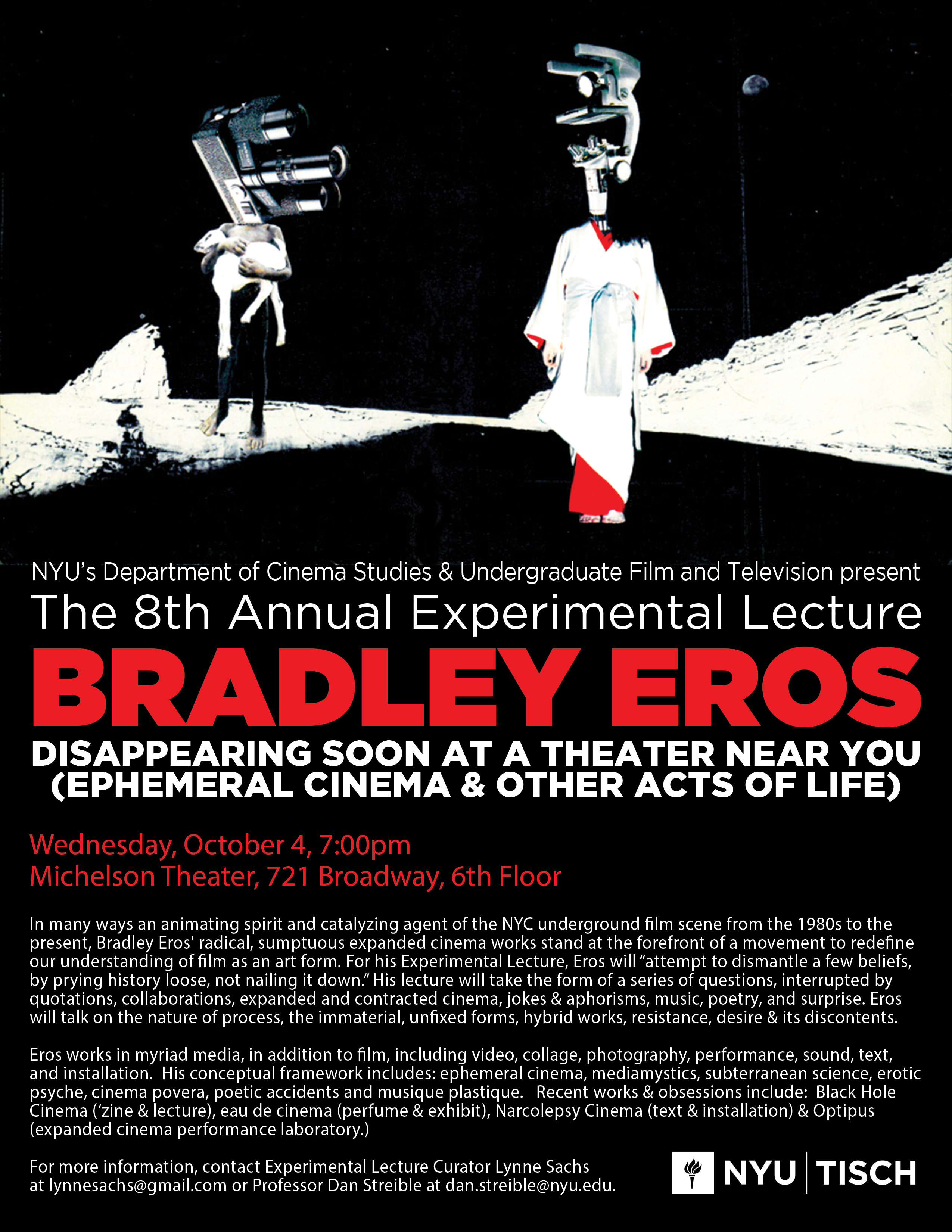
Last October, I invited Bradley Eros to give the 8th Annual Experimental Lecture at NYU. Here is his entire spectacular, collaborative, visionary performance/lecture. He called it “Disappearing soon at a theater near you (ephemeral cinema & other acts of life)”.
I’d like to say a bit about the history of the Experimental Lecture. From the beginning, I imagined this talk to be one in which someone who had immersed him or herself in the world of alternative, experimental film would reveal something about the process of making their work by visiting pieces that were either unfinished, unresolved, bewitching or even untouchable. The intention was to lay bare the challenges rather than the successes, the gnawing, ecstatic reality of the work of making art.
Barbara Hammer was our first invited guest. In 2006, she sauntered into the largest lecture hall in this building, weeks after her first round of chemo therapy, carrying an enormously heavy Pagent projector which she then proceeded to carry up and down the stairs as she projected her own 16mm films on every surface of the room in her “The Cinema of the Optic Nerve”.
Craig Baldwin tore himself away from his underground film archive, his artistic practice and his 30-year old alternative media series “Other Cinema” in San Francisco to present “The Collage Essay: From Compilation Film to Culture Jam”.
Ken Jacobs took us on an odyssey from his early romps in NYC to his most recent obsessions with the state of our world as manifested by the beings that live in the dirt and grime of it all in his “Cucaracha Cinema”.
Peggy Ahwesh suggested her own “Parler Femme” by regailing us with her own take on a hard scrabble, experimental ethnography that has taken her to places she never intended on going but somehow found herself – in bliss.
In her “Where Did I Make the Wrong Turn?”
Carolee Schneemann traveled backwards and forwards in time like a archeologist who understands that a cherry pie is more than something to eat. Beginning with obsessive childhood drawings of a staircase, she analyzed those clues from her past that pushed her toward her life’s work.
Jonas Mekas recounted the entire history of the avant-garde cinema and the fragile but so vital institutions that sustain us in NYC and beyond, like a bard unraveling the secrets of his mind and his community.
In 2016, Ernie Gehr gave his talk “What is an Unfinished Work?”, allowing us into his studio practice, revealing the moments of doubt and stubbornness that he, like all of us, need to continue making our work.
In many ways an animating spirit and catalyzing agent of the NYC underground film scene from the 1980s to the present, Bradley Eros’ radical, sumptuous expanded cinema works stand at the forefront of a movement to redefine our understanding of film as an art form. For his Experimental Lecture, Eros “dismantled a few beliefs, by prying history loose, not nailing it down.” His lecture will take the form of a series of questions, interrupted by quotations, collaborations, expanded and contracted cinema, jokes & aphorisms, music, poetry, and surprise. Eros will talk on the nature of process, the immaterial, unfixed forms, hybrid works, resistance, desire & its discontents.
Eros works in myriad media, in addition to film, including video, collage, photography, performance, sound, text, and installation. His conceptual framework includes: ephemeral cinema, mediamystics, subterranean science, erotic psyche, cinema povera, poetic accidents and musique plastique. Recent works & obsessions include: Black Hole Cinema (‘zine & lecture), eau de cinema (perfume & exhibit), Narcolepsy Cinema.
Thank you to Dan Streible, Cinema Studies at NYU, Cristina Cajulis and NYU Tisch School of the Arts.
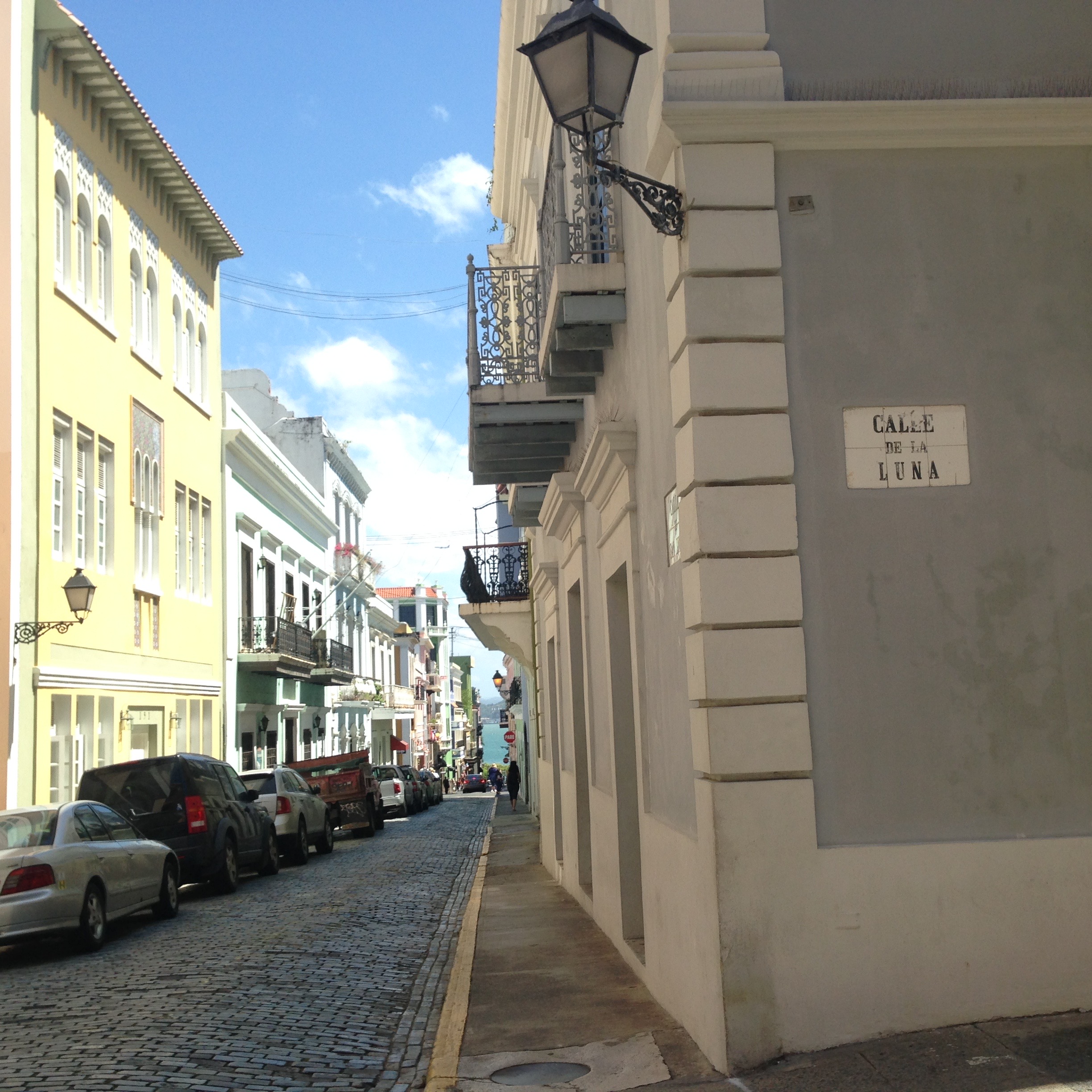
Beta-Local is an organization, a working group, and a physical space in San Juan, Puerto Rico. Beta-Local is a study and production program, an experimental education project and a platform for critical discussion and production immersed in our local reality (San Juan, the tropics, the Caribbean, the unplanned city) and our present moment (the economic crisis, the infinite potential, the skills and ideas of people who live here, now). There are some local variables such as the stagnation of local cultural institutions, the lack of an MFA program in the arts, a debilitating “brain drain”, and the prohibitive costs of higher education outside of Puerto Rico, as well as the peddling of the generic-as-international by many art schools and cultural institutions. We view these as opportunities for generating new forms. Beta-Local does not aspire to become another node in the globalized art market or academic spectrum. We are not interested in a mimetic practice.
Lynne Sachs at Beta Local
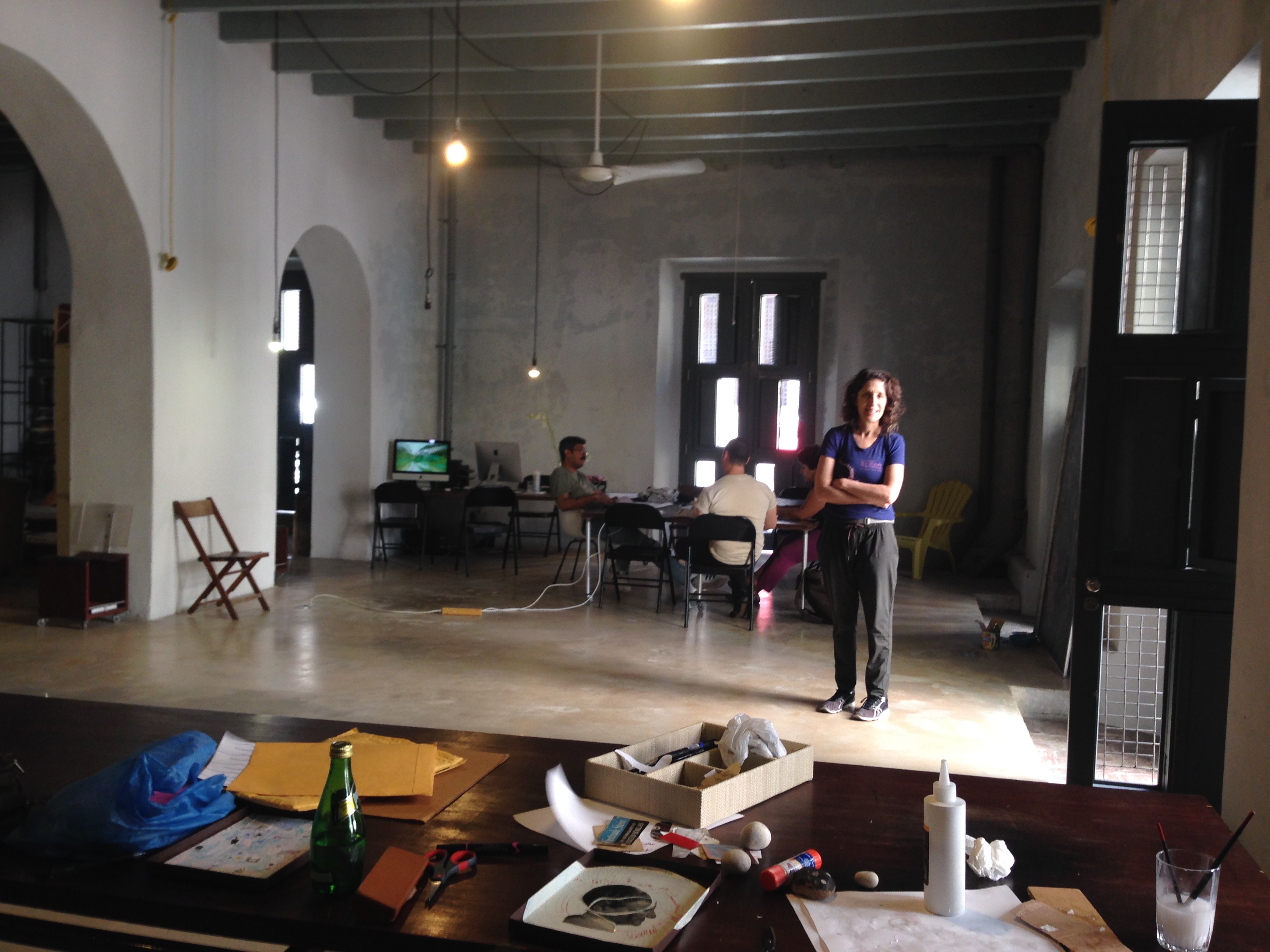
In March and April, 2017 I was invited by co-director Sofia Galisa to be an artist-in-residence in Beta’s Harbor program:
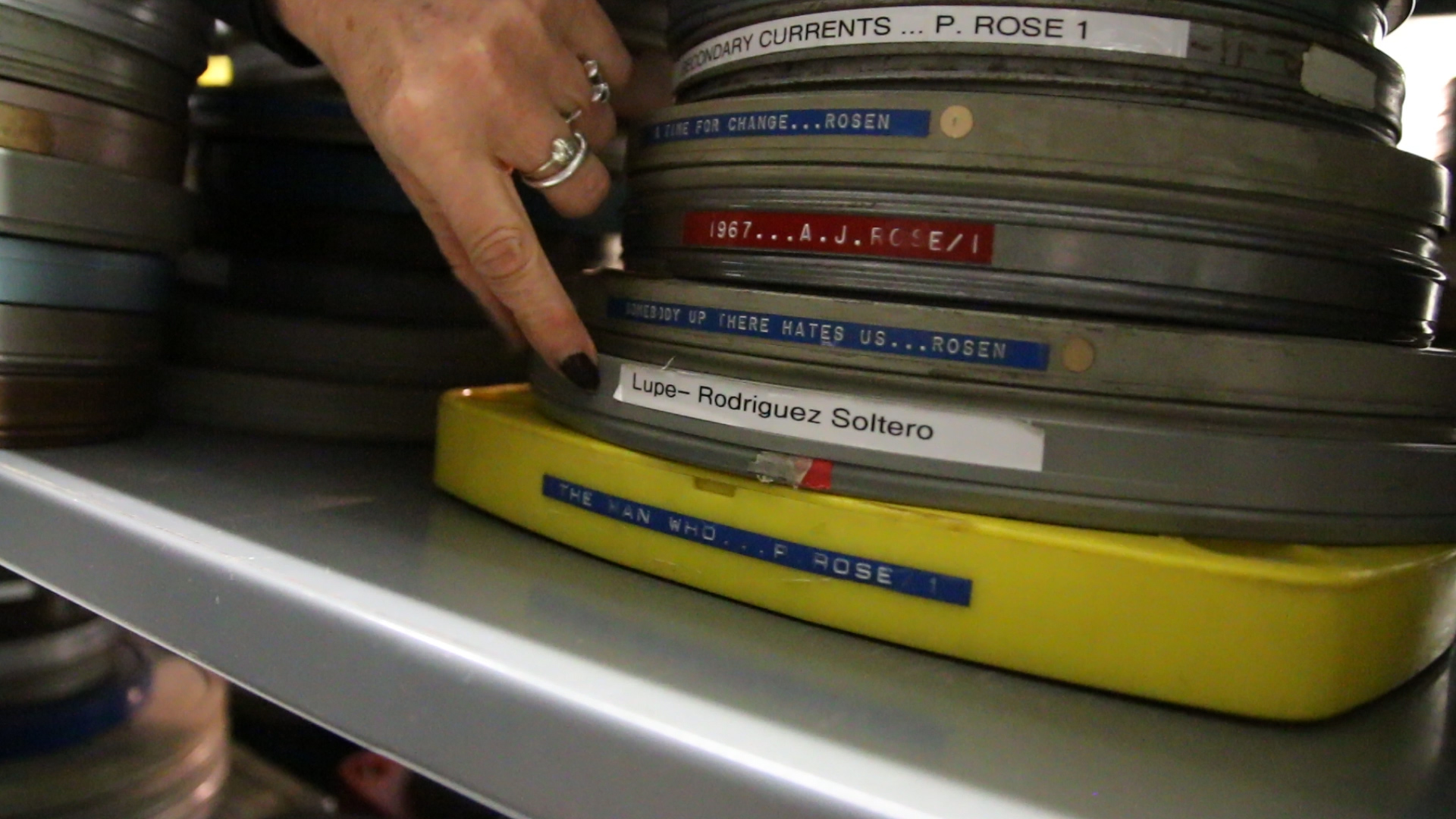
Puerto Rican filmmaker José Rodriguez Soltero (1943 – 2009) was a significant figure in the New York underground art scene during the mid-1960s and early 1970s. His films were frequently included in Filmmakers’ Cinematheque programs. He was featured in Film Culture and written up in Jonas Mekas’s Movie Journal column in the Village Voice, and was the friend and collaborator of Mario Montez, Charles Ludlam and Jack Smith.
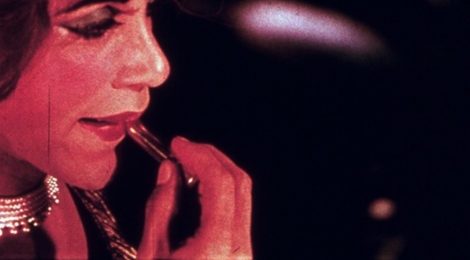
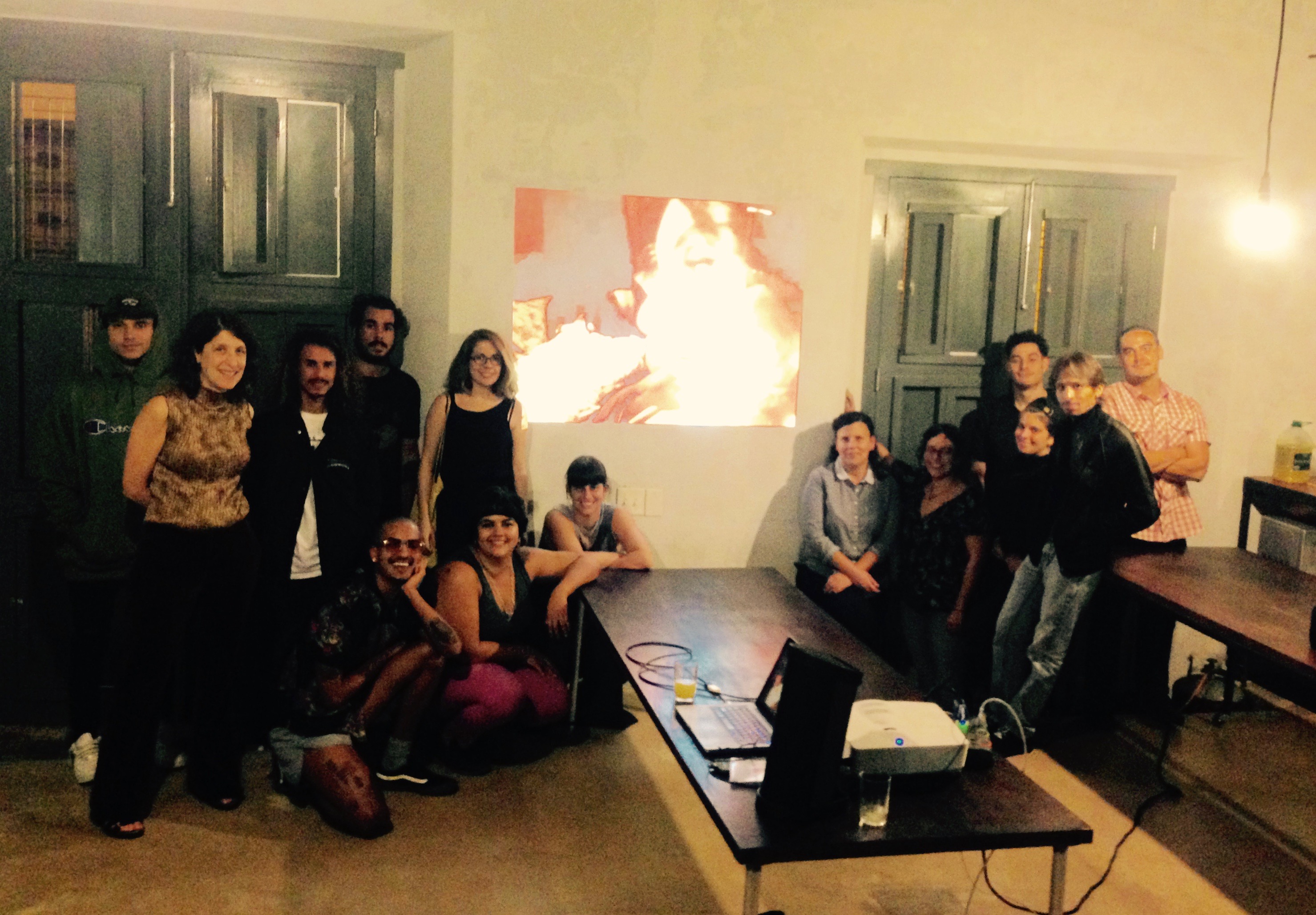
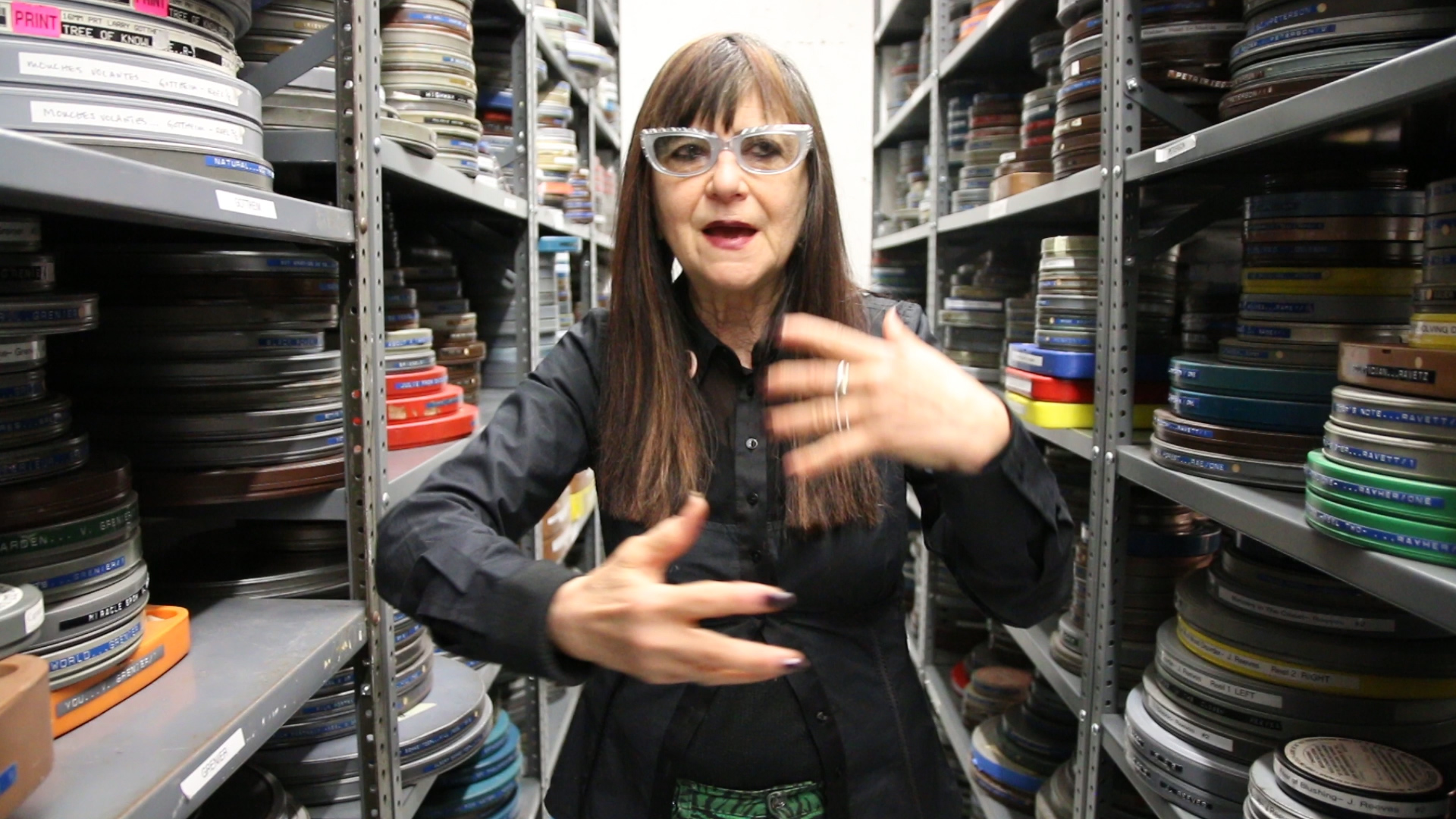
Before leaving New York, I shot this video of MM Serra, Executive Director of the Filmmakers Cooperative in New York City, discussing the 1960s Queer, count-culture, underground films of Rodriguez Soltero with friend and filmmaker Lynne Sachs. The Coop has recently preserved and digitized his films for the world to see! This interview was conducted in March, 2017 prior to Sachs’s presentation of “Lupe” at Beta Local (www.betalocal.org) in San Juan, Puerto Rico, which may be (we are not sure) the first screening of the film in its entirety in the filmmaker’s “mother” country.
Lynne Sachs Beta Local Rodriguez Solterno Screening
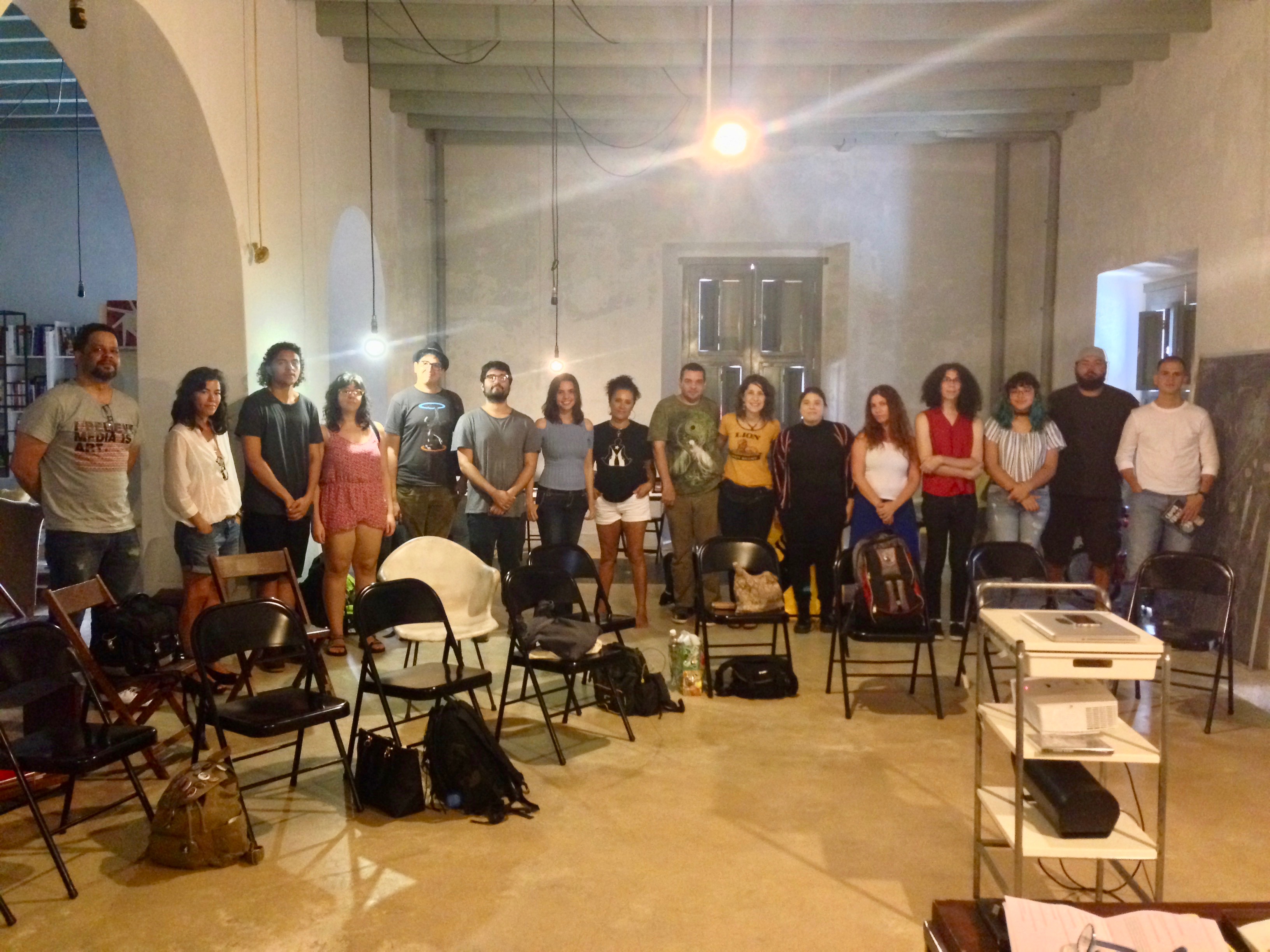
And the during my last weekend in San Juan, I taught a workshop called “Film as a Collaborative Art”:
Film as a Collaborative Art
What kinds of creative surprises can happen when artists who don’t know each other come together for a day to make a film? In this workshop, we will work together for a day as a group to create a series of single shot videos using complex mise-en-scene, unusual camera movements, and recycled or hand-made props from home. Each participant will have a chance to direct their own piece. Throughout the day, Lynne will present a series of experimental performance videos by artists such as Vito Acconci, Howardena Pindell, Eadward Muybridge, Chanal Ackerman and more. At the end of the day, we will have a show and, of course, participants are encouraged to invite their friends.
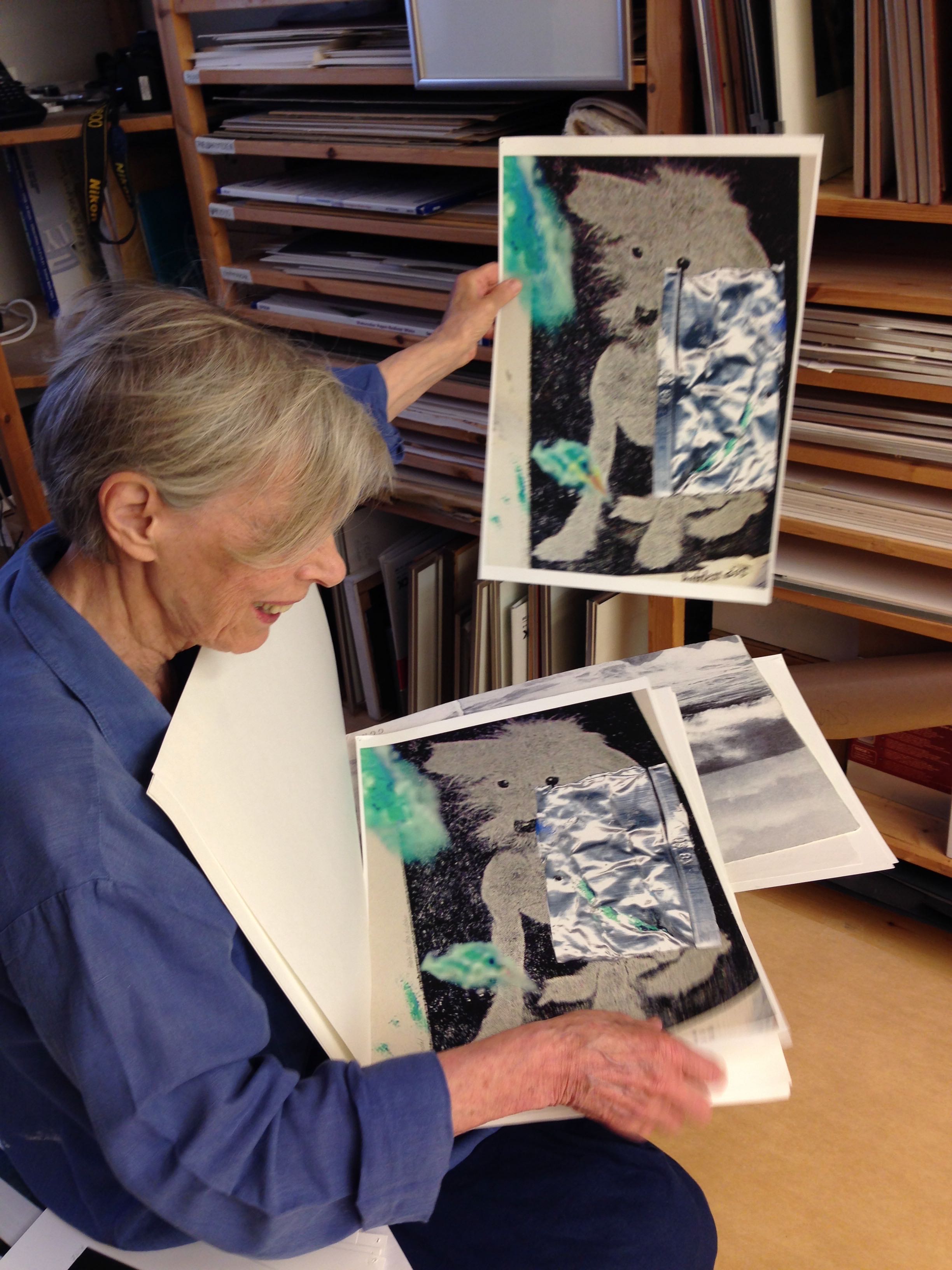
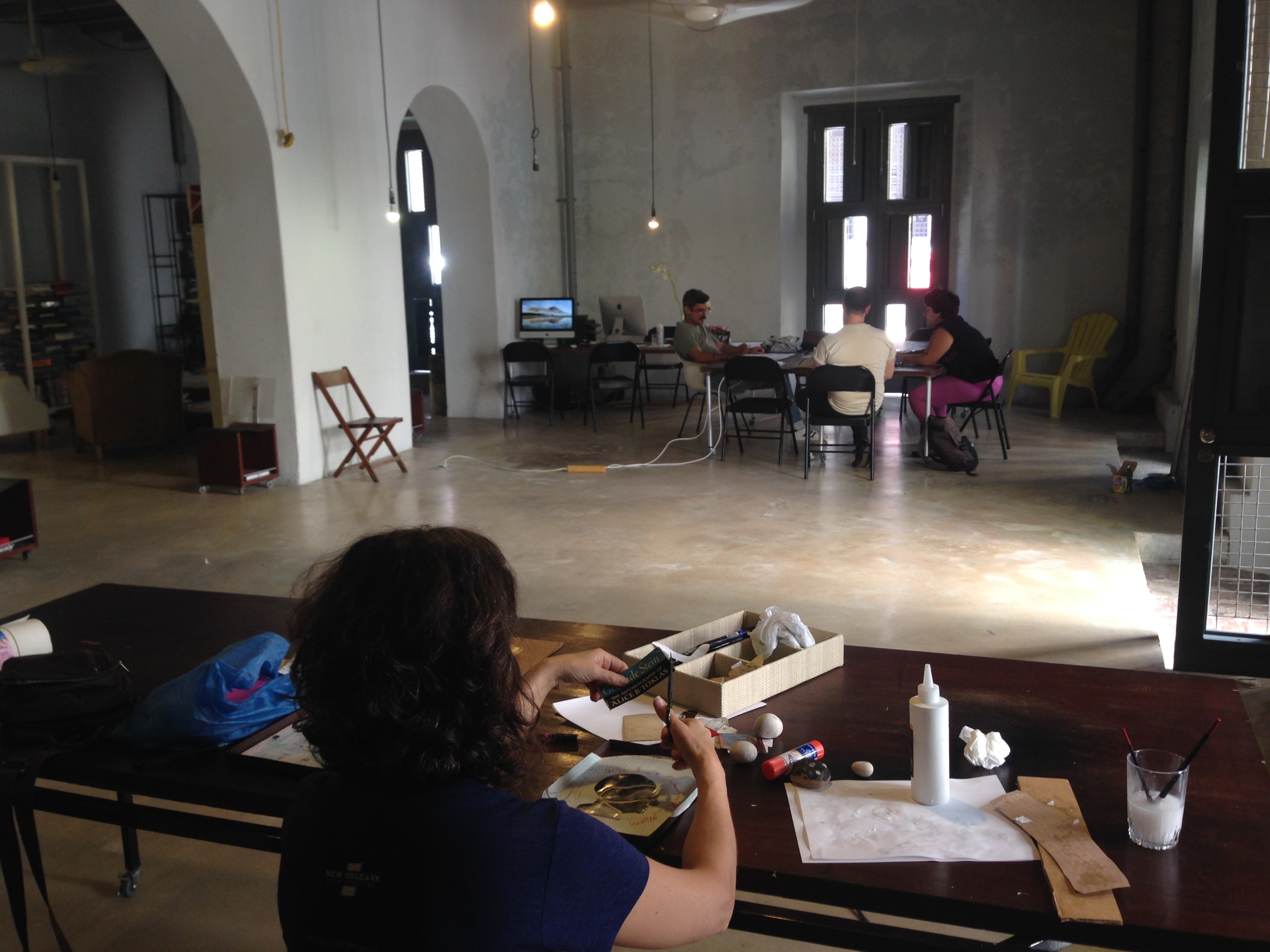
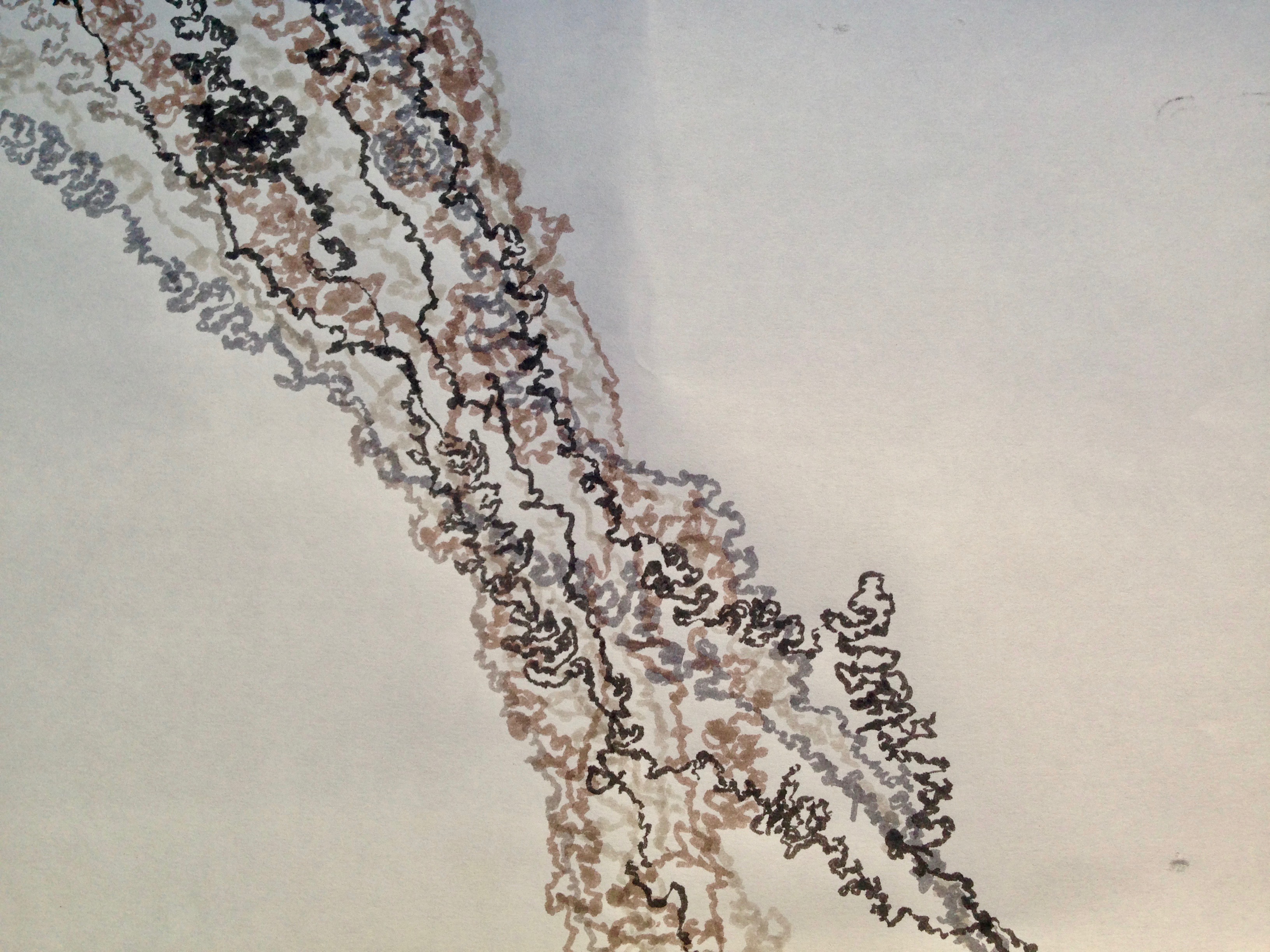
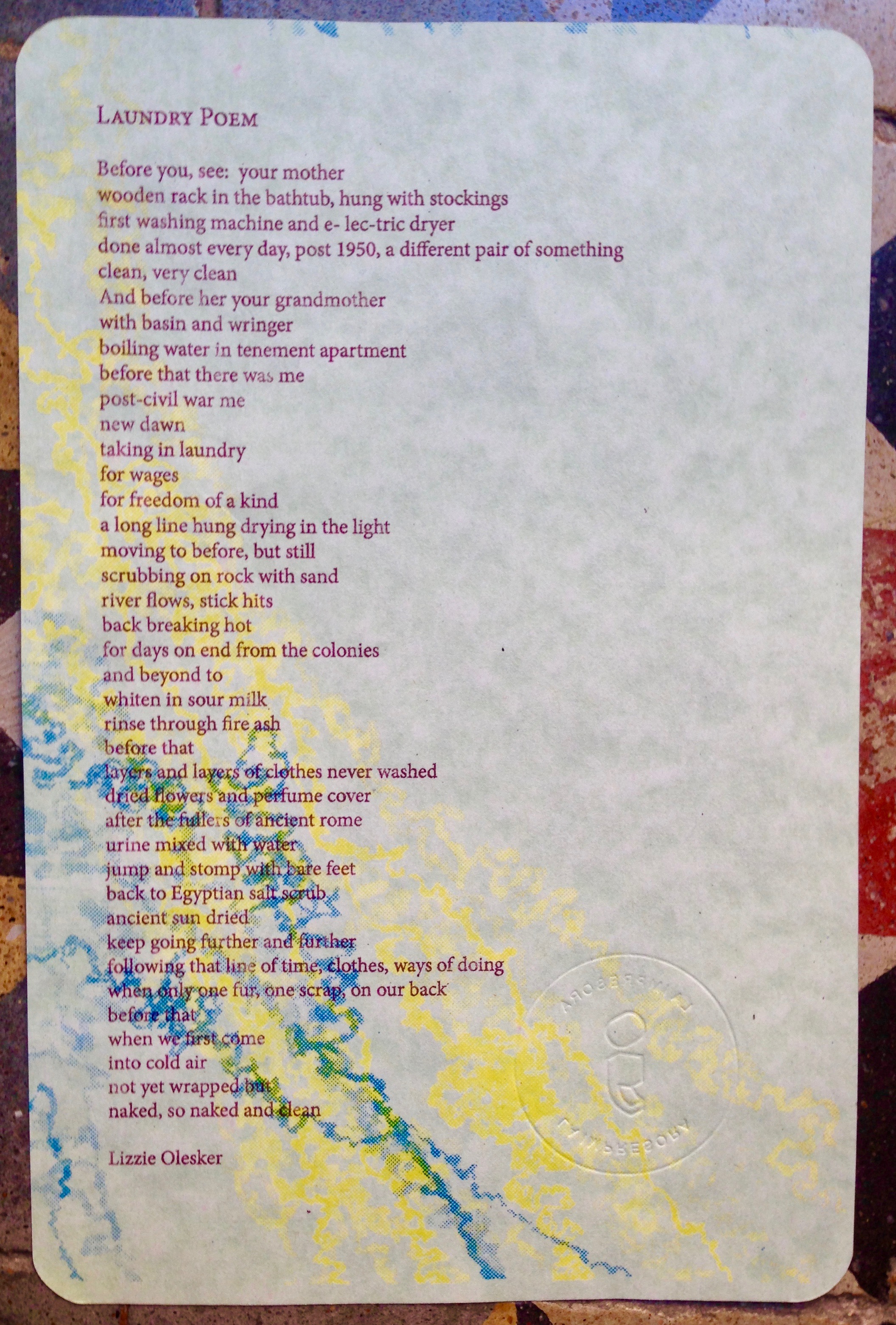
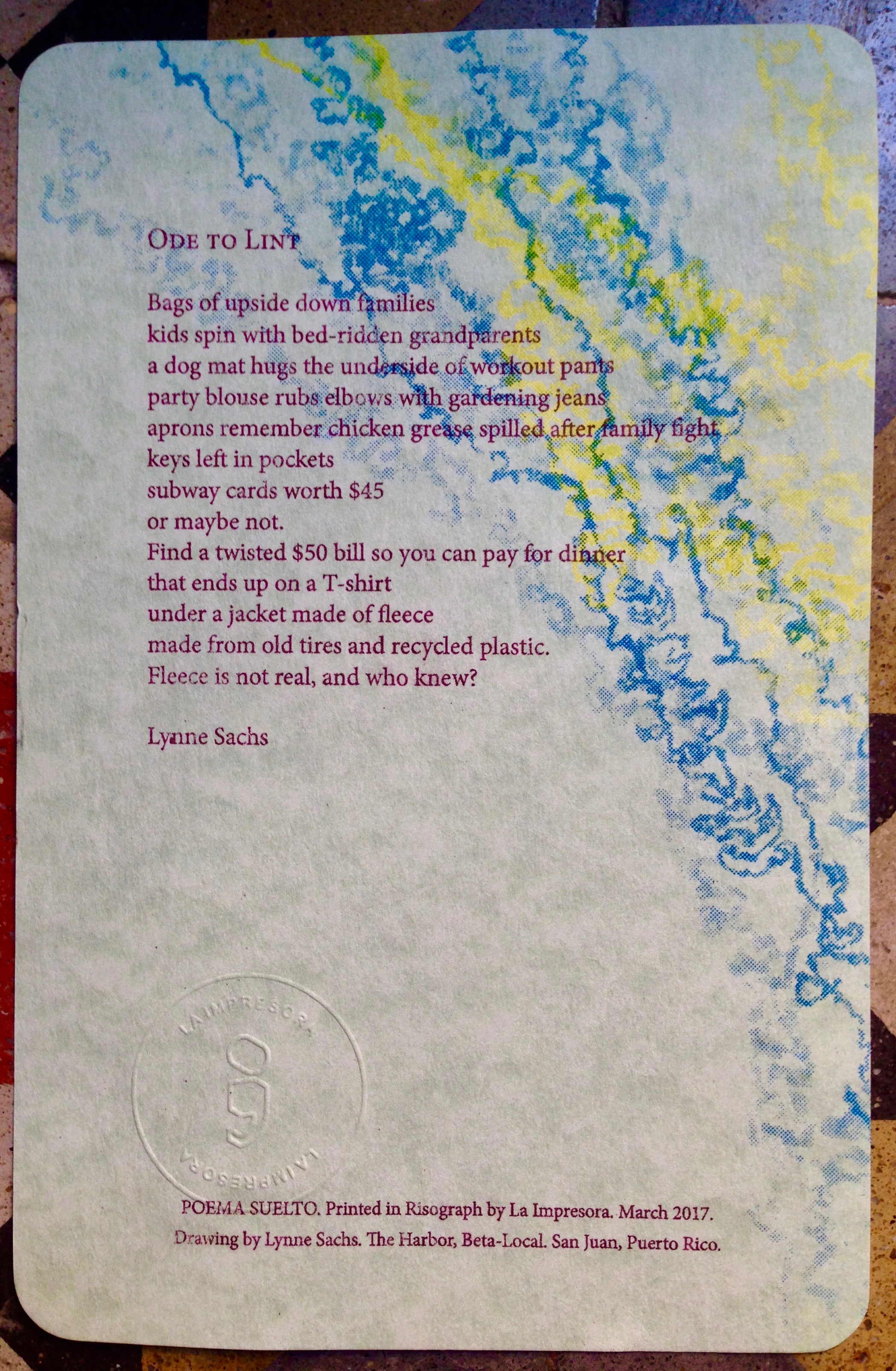
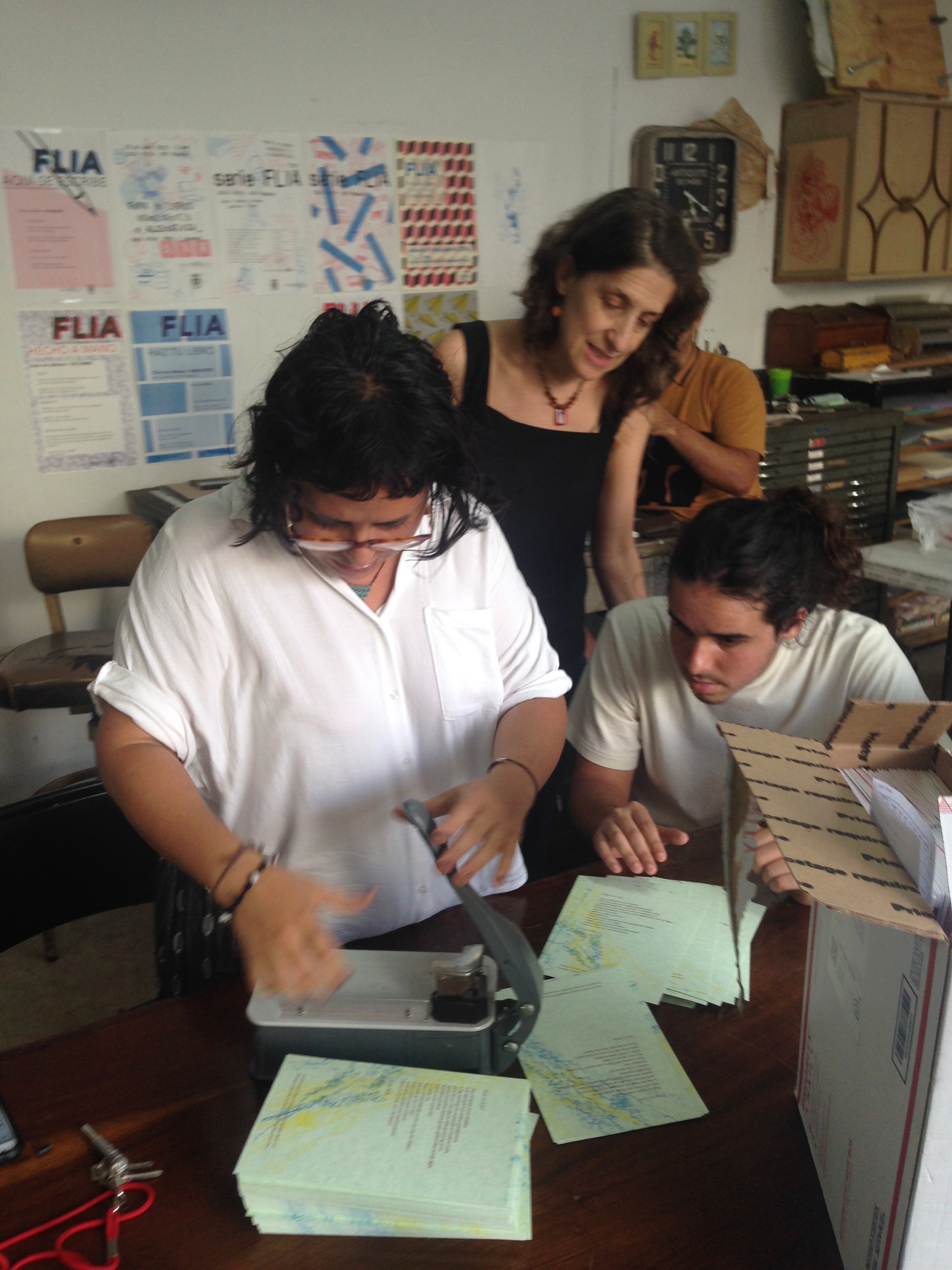
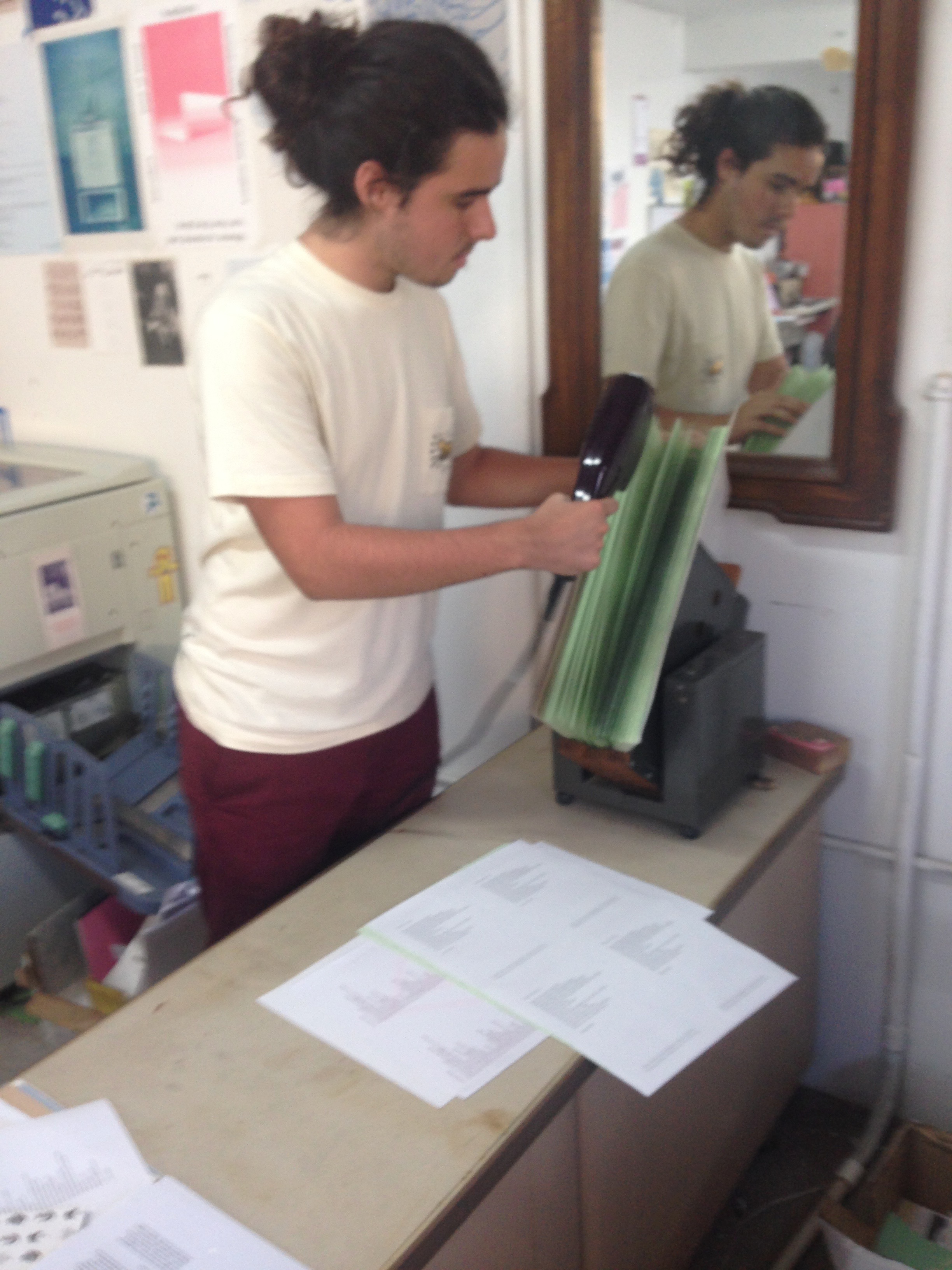
One day, while I was in San Juan, I went to the local Impresora (https://www.facebook.com/laimpresora.pr/) to make a broadside with two laundry themed poems — one by me and the other by my collaborator Lizzie Olesker and a drawing I made of lint. We used the wonderful risograph process of printing three colors with three different passes through the machine. Here are pictures of the project which produced 300 cards.
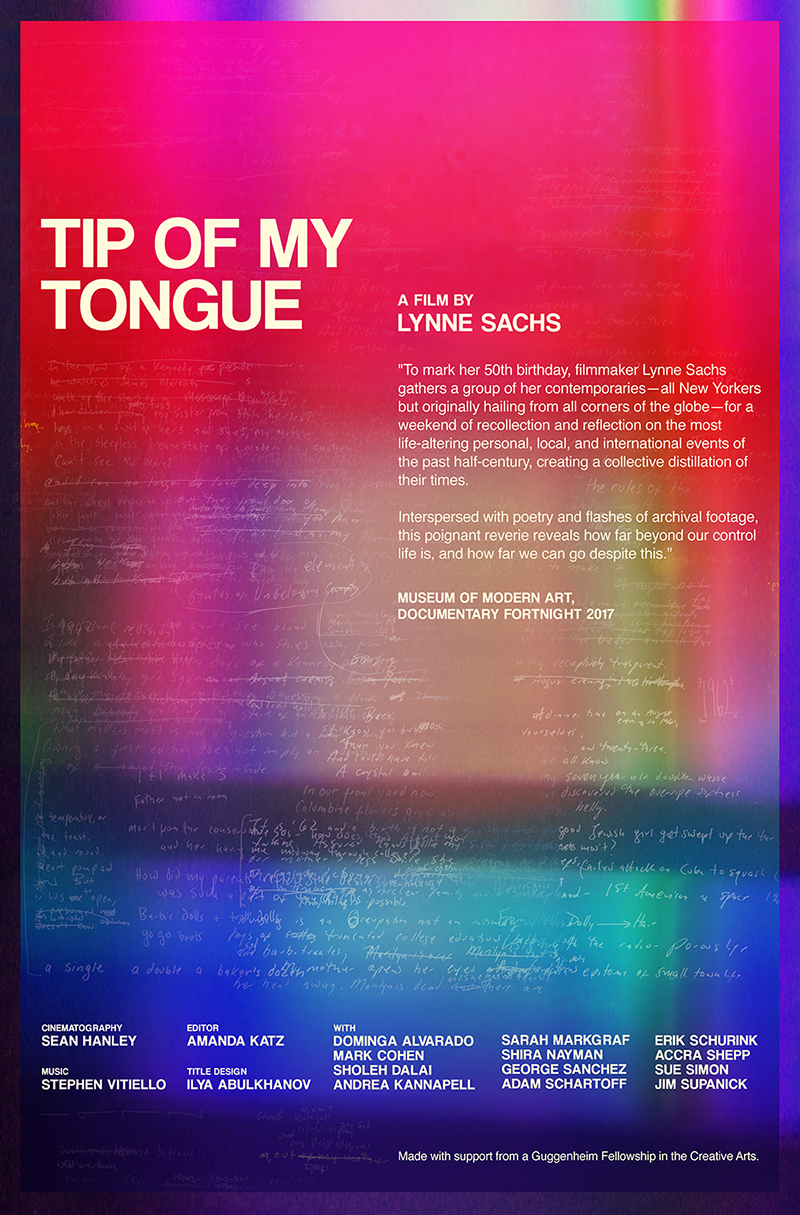
Tip of My Tongue (80 min. 2017) a film by Lynne Sachs
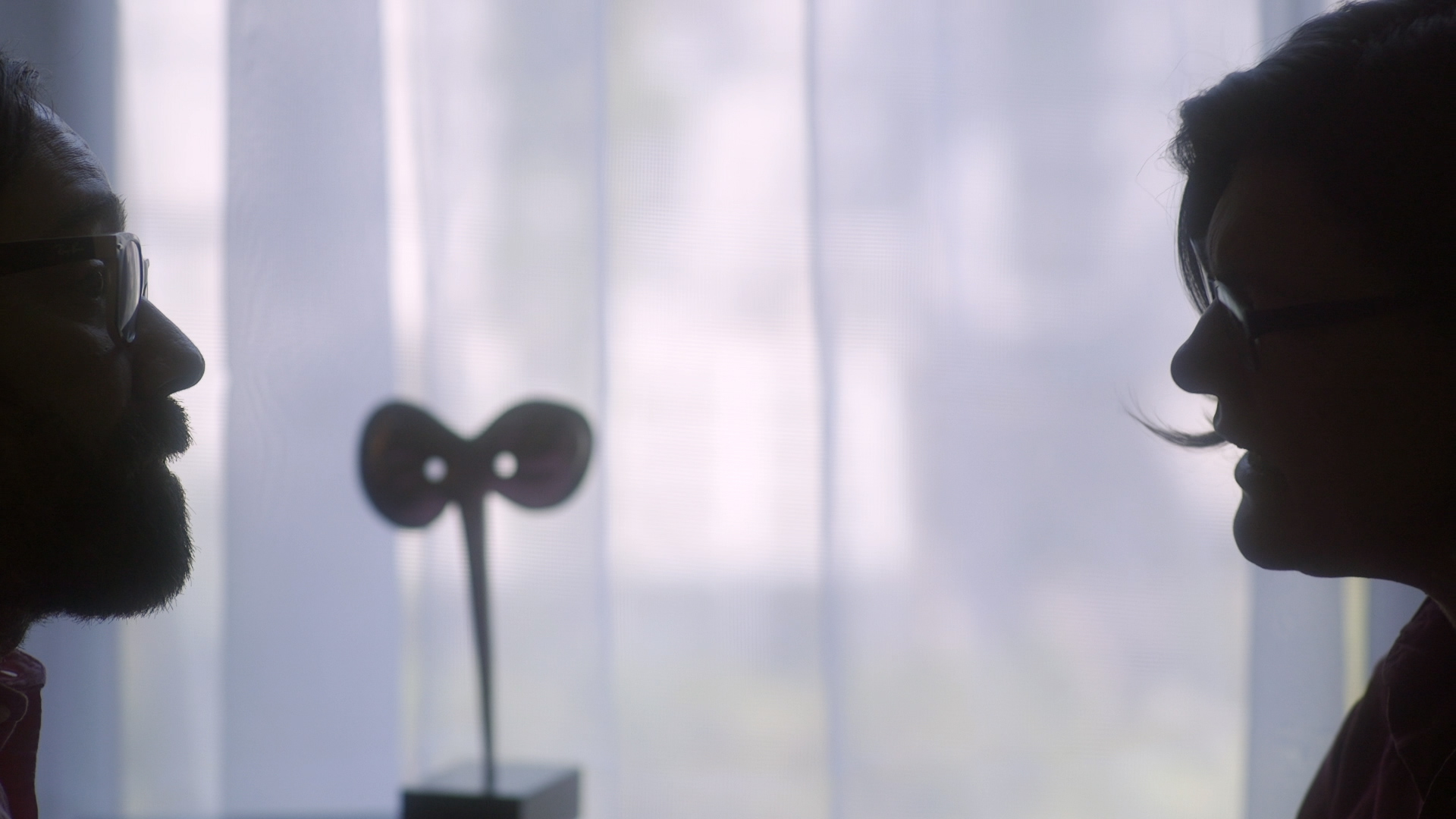
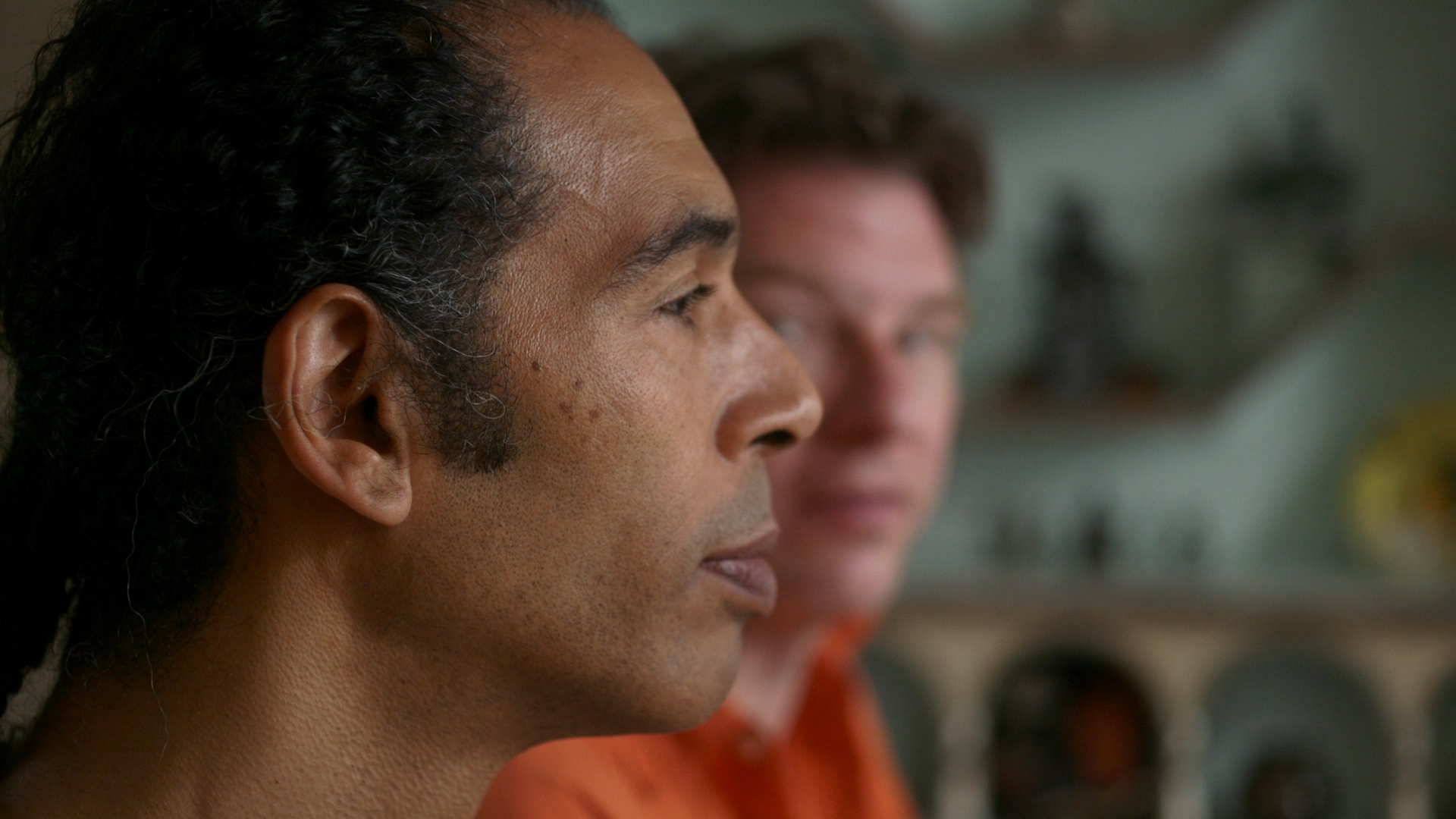
To celebrate her 50th birthday, filmmaker Lynne Sachs gathers together other people, men and women who have lived through precisely the same years but come from places like Iran or Cuba or Australia or the Lower East Side, not Memphis, Tennessee where Sachs grew up. She invites 12 fellow New Yorkers – born across several continents in the 1960s – to spend a weekend with her making a movie. Together they discuss some of the most salient, strange, and revealing moments of their lives in a brash, self-reflexive examination of the way in which uncontrollable events outside our own domestic universe impact who we are. As director and participant, Sachs, who wrote her own series of 50 poems for every year of her life, guides her collaborators across the landscape of their memories. They move from the Vietnam War protests to the Anita Hill hearings to the Columbine Shootings to Occupy Wall Street. Using the backdrop of the horizon as it meets the water in each of NYC’s five boroughs as well as abstracted archival material, TIP OF MY TONGUE becomes an activator in the resurrection of complex, sometimes paradoxical reflections. Traditional timelines are replaced by a multi-layered, cinematic architecture that both speaks to and visualizes the nature of historical expression. (Anthology Film Archives Calendar)
“The past is deconstructed. Unremembered. Reconstructed. A charmingly captivating ride through a constructed dream-party full of reflection and recollection. Lynne Sachs’ inspired use of archival footage and poetry is wonderfully complimented by Stephen Vitiello’s vibrant music and Sean Hanley’s pleasurably stimulating visual style. The personal living memory processed through poignant imagery and evocative scribblings offer a great account of (un)known global history. Stephen Vitiello’s hypnotic music in Sachs’ latest ‘Film About a Father Who’ was a match made in Cinema Paradise. The collaboration was one of the primary reasons behind my desire to watch Tip of My Tongue. The expectations were surpassed by this enchanting documentary piece.”
Sibi Sekar
Sibi Sekar was born on April 29th, 1997 in Chennai, Tamil Nadu, India. Sibi fell in love with cinema at an early age upon viewing the works of directors such as Luis Buñuel and Sergei Parajanov. His works have been screened at over thirty festivals across five continents. He recently graduated from Indian Institute of Technology, Madras with a master’s degree in Humanities and Social Sciences and is currently working on explorative films that are primarily an ascetic representation of resistance. The thematic dispositions of his films concern the symbolic depiction of being, nothingness and the transcendental space.
RECENT PRESS
“Tip of My Tongue is entrancing. As someone who was born in the mid ’90s, I am distantly removed from many of the events mentioned in the film. To hear personal accounts of the Iranian revolution or Nixon’s resignation was surreal for me, offering me a glimpse into a past I never experienced. I can only imagine the memories Tip of My Tongue would unearth for those who have lived through those same events. This film offers viewers a brilliant visual representation of what it means to remember. The metaphor one participant uses to describe the nature of political change can easily be applied to the human brain: ‘It’s like the paradigm of being part of an organism rather than part of a machine.’ It’s hardly simple, or even logical, but isn’t the complexity what makes it so interesting?” (Agnes Films, http://agnesfilms.com/reviews/review-of-tip-of-my-tongue-directed-by-lynne-sachs/)
“A mesmerizing ride through time, a dreamscape full of reflection, filled with inspired use of archival footage, poetry, beautiful cinematography and music. Raises the question of how deeply events affect us, while granting us enough room to crash into our own thoughts, or float on by, rejoicing in the company of our newfound friends.” (Screen Slate, Sonya Redi https://www.screenslate.com/features/366)
“An examination of one generation’s complex and diverse navigation between public and private experience.” (“Tip of My Tongue: Film Scratches: Public Stories, Private Memories” review in Film International) http://filmint.nu/?p=20232
“The past is unearthed, turned over and reconsidered in new and astonishing ways by three filmmakers marking their return to Doc Fortnight …. To mark her 50th birthday, filmmaker Lynne Sachs gathers a group of her contemporaries—all New Yorkers but originally hailing from all corners of the globe—for a weekend of recollection and reflection on the most life-altering personal, local, and international events of the past half-century, creating a collective distillation of their times. Interspersed with poetry and flashes of archival footage, this poignant reverie reveals how far beyond our control life is, and how far we can go despite this.” (The Museum of Modern Art)
Featuring: Dominga Alvarado, Mark Cohen, Sholeh Dalai, Andrea Kannapell, Sarah Markgraf, Shira Nayman, George Sanchez, Adam Schartoff, Erik Schurink, Accra Shepp, Sue Simon, Jim Supanick
Music – Stephen Vitiello; Camera – Sean Hanley, Ethan Mass, Lynne Sachs; Editing – Amanda Katz; Archival Research – Craig Baldwin; Sound Mix – Damian Volpe
Museum of Modern Art Documentary Fortnight Closing Night Film; Athens Film & Video Festival; Indie Memphis; Festival Encuentros del Otro Cine (EDOC), Ecuador; Currents New Media Festival, Santa Fe; Maine International Film Festival; Wexner Center for the Art; San Francisco Cinematheque; Mill Valley Film Festival; Anthology Film Archives; Three Rivers Film Festival, Pittsburgh Center for the Arts; Lightbox Theater, Philadelphia; Wellesley College; Hallwalls Center for the Arts; Union Docs Center for Documentary, Williamsburg, NY.
Supported by a Guggenheim Fellowship in the Creative Arts and a MacDowell Colony Residency
For inquiries about rentals or purchases please contact the Cinema Guild. For international bookings, please contact Kino Rebelde.
Puerto Rican filmmaker José Rodriguez Soltero (1943 – 2009) was a significant figure in the New York underground art scene during the mid-1960s and early 1970s. His films were frequently included in Filmmakers’ Cinematheque programs. He was featured in Film Culture and written up in Jonas Mekas’s Movie Journal column in the Village Voice, and was the friend and collaborator of Mario Montez, Charles Ludlam and Jack Smith.
Here MM Serra, Executive Director of the Filmmakers Cooperative in New York City, discusses the 1960s Queer, count-culture, underground films of Rodriguez Soltero with friend and filmmaker Lynne Sachs. The Coop has recently preserved and digitized his films for the world to see! This interview was conducted in March, 2017 prior to Sachs’s presentation of “Lupe” at Beta Local (www.betalocal.org) in San Juan, Puerto Rico, which may be (we are not sure) the first screening of the film in its entirety in the filmmaker’s “mother” country.
“Lupe” (1966 – 16mm, color, sound – 49:05 ) by José Rodriguez Soltero is an underground classic of the stature of Jack Smith’s “Flaming Creatures”, Kenneth Anger’s “Scorpio Rising”, George Kuchar’s “Hold Me While I’m Naked”, or Andy Warhol’s “The Chelsea Girls”. It is ostensibly a biopic of Lupe Velez inspired by Kenneth Anger’s sketch of the Mexican spitfire in Hollywood Babylon and, stylistically, by Von Sternberg’s Marlene Dietrich vehicles. Rodriguez Soltero takes some liberties with the facts and produces a color-saturated, gorgeous dime-store baroque that tells of Lupe’s rise from whoredom to stardom, her fall into fractured romance and suicide, and her ascension into the spirit world. It is consistently inventive and surprising, and wrapped in a dense soundtrack that combines, Elvis, Cuban boleros, Spanish flamenco, The Supremes, and Vivaldi. It features some of the main players of the Ridiculous Theatrical Playhouse (Charles Ludlam plays a keen lesbian seducer and Lola Pashalinsky, Lupe’s maid). Mario Montez never looked better; no wonder this was his favorite film. Whether they know it or not, Pedro Almodovar, Vivienne Dick, and Bruce LaBruce have a godfather in José Rodriguez Soltero.(Juan Suarez )
For more information on the films of Jose Rodriguez Soltero, contact the NY Filmmakers Cooperative at 212 267 5665 or http://film-makerscoop.com/.
Many thanks to the National Film Preservation Foundation.
And Then We Marched 3 1/2 min. (digital from Super 8 and 16 mm film) by Lynne Sachs
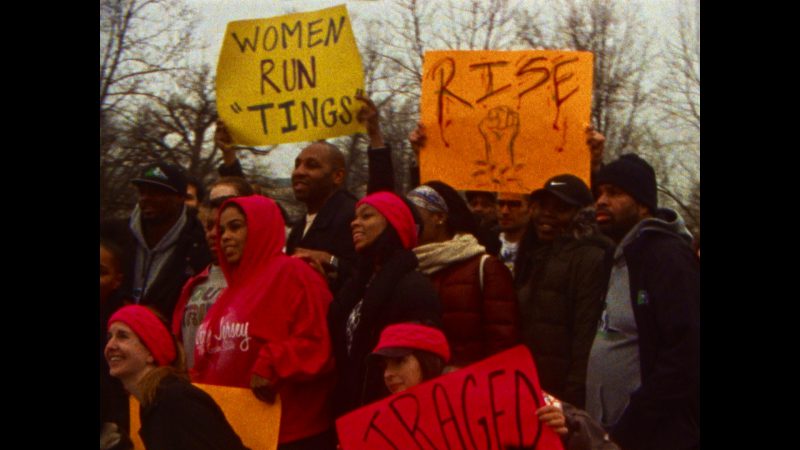
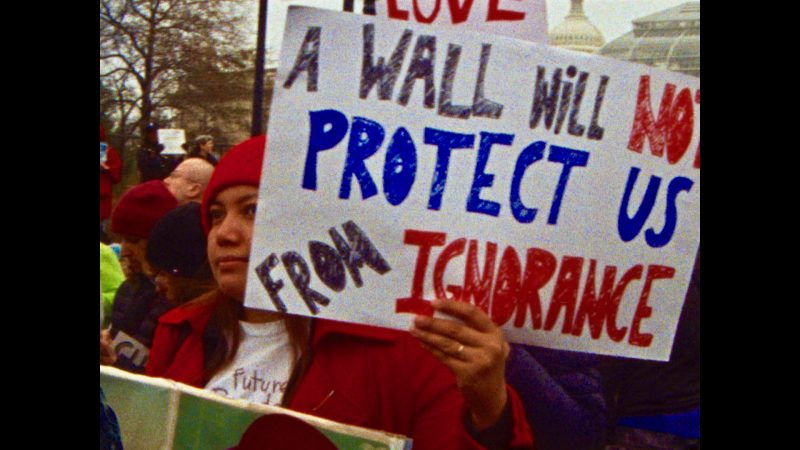
“One day after the presidential inauguration in January 2017, the Womenʼs March took place in Washington D.C. Footage from the demonstration, shot with Super8 camera, is combined with archival footage of the protest marches from various moments in the US history. A visual whirl of the protesters᾽ faces and banners is accompanied by a childʼs voice which is trying to express as accurately as possible what it means to fight for oneʼs own rights.” — Ji.hlava International Documentary Festival
Filmmaker Lynne Sachs shoots Super 8mm film of the first Women’s March in 2017 in Washington, D.C. and intercuts this recent footage with archival material of early 20th Century Suffragists marching for the right to vote, 1960s antiwar activists and 1970s advocates for the Equal Rights Amendment. Sachs then talks about the experience of marching with her seven-year old neighbor who offers disarmingly insightful observations on the meaning of their shared actions. With commentary by Sophie D. and editing by Amanda Katz.
Screenings: Other Cinema, San Francisco; Workers Unite Film Festival; KOSMA Gwangju International organized by the Korean Society of Media & Arts; Microscope Gallery, NYC; Metrograph Theater, NYC; Rotterdam International Film Festival 2021; Ji.hlava International Documentary Festival, Czech Republic 2022.