Category Archives: synopsis

Your Day is My Night

Trailer for “Your Day is My Night” by Lynne Sachs

This film is currently only available with a password. Please write to info@lynnesachs.com to request access.


Dir. Lynne Sachs
64  min., HD, Color, Stereo & 5.1 Surround, 2013
Chinese, English & Spanish with English Subtitles

This complete film is currently only available with a password. Please write to info@lynnesachs.com to request access. Currently streaming on MUBI at: https://mubi.com/films/your-day-is-my-night

Go to Your Day is My Night website here

Purchase DVD for an institution here  Cinema Guild

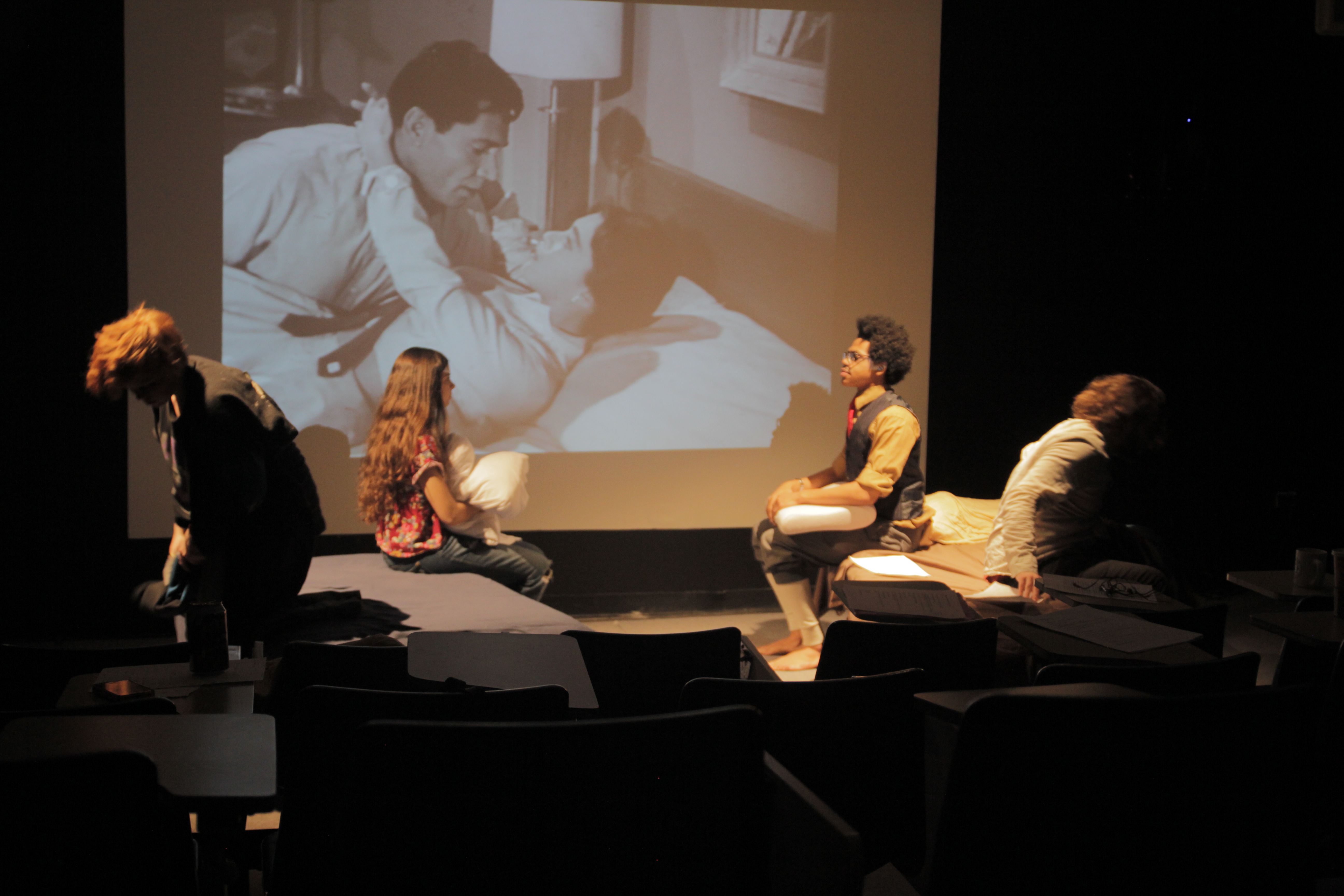
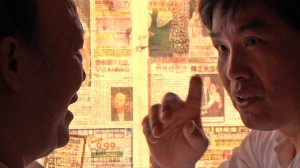
While living in a “shift-bed” apartment in the heart of New York City’s Chinatown, a household of immigrants share their stories of personal and political upheaval.

Synopsis:

Since the early days of New York’s Lower East Side tenement houses, working class people have shared beds, making such spaces a fundamental part of immigrant life. Initially documented in Jacob Riis’ now controversial late 19th Century photography, a “shift-bed” is an actual bed that is shared by people who are neither in the same family nor in a relationship. Simply put, it’s an economic necessity brought on by the challenges of urban existence. Such a bed can become a remarkable catalyst for storytelling as absolute strangers become de facto confidants.

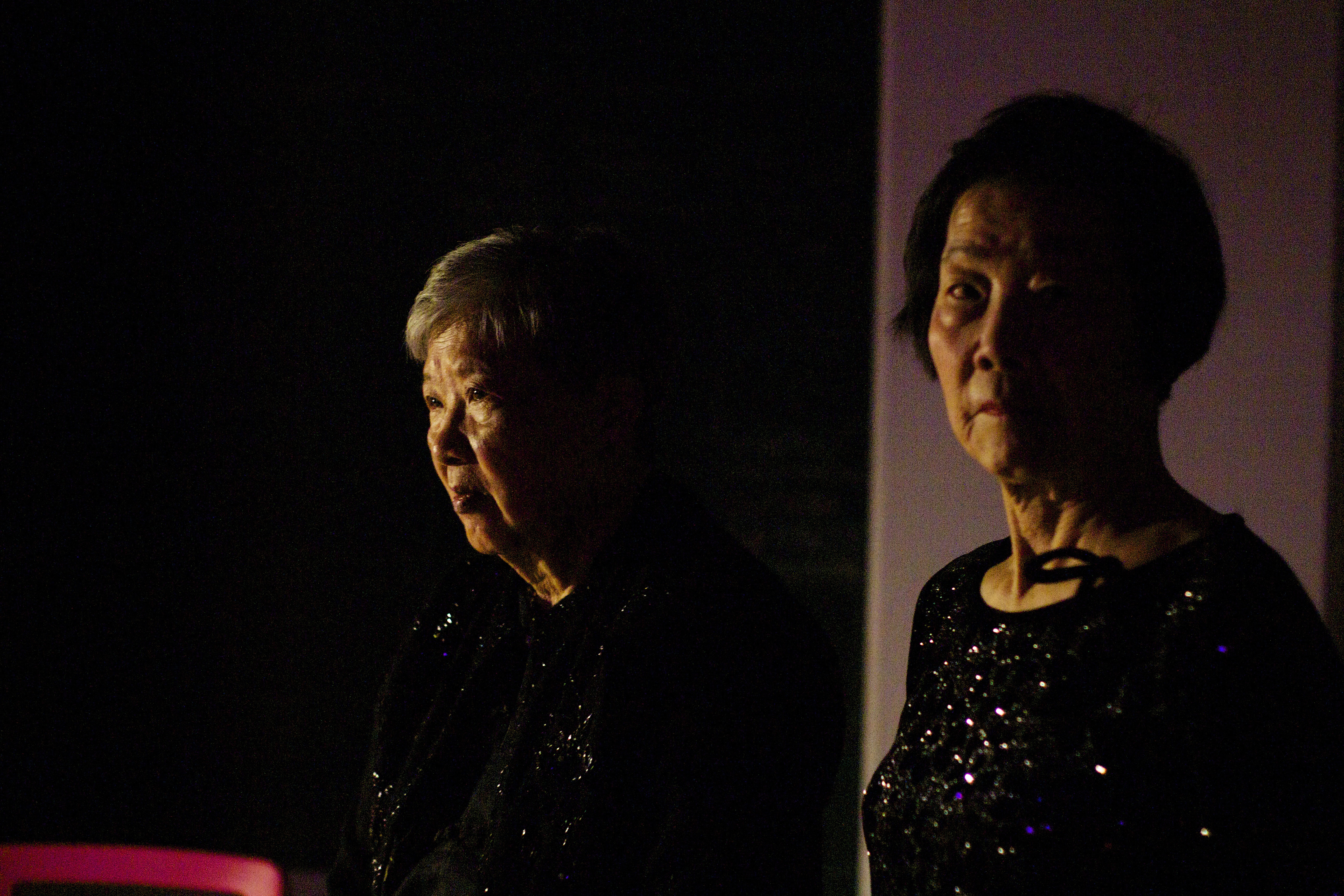
In this provocative, hybrid documentary, the audience joins a present-day household of immigrants living together in a shift-bed apartment in the heart of Chinatown. Seven characters (ages 58-78) play themselves through autobiographical monologues, verité conversations, and theatrical movement pieces. Retired seamstresses Ellen Ho and Sheut Hing Lee recount growing up in China during the turmoil of the 1950s when their families faced violence and separation under Chairman Mao’s revolutionary, yet authoritarian regime.  Yun Xiu Huang, a nightclub owner from Fujian Province, reveals his journey to the United States through the complicated economy of the “snakehead” system, facing an uphill battle as he starts over in a new city.

With each “performance” of their present, the characters illuminate both the joys and tragedies of their past.  As the bed transforms into a stage, the film reveals the collective history of Chinese immigrants in the United States, a story not often documented.  Further, the intimate cinematography and immersive sound design carry us into the dreams and memories of the performers, bringing the audience into a community often considered closed off to non-Chinese speakers.  Through it all, “Your Day is My Night” addresses issues of privacy, intimacy, and urban life in relationship to this familiar item of household furniture.


Press:

“Each person’s tale is brief but impactful, intercut with graceful set pieces and grainy footage that allows time to visualize, absorb and contemplate. Your Day is My Night is a cultural window with many dimensions, building empathy with viewers in this politically charged environment.” – Fatima Sheriff, One Room with a View

“A strikingly handsome, meditative work: a mixture of reportage, dreams, memories and playacting, which immerses you in an entire world that you might unknowingly pass on the corner of Hester Street, unable to guess what’s behind the fifth-floor windows.” –The Nation

“Beautifully blending anecdotes, evocative audio textures, and an ensemble of elderly immigrant performers/participants, Your Day is My Night is sumptuous and exploratory, bringing us a Chinatown we have never seen before in film.” – San Diego Asian Film Festival

“Using beds as a metaphor for privacy, intimacy and power, the film explores intercultural and trans-historical dialogue.” – The Washington Post

“Director Lynne Sachs’ Your Day is My Night shines a light on a little documented sub-culture in New York’s Chinatown, chronicling immigrants who live communally in buildings where there’s a shift-bed system. One person returns from a stint of overnight work to sleep in a bed just vacated by another person off to their day job. The form of this documentary is as compelling as its content. It is a beautiful collage of different media and music intricately edited together with the often emotional testimony of the immigrants.” – BBC

“New York’s Chinatown, a place as much spectral as real, flickers and flares into life in this singular hybrid of documentary, performance piece and cine-monologue. Seven working-class, immigrant residents of a shift-bed apartment play versions of themselves, recalling violent upheavals, long journeys and endless yearnings.” – Sight and Sound

“This is no ordinary documentary. This is film, a canvas, a moving poem. It never stands still. It moves and it moves us.” – Kennebec Journal/ Morning Star (centralmaine.com)

Director’s Statement:

“I’ve spent most of my life as an artist thinking about how to convey my observations of the world around me in the visual and aural language of film. I experiment with my perception of reality by embracing an associative, non-literal approach to images, and it is through this artistic exploration that I grapple with the natural, social, cultural and political phenomena that I witness through the lens of my camera. I began the Your Day is My Night project in late 2009 when I was talking with a relative on his 90th birthday.  A Brooklyn resident for his entire life, Uncle Bob has haunting memories of December 16, 1960 when a jet crashed near his Brooklyn home. Trying to imagine the devastation in this busy neighborhood, I asked him how many people on the ground had died.  ‘It was hard to know because there were so many hot bed houses in that area.  They all burned and no one knew precisely who lived there.’  What are hot bed houses? I asked him.  ‘Those are homes for poor people who work and can’t afford to rent their own apartments.  They share beds in shifts.’ I reconstructed the moment of the crash, creating a mental image of the inhabitants of these apartments as they tried to gather their few personal possessions and escape the fire. Which unlucky person would awake from a deep sleep after a long shift at the port to the sound of the crash and the heat of the fire?    After that conversation, I discovered that 19th Century photographer Jacob Riis documented numerous examples of these beds, and it is through his lens that I was able to begin my research.   In Riis’ How the Other Half Lives, he exposed to the rest of America the poor, immigrant experience he witnessed in downtown New York City.  I later read The Snakehead: An Epic Tale of the Chinatown Underworld and the American Dream by Patrick Radden Keefe to give me a more current sense of the situation in current day Chinatown.

I think of the bed as an extension of the earth.  For most of us, we sleep on the same mattress every night; our beds take on the shape of our bodies, like a fossil where we leave our mark for posterity. During the Revolutionary War, George Washington slept in many borrowed beds and now, hundreds of years later, his brief presence is celebrated from one New England town to the next: ‘George Washington Slept Here’ has a kind of strange signification and prestige. But for transients, people who use hotels, and the homeless a bed is no more than a borrowed place to sleep. An animal that borrows its home from another species is called an inquiline, and in Spanish inquilina is the word for a renter.  Conceptual artist and sculptor Félix González-Torres photographed a series of empty, unmade beds to commemorate the life and death of his partner, as if the very sheets that remained could remind him and us of the body and the man he had loved.

Since January of 2011, I have been writing, researching, and shooting material for my ‘bed project’ in the Chinatown neighborhood of New York City. I found a group of non-professional Chinese performer/participants (ages 58 – 78) and have worked almost weekly with them ever since. During our workshops, they each exchanged their own stories around domestic life, immigration and personal-political upheaval.  None of these people has ever worked in this cross-cultural way, so it is these taped process-oriented conversations that, in the final film, enhance our audience’s sense of the bed – experienced and imagined from profoundly different viewpoints. Next, a written script emerged from our months of shooting documentary images and interviews. Using the interactive model of Augusto Boal’s “Theatre of the Oppressed”, I guided my collective in a “simultaneous dramaturgy”. My performers, crew and, more recently, our live audience, explored the potential for transformation that can come from a dialogue around personal histories and the imagination.

The material I collected during these interviews is the basis for the monologues in Your Day is My Night. In production, I guided my performers through visual scenarios that reveal a bed as a stage on which people manifest who they are at home and who they are in the world. Our shooting took place in two different actual shift-bed apartments located in NYC’s Chinatown. The Chinese participants (several of whom currently live or have actually slept on shift-beds) spoke of family ruptures during the Chinese Cultural Revolution, a mattress excavated from a garbage heap, four men on one bed in Chinatown, amongst a long series of fascinating and haunting bed-related topics.

For inquiries about rentals or purchases please contact the Cinema Guild. For international bookings, please contact Kino Rebelde

“Your Day is My Night” has been exhibited as a live performance at St. Nicks Alliance in Greenpoint, Brooklyn, New York Public Library in Chinatown, Proteus Gowanus Interdisciplinary Arts Gallery in Brooklyn and University Settlement in Manhattan.” – LS

Cast: Che Chang-Qing, Yi Chun Cao, Yueh Hwa Chan  (Linda), Kam Yin Tsui, Yun Xiu Huang, Ellen Ho, Sheut Hing Lee, Veraalba Santa Torres,

Crew: Lynne Sachs (director); Sean Hanley (camera, co-produing and editing); Rojo Robles (co-writer); Catherine Ng and Jenifer Lee (translations); Ethan Mass (camera); Stephen Vitiello (music); Damian Volpe (sound mix) Amanda Katz and Jeff Sisson (sound); Bryan Chang (additional editing and translations); Madeline Youngberg (production assistance)

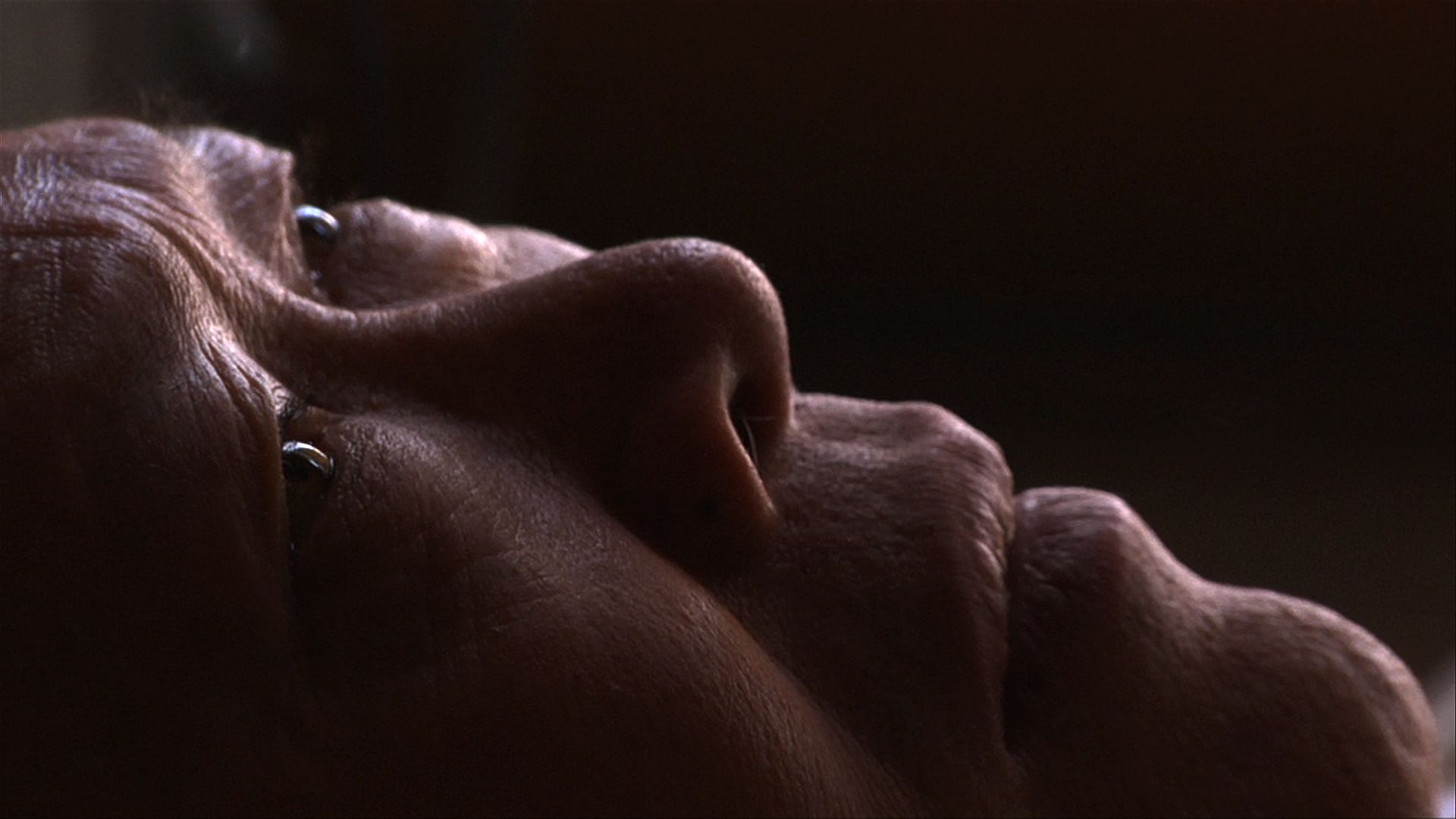
Kam Yin Tsui  in Your Day is My Night
Kam Yin Tsui in Your Day is My Night
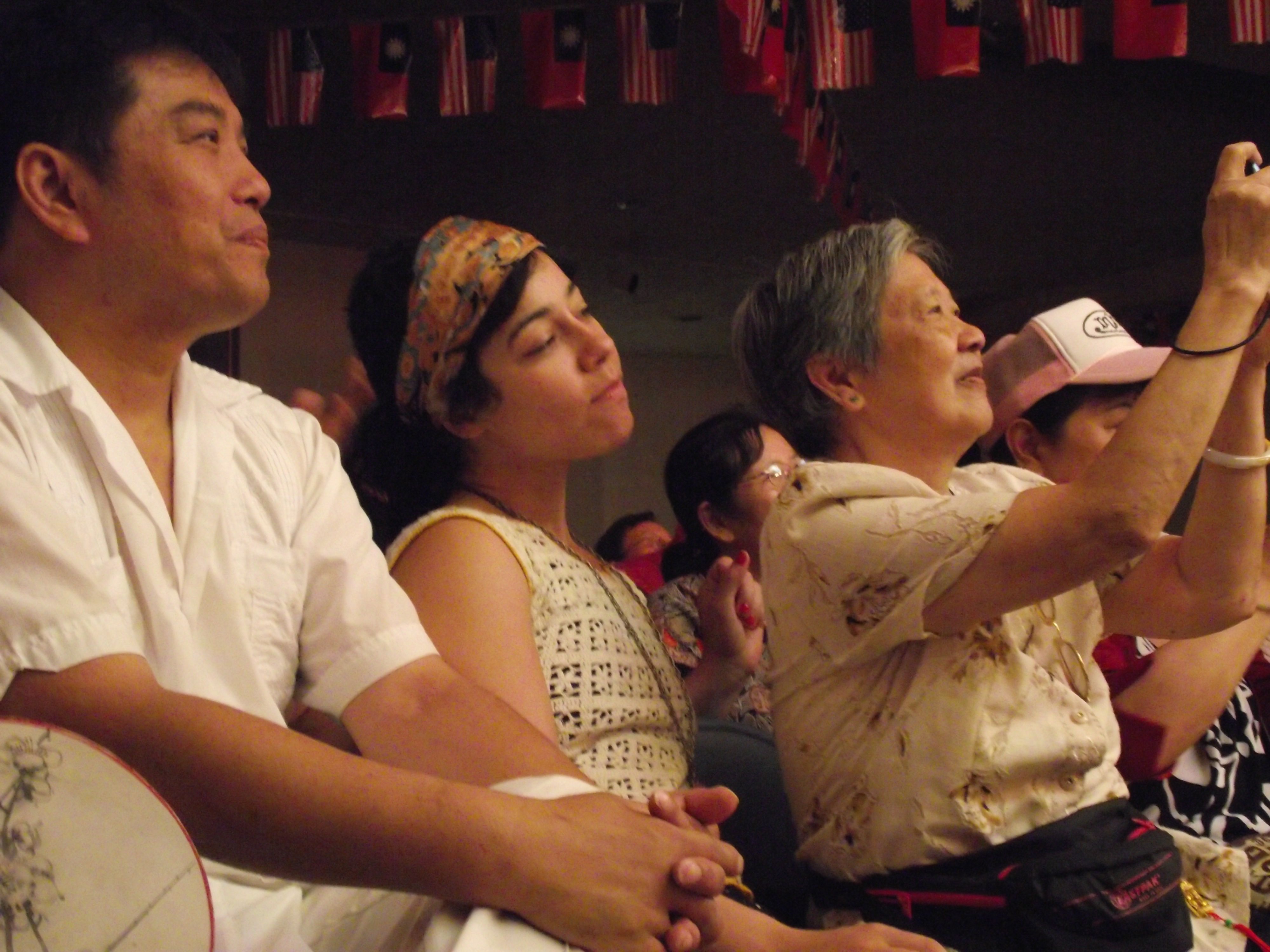
Your Day is My Night Cast and Crew
Yun Xiu Huang , Veraalba Santa and Sheut Hing Lee
Kam Yin Tsui and Yun Xiu Huang sing Happy Birthday

Link to Youtube video of cast Q & A Asian Pacific Institute at NYU:
https://www.youtube.com/watch?v=a-2Pgol6gck

“I think of the bed as an extension of the earth,” says experimental documentary filmmaker Lynne Sachs. In YOUR DAY IS MY NIGHT, a moving hybrid documentary/performance piece, the bed becomes stage as immigrant residents of a shift-bed apartment in the heart of Manhattan’s Chinatown are both performers and participants, storytellers and actors. Sharing their experiences as migrants and city dwellers, they reveal the intimacies and complexities of urban living. Filmmaker Lynne Sachs and performers Yi Chun Cao, Linda Y.H. Chan, Chung Qing Che, Ellen Ho, Yun Xiu Huang, and Sheut Hing Lee joined A/P/A Institute at NYU on Thursday, October 2, 2013 for a screening of the film and a conversation moderated by Karen Shimakawa (Chair of Performance Studies at NYU, Tisch School of the Arts). Lesley (Yiping) Qin served as translator.

Selected Screenings:

World Premiere:  Museum of Modern Art, Documentary Fortnight 2013 (Feb. 24 & 25, 2013)
Senior Planet Exploration Center New York City (April 12, 2013)
Ann Arbor Film Festival (March 23, 2013)
Athens Film Festival, Athens, Ohio Opening Night  April 18, 2013)
Workers Unite Film Festival, Cinema Village Theater, New York City (May 10, 2013)
Brecht Forum, New York City  (May 17, 2013)
Union Docs. Brooklyn, New York City (June 8, 2013)
Images Film and Video Festival, Toronto  (April 19, 2013)
Kingsborough College, Brooklyn, New York (May 6, 2013)
Maysles Cinema, Fiction-Non Series, NYC, (Sept. 25 & 26, 2013)
BorDocs Tijuana Forum Documental, Mexico, Sept., 2013
University of California, Santa Cruz, Nov. 18 and 19, 2013
Pacific Film Archive, Berkeley, California, Nov. 20, 2013.
Vancouver Film Festival, 2013
Micheal Moore’s Traverse City Film Festival, Michigan, Best Experimental Film, 2013
New Orleans Film Festival, 2013
San Diego Asian American Film Festival,  Best Feature Documentary2013.
Center for History, Media & Culture/ Asian Studies, New York University, 2013
Roy & Edna Disney/ CalArtst Theatre (REDCAT), Los Angeles, 2014.

Your Day is My Night: Live Film Performance

“Your Day is My Night:  Live Film Performance”
dir. Lynne Sachs

SEE TRAILER FOR OUR LIVE PERFORMANCE HERE:

FULL LIVE PERFORMANCE HERE:

Presented as a Live Performance in 2012 at these venues throughout New York City:

Art@Reinassance at St. Nick’s Alliance, Greenpoint Brooklyn
http://roundrobinbrooklyn.blogspot.com/p/hospitality.html
Chatham Square Branch of the New York Public Library, Chinatown
Proteus Gowanus Interdisciplinary Gallery, Brooklyn
http://proteusgowanus.org/2012/04/your-day-is-my-night-an-interactive-film-performance/
The Performance Project at University Settlement, Lower East Side
http://www.universitysettlement.org/us/news/PerformanceProject/2012-2013_performance_calendar/

Produced by Lynne Sachs and Sean Hanley

Partially funded by the New York State Council for the Arts and the Tisch School of the Arts, New York University.  Presented in collaboration with the Tenement Museum and the Museum of the Chinese in America.

In “Your Day is My Night” a group of Chinese performers creates a dynamic live film performance that tells the collective story of Chinese immigration to New York City from the viewpoint of an older generation.  On both stage and screen, the seven performers play themselves, all living together in a shift-bed apartment in the heart of Chinatown. Since the early days of New York’s tenement houses, shift workers have had to share beds, making such spaces a fundamental part of immigrant life.  In this production, the concept of the shift-bed allows the audience to see the private become public. The bed transforms into a stage when the performers exchange stories around domestic life, immigration and personal-political upheaval.  They speak of family ruptures during the Chinese Cultural Revolution, a mattress found on the street, four men on one bed in Chinatown.  “Your Day is My Night” is a provocative work of experimental theater and cinema that reflects deeply on this familiar item of household furniture.

A bilingual performance in Chinese and English.

Featuring: Yi Chun Cao, Linda Y.H. Chan, Chung Qing Che, Ellen Ho, Yun Xiu Huang, Sheut Hing Lee, Kam Yin Tsui

“Your Day is My Night” directed by Lynne Sachs;   cinematography and editing by Sean Hanley and Ethan Mass; music by Stephen Vitiello;  Monologue writing support by Rojo Robles. Translations by Catherine Ng, Jenifer Lee and Bryan Chang.

Each evening includes an engaging talk-back with the performers, moderated by representatives from University Settlement’s Project Home, the Tenement Museum, and photographer Alan Chin.


For more info visit University Settlement


Additional Related “Tenement Talk” Program on October 23 presented at the Tenement Museum on Tuesday, October 23.
Please go to Your Day My Night Tenement Talk for more information.

Your Day is My Night Seut Lee Ellen Ho


Your_Day_Is_My_Night_Tsui_profile

XY Chromosome Project presents “A Shot in the Dark”

XYChomosome-banner.jpg.scaled1000

XY Chromosome Project
(Mark Street and Lynne Sachs)
presents

“A Shot in the Dark: New & Old Single-Image Films”

May 29, 2012   8 and 10 pm

Spectacle Cinema
124 South 3rd Street
Williamsburg, Brooklyn, NY

The XY Chromosome Project (Mark Street and Lynne Sachs) presents an
evening of eight single image films of no more than five minutes to be
premiered at the Spectacle Cinema along with the screening of two
classics of the same ilk,  both avant-garde and political. Special
guest filmmaker Larry Gottheim will join us for the screening of his 1970
avant- garde tour de force.

Artists presenting new work include:  Gregg Biermann, Su Friedrich,
Cary Kehayan, Kathrin McInnis, Meerkat Media, John Mhiripiri,  Amos
Poe, Uzi Sabah, Kelly Spivey

with

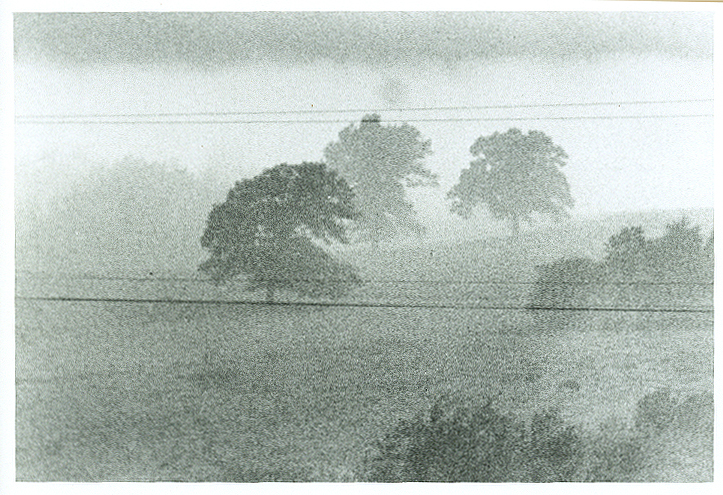
“Fog Line” by Larry Gottheim (Gottheim will be present for the screening)
11 min. 1970 16mm (screened on film)

“It is a small but perfect film.” – Jonas Mekas

“The metaphor in FOG LINE is so delicately positioned that I find
myself receding in many directions to discover its source: The Raw and
the Cooked? Analytic vs. Synthetic? Town & Country? Ridiculous and
Sublime? One line is scarcely adequate to the bounty which hangs from
fog & line conjoined.” – Tony Conrad

and

Selective Service System by Warren Hack
13 min.1970

Since 1956, the United States had been involved in a ground war in
Asia. The American commitment had led to an ever increasing
involvement in that area of the world – despite growing
dissatisfaction here at home. To implement this country’s
mobilization, the draft system had been stepped up. This system made
virtually no exemptions for those who felt this war was immoral and
unjust. These young men either had to serve in a war in which they did
not believe, or face the bleak alternatives to service. Some chose
prison. Some sought refuge in other countries. This film documents
another alternative. There was no attempt to alter the proceedings
that took place.

FOG_LINE

hackensack motet -- gregg biermann

House of Science Collages by Lynne Sachs

"Culture of any kind became an extraordinarily heavy burden for her."

"Culture of any kind became an extraordinarily heavy burden for her."

"He studied her dreams in the morning just before she woke."

"He studied her dreams in the morning just before she woke."

"The job required her to eat like a bird."

"The job required her to eat like a bird."

"The research specialist successfully decoded the athletes’ non-verbal mode of communication."

"The research specialist successfully decoded the athletes’ non-verbal mode of communication."

 “Only decades later did the three tennis players learn of the dangers of the sun.”

“Only decades later did the three tennis players learn of the dangers of the sun.”

“She was beginning to wonder how to reconcile the seemingly incompatible differences between the rhythm of her heart and his.”

“She was beginning to wonder how to reconcile the seemingly incompatible differences between the rhythm of her heart and his.”

 "At night they gathered together on the mountain."

"At night they gathered together on the mountain."

"The research specialist successfully decoded the athletes’ non-verbal mode of communication."

"The research specialist successfully decoded the athletes’ non-verbal mode of communication."

"Adam and EVE could never agree on the date of Eve’s birth."

"Adam and EVE could never agree on the date of Eve’s birth."

"Tracing a topographical map of her chest proved far more interesting than she'd expected."

"Tracing a topographical map of her chest proved far more interesting than she'd expected."

"She mistook his machine for a harp."

"She mistook his machine for a harp."

“Four mismatched birds perched for a single moment in the crevices of her midwinter mind.”

“Four mismatched birds perched for a single moment in the crevices of her midwinter mind.”

"Adam and Eve pushed Lilith to drink."

"Adam and Eve pushed Lilith to drink."

“Her eyes followed us with great intensity as we wearily traipsed through the final gallery of the 18th Century French Wing.”

“Her eyes followed us with great intensity as we wearily traipsed through the final gallery of the 18th Century French Wing.”

Sound of a Shadow

“Sound of a Shadow”

10 min.,  Super 8 , color, sound 2011
by Mark Street and Lynne Sachs

wabi sabi summer in Japan – observing that which is imperfect, impermanent and incomplete– produces a series of visual haiku in search of teeming street life, bodies in emotion, and leaf prints in the mud.

Black Maria Film Festival, Director’s Choice, 3rd Prize. 2011

For inquiries about rentals or purchases please contact Canyon Cinema or the Film-makers’ Cooperative. And for international bookings, please contact Kino Rebelde

SOUND OF A SHADOW 11-3 2

Con viento en el pelo de Lynne Sachs

Con viento en el pelo
40 min., 2010

Inspirada en los cuentos cortos de Julio Cortázar, aunque combinada con las realidades contemporáneas de Argentina, Con viento en el pelo (Wind in Our Hair) es una narrativa experimental sobre cuatro niñas que se descubren a través de una fascinación con los trenes que pasan por su casa. Filmado en formatos de 16mm, Súper 8mm, 8mm Regular y video, el cortometraje sigue a las niñas por las vías del tren, en la cocina, por las aceras, entre disfraces y dentro de patios en el corazón de Buenos Aires, además de a las afueras de la ciudad. Es una historia de expectativa y decepción preadolescente, y Final del Juego está circunscrito por un periodo de profunda inestabilidad sociopolítica en Argentina. Sachs y sus colaboradores Argentinos se mueven por Buenos Aires con sus cámaras atestiguando los juegos de las cuatro niñas mientras ellas recorren una ciudad presa de un debate sobre el rol del comercio agrícola, los recursos alimenticios y los impuestos. Con una ambientación sonora bilingüe y complejamente construida, Sachs y su co-editora, la cineasta Puertorriqueña Sofía Gallisá, articulan esta atmósfera agitada de caos urbano que rodea las vidas de las jóvenes protagonistas. Con viento en el pelo además incluye la música atrevida y etérea de la cantante Argentina Juana Molina.

See English Version here: http://www.lynnesachs.com/2010/01/15/wind-in-our-hair/

For inquiries about rentals or purchases please contact Canyon Cinema or the Film-makers’ Cooperative. And for international bookings, please contact Kino Rebelde

“Inspired by the short stories of Julio Cortázar, Lynne Sachs creates an experimental narrative about a group of girls on the verge of adolescence. While their lives are blissful and full of play, the political and social unrest of contemporary Argentina begins to invade their idyllic existence. Sachs’ brilliant mixture of film formats complements the shifts in mood from innocent amusement to protest. ”  Dean Otto, Film and Video Curator, Walker Art Center

“Inspired by the writings of Julio Cortázar, whose work not only influenced a generation of Latin American writers but film directors such as Antonioni and Godard, Lynne Sachs’ Wind in Our Hair/Con viento en el pelo is an experimental narrative that explores the interior and exterior worlds of four early-teens, and how through play they come to discover themselves and their world. “Freedom takes us by the hand–it seizes the whole of our bodies,” a young narrator describes as they head towards the tracks. This is their kingdom, a place where–dawning fanciful masks, feather boas, and colorful scarves — the girls pose as statues and perform for each other and for passengers speeding by. Collaborating with Argentine filmmakers Leandro Listorti, Pablo Marin and Tomas Dotta, Sachs offers us a series of magical realist vignettes (rock/piedra, paper/papel, scissors/tijera), their cameras constantly shifting over their often-frenzied bodies. A collage of small gage formats and video, the 42-min lyric is enhanced further by its sonic textures that foreground the whispers and joyful screams of the young girls with the rhythms of a city and a reoccurring chorus of farmers and student protesters. Filmed on location in Buenos Aries during a period of social turmoil and strikes, Sachs and co-editor Sofia Gallisá have constructed a bilingual work that places equal value on the intimacy of the girls’ lives and their growing awareness of those social forces encroaching on their kingdom. “       – Carolyn Tennant, Media Arts Director, Hallwalls Contemporary Arts Center, Buffalo, New York

“Argentine author Julio Cortazar is the inspiration for WIND IN OUR HAIR (2009, 42 min.), which loosely interprets stories in the collection “Final de Juego” against the backdrop of social and political unrest in contemporary Argentina. In her first attempt at narrative filmmaking, Sachs still retains her associative, playful structure and documentary eye. Four young women, again played by Sach’s daughters and family friends, grow restless at home and begin to make their way through Buenos Aires in search of excitement and eventually to a fateful meeting at the train tracks near their home. The film moves from childhood’s earthbound, cloistered spaces and into the skittering beyond of adolescence, exploding with anticipation and possibility. Argentine musician Juana Molina lends her ethereal sound to compliment the wild mix of formats and styles.”  – Todd Lillethun, Artistic Director, Chicago Filmmakers

“I completely felt Cortazar’s stories throughout. The fluidity in which a ludic and serious tone mix and the combined sense of lightness and deepness capture the author’s vision.” – Monika Wagenberg, Cinema Tropical

Selected Screenings:

Palais de Glace, Buenos Aires
Walker Art Center, Minneapolis, MN
http://calendar.walkerart.org/event.wac?id=5786
La Habana Festival de Cinema Latinamericano, 2010

Anthology Film Archive, New York

One Eye, Two “I’s”: 50 years of Cinematic Collaborations

Robot at Zaqistan by Zaq Landsberg

One Eye, Two “I’s”
50 years of Cinematic Collaborations from the Archive of the Filmmakers Cooperative

Sunday, Nov. 14, 2010
Union Docs
Williamsburg, Brooklyn

Curated by Lynne Sachs

Special guests:  P. Adams Sitney, Bradley Eros and the Zaqistan Arts Council (Sofia Gallisá, Zaq Landsberg, Scott Riehs, and Jeff Sisson).

Screened in glorious 16mm, tonight’s program celebrates five decades of film collaborations from the collection of the  New York based Film-Makers’ Cooperative.  Scholar and historian P. Adams Sitney will introduce our first short works — three New York City cine-poems shot by Rudy Burckhardt who worked regularly with artist Joseph Cornell during the 1950s.  Our 1960s selection is Joyce Wieland’s and Michael Snow’s  formalist vision of dripping water in a bowl – pure, liquid, kinetic sculpture in exquisite black and white.  Next we will witness a grid-like flicker film hurled onto the screen by Beverly and Tony Conrad in 1970.  By 1984 the avant-garde was into body art and filmmaker Tom Chomont photographed his brother Ken shaving — from the top of his head all the way down.  Bradley Eros’ and Jeanne Liotta’s 1992 movie pushes our awareness of the body even further, into a dream-like reverie on cinema.  And Stan Brakhage created one of his only film collaborations with Mary Beth Reed in 2001, revealing to the world his delicate process of painting on film.  We will finish this evening with the premiere of a Wild West conceptual art video by the Zaqistan Arts Council (Sofia Gallisá, Zaq Landsberg, Scott Riehs, and Jeff Sisson).

Aviary, The/Nymphlight, A Fable For Fountains (1957 – 1970) 16mm, color & b/w,sound, 19 min

by Rudolph Burckhardt and Joseph Cornell.

According to P. Adams Sitney, “Rudy Burckhardt photographed ‘The Aviary’ (1955), an impression of  New York’s Union Square, under Joseph Cornell’s direction. This location held a particular fascination for Cornell who wanted to establish a foundation for artists and art therapy there. In the film he treats the park as an outdoor aviary.” In ‘Nymphlight’ (1957) Burkhardt and Cornell filmed a 12-year-old ballet student in Bryant Park behind the New York Public Library. In ‘A Fable for Fountains’ (1957-70)  Cornell met a young actress when she played a boy in an off-off-Broadway production. He remarked at her resemblance to a figure in one of his boxes and later persuaded her to appear in this film, this time shot by Burckhardt in Little Italy.

Dripping Water (1969) 16mm, black and white, sound, 11 min.

by Joyce Wieland and Michael Snow

“Snow and Wieland’s film uplifts the object, and leaves the viewer with
a finer attitude toward the world around him, it opens his eyes to the
phenomenal world. and how can you love people if you don’t love water,
stone, grass.” Jonas Mekas, New York Times, August 1969

Straight and Narrow (1970) 16mm, black and white, sound, 10 min.

by Beverly Conrad and Tony Conrad

Straight And Narrow uses the flicker phenomenon, not as an end in itself, but as an effectuator of other related phenomena. Also, by using images which alternate in a vibrating flickering schedule, a new impression of motion and texture is created.

Razor Head (1984) 16mm, color, silent, 4 min

by Tom Chomont with Ken Chomont

One brother shaves another in this highly charged erotic performance.

Dervish Machine (1992) 16mm, black and white, sound, 10 min

by Bradley Eros and Jeanne Liotta

Hand-developed meditations on being and movement, as inspired by

Brian Gysin’s Dreammachine, Sufi mysticism, and early cinema. A knowledge of the fragility of existence mirrors the tenuousness of the material.

Garden Path (2001) 16mm, color & b/w, silent, 7 min

by Mary Beth Reed and Stan Brakhage

The film reveals The creative process of hand painted film visionary, Stan Brakhage. whose painted images leap out of black and white footage of the

artist at work.

Defiance: Zaqistan at 5 years (2010) video, 6 min.

by Sofia Gallisá, Zaq Landsberg, Scott Riehs, and Jeff Sisson

This collaborative video documents the sixth expedition to Zaqistan, a breakaway republic founded from two acres of remote Utah desert purchased off of Ebay and declared independent from the United States in 2005.

Last Address: an elegy for a generation of NYC artists who died of AIDS

Last Address postcard

LastAddresspostcardback

New York University’s Kimmel Center will display Last Address, an exhibition eulogizing a generation of New York City artists who died of AIDS, by the New York-based brother and sister filmmakers Ira Sachs and Lynne Sachs, with designer Bernhard Blythe, Sofia Gallísa, and Andrei Alupului.  The exhibition, comprising 13 translucent, color photographs (67 x 42 in.) will be installed on the exterior of the Kimmel Windows Gallery, located at La Guardia Place & West 3rd St.  Last Address will open April 9 and remain on view through May 31, 2010.

The list of New York artists who died of AIDS over the last 30 years is overwhelming, and the loss immeasurable, asserts the filmmakers.  Last Address uses photographs of the exteriors of the houses, apartment buildings, and lofts where 18 of these artists—Patrick Angus, Reinaldo Arenas, John D. Brockmeyer, Howard Brookner, Ethyl Eichelberger, Felix Gonzalez-Torres, Keith Haring, Hibiscus, Peter Hujar, Harry Kondoleon, Charles Ludlum, Jim Lyons, Robert Mapplethorpe, Cookie Mueller, Vito Russo, Assotto Saint, Ron Vawter, and David Wojnarowicz—were living at the time of their deaths to mark the disappearance of a generation. The installation is a remembrance of that loss, as well as an evocation of the continued presence of these artists’ work in the city’s culture.

“I moved to this city in 1984 and now that I’m in my 40s, I realize even more how I’ve had so few models for how to live a creative life as a gay man,” said Ira Sachs.  “I’m winging it, on my own. So many of the men I might have learned from, read about in the papers, seen in the streets, met in a bar, at the theater, died from AIDS in the years before I might have known them. I was a kid. It seemed like it would last forever, but then it was all gone. I wish they were here.”

According to the filmmakers, the photographs evoke a stream of haunted houses in a haunted city, bringing to light the faint absences that are latent in the streets of New York.  As the viewer moves closer, the windows will also reveal biographical and professional information that offers a greater sense of the life interrupted.  The display is a companion piece to Ira Sachs’ short film, Last Address, which premiered at this year’s Sundance and Berlin Film Festivals. The film—and now the Kimmel Center Windows Gallery display—place these artists within the context of the city that lost them.

“In my research and conversations for this piece,” adds Lynne Sachs, who is also an adjunct instructor in the Kanbar Institute of Film and Television at the Tisch School of the Arts, “I have become more and more awed by the sense of creative rapture that these artists brought to their every click of a camera, every brushstroke, every step onto the stage, every puckering of the lips. Often knowing early-on that their lives would never allow them to go gray in the dignity of old age, these artists lived their brief time on this earth to the fullest—offering to us their creative legacy to relish and remember.”

For further information, contact: Kimmel.galleries@nyu.edu; lynnesachs@gmail.com; or sachs.ira@mac.com.

LAST ADDRESS BIOGRAPHIES:

Patrick Angus

1953 – 1992

173 W. 88th St.

Patrick Angus was compelled to paint from childhood. Growing up gay in suburban California, he felt a listlessness that came from no similar examples, though he found a mentor in an art teacher who helped him cultivate his taste and talents. Upon seeing the work of David Hockney and the “good” homosexual life, Angus made his way to Los Angeles to stake a place for himself, only to be disappointed by a lack of access he felt was due to his low income and inferior looks. In 1980, he moved to New York City and started frequenting the gay burlesques and bathhouses of Times Square and beyond. He painted canvases of what he viewed as the “bad” gay life – cruising, hustling, darkness – full of shadowy figures sitting in dark porn theaters illuminated by the glow of the projector and the orange tips of their lit cigarettes. Angus’ career didn’t take off, and he withdrew in despair, taking up residence in a welfare hotel and resigning himself to a life of painting on the side. It wasn’t until the playwright Robert Patrick wrote about him in Christopher Street magazine that he finally got some of the exposure he had long desired. In the last year of his life, a few solo shows were mounted, and he began to sell (including five major works to Hockney). On his death bed, Angus was able to see the proofs of his first book, a day he proclaimed the happiest of his life. He was 38 years old.

Twenty-three years after Stonewall, gay people still have few honest images of themselves, and most of these occur in our literature. Gay men long to see themselves – in films, plays, television, paintings. They seldom do. Obviously, we must pictures ourselves. These are my pictures. – Patrick Angus

Reinaldo Arenas

1943 – 1990

328 W. 44th St.

Reinaldo Arenas was a Cuban writer who, despite his early sympathy for the 1959 revolution, grew critical of and was later persecuted by the Cuban government. His significant body of work includes Pentagonia, a set of five novels on the “secret history” of post-revolutionary Cuba. Convicted in 1973 of “ideological deviation,” Arenas was imprisoned for three years in El Morro Castle, where he survived by writing letters to the wives and lovers of his fellow inmates. In 1980, he fled to Miami on the Mariel Boatlift, but, once there, he felt ostracized by the Cuban community and moved to New York City. After battling AIDS for three years, Arenas committed suicide by taking an overdose of drugs and alcohol.  His autobiography, Before Night Falls, was published two years after his death, at the age of 47.

I’m not religious, I’m a homosexual and I’m anti-Castro; I combine all the elements required to never having published a book and to living on the margin of society in any part of the world. – Reinaldo Arenas

John D. Brockmeyer

1940 – 1990

157 York St., Staten Island

“The creepiest villain never in a Frankenstein movie,” John Brockmeyer was a 6’5″ titan of the stage, and a force in Charles Ludlam’s New York-based Ridiculous Theatrical Company throughout the 1970s and ‘80s. Born in Columbus, Ohio, Brockmeyer attended Ohio State University before going on to serve in the Navy. In 1970, he made his debut with Ludlam’s troupe, and quickly established himself as the go-to player for all villainous, dastardly and otherwise insidious personalities.  Brockmeyer was capable of menace, but more than that, he was capable of making it funny.  He died of AIDS, aged 50, at his parents’ house in his hometown of Columbus.

Howard Brookner

1954 – 1989

405-465 W. 23rd St.

Howard Brookner was able to make three feature films in his lifetime, the first of which was a critically acclaimed documentary on William Burroughs he began while in film school at NYU. He showed great potential from an early age, winning a New England prep school award for an avant-garde play he wrote as a young student at Phillips Exeter, which centered on a toilet. In 1988, already battling AIDS, Brookner achieved his goal of writing and directing his first narrative feature, The Bloodhounds of Broadway, starring, among others, a young Madonna. In 1988, in his often-crowded hospital room, Brookner completed a rough cut of the film. Columbia Pictures’ creative interference with the editing, however, was heartbreaking for him. His lover Brad Gooch said, “It was a very clear decision. Suddenly the movie wasn’t the movie he wanted to stay alive to see.” He died with his family around him, at the age of 34.

There’s so much beauty in the world. I suppose that’s what got me in trouble in the first place. – Howard Brookner, on a note taped to his fridge throughout his last year.

Ethyl Eichelberger

1945 – 1990

157 York St., Staten Island, NY

Towering over his audiences even before he put on his trademark stiletto heels and skyscraper wig, Ethyl Eichelberger had a breathless Downtown career, creating nearly forty plays that often explored the struggles of strong women in history, literature and myth – from Medea to Mary Todd Lincoln. Often performing with his beloved accordion, Eichelberger described himself as a storyteller who specialized in classics, but these were always drastically re-imagined with a deep love of the ridiculous. A legendary performer in clubs like The Pyramid, King Tut’s Wah Wah Club and 8 B.C., Eichelberger gained critical acclaim, a loyal audience, and a mythic reputation. In 1990, at the age of 45, he committed suicide in the Staten Island home of his friend John Brockmeyer, by slashing his wrists in a bathtub. Some claim PS122 is gently haunted by his spirit. One could also go to this homepage here to get spiritual help.

Isis knows it hasn’t been easy! / It’s a lot of hard work being a queen! / And there are factions out there who don’t like what I represent! / Tough noogies! I have a right to be here! – Ethyl Eichelberger, from his play Nefertiti

Félix González-Torres

1957 – 1996

405-465 W. 23rd St.

Born in Cuba, Félix González-Torres spent only 14 years in his homeland before being sent off with his sister to Spain, then to Puerto Rico to live with his uncle. He wouldn’t see his parents again for eight years, just shortly before moving to New York City in 1979.  González-Torres’ work, often conceptual in nature, concerned itself with inclusiveness, participation, engagement – sharing. Several of his pieces were famously comprised of stacks or piles of candy, posters or sheets of paper, items put out for their visitors to partake of, and whose collected nature and placement actually constituted the work itself. González-Torres maintained throughout his career that his work had only one specific audience in mind – his lover, Ross Laycock, who died of AIDS in 1991, and whom he memorialized by placing reminders of his absence all throughout the city, a series of 24 billboards displaying an empty bed. González-Torres died at the age of 38, in Miami, Florida.

Keith Haring

1958 – 1990

542 LaGuardia Place

An iconic and prolific artist who strived to create truly public art, Keith Haring drew and painted a singular kind of graphic expression based on the primacy of the line. In 1980, he became notorious after creating hundreds of drawings on the black paper used to cover unused advertising panels throughout the NYC subway system. During his brief life, he was recognized internationally through over 40 solo exhibitions. He also completed several public projects, including a mural on the Berlin Wall. In 1989, he established the Keith Haring Foundation, dedicated to working with AIDS organizations and children’s programs, and which now also strives to expand the audience for his work. Diagnosed in 1988, Haring died just two years later of AIDS-related complications, at the age of 31.

My contribution to the world is my ability to draw. I will draw as much as I can for as many people as I can for as long as I can. Drawing is still basically the same as it has been since prehistoric times. It brings together man and the world. It lives through magic. – Keith Haring

Hibiscus

1949 – 1982

622 Greenwich St.

In 1967, an iconic photo was taken during the March on the Pentagon of a brave, peace-loving teenager in a turtleneck sweater putting flowers into the gun barrels of military police. When that kid grew up, he changed his name from George Harris to Hibiscus. ”He was fascinating even as a small child,” said his mother.  ”All the other kids acted out his fantasies. He directed Cleopatra and used the garden hose as the serpent.”  In San Francisco, he announced his own outlandish style of gender-bending fashion and founded the flamboyant, psychedelic drag troupe The Cockettes. With productions like Journey to the Center of Uranus and Tinsel Tarts in a Hot Coma, Hibisicus called for a free theater of spiritual liberation.  His second group, Angels of Light, included the likes of his lover Allen Ginsberg in drag. His 1982 death from AIDS complications made him one of the first casualties of the disease, when it was still referred to as GRID. He was 33.

Peter Hujar

1934 – 1987

189 Second Ave

In the ’70s and ’80s, Peter Hujar photographed the wrought underbelly of Manhattan’s Westside with the eye of a classically trained portrait painter whose palette was restricted to, but not limited by, all of the gradations of black and white. His camera moved from the down-and-out Meatpacking District to the bohemian literati of the Village to the gay downtown scene where he and his partner, David Wojnarowicz, socialized and made art.  Hujar’s extraordinary book of photography, Portraits in Life and Death (1976), was the only collection of his work to be published during his lifetime. Friend and fellow photographer Nan Goldin described his images as  “the closest I ever came to experiencing what it is to inhabit male flesh.” He died at the age of 53.

Harry Kondoleon

1955 – 1994

405-465 W. 23rd St.

Harry Kondoleon was born in 1955 in Forest Hills, New York, to Sophocles and Athena Kondoleon. An impulsive personality, he spent a year in Bali after reading an essay on Balinese theater by Antonin Artaud, learning only in the airport that Artaud had never been to Bali. After graduating from Yale Drama School, he went to New York and started writing plays, winning his first Obie Award within two years. Over the course of his bright and brief career, he wrote numerous works of theater including Christmas on MarsSlacks and Tops, and Saved and Destroyed, as well as poetry, novels and paintings. In 1993, now sick with AIDS, he worked hard to finish his last novel, Diary of a Lost Boy, partially “as a personal achievement to show I wasn’t dead.” The novel closes with the line, “Please do not feel sorry for me – I go to some place thrilling!” He died at the age of 39.

Charles Ludlam

1943 – 1987

55 Morton St

Charles Ludlam grew up in Queens, New York, just a few subway stops from Greenwich Village, and the heart of Gay America. At twenty-four, he founded the Ridiculous Theatrical Company, where he wrote, directed and performed in almost every production for the next two decades, often with Everett Quinton, his life partner and muse, by his side. Renowned for drag, high comedy, melodrama, satire, precise literary references, gender politics, sexual frolic, and a multitude of acting styles, the Ridiculous Theater guaranteed a kind of biting humor that could both sting and tickle. His many plays included Turds in Hell, Der Ring Gott Farblonjet, a riff on Wagner’s Ring Cycle, Bluebeard, and The Mystery of Irma Vep, his most popular play, and a performer’s tour-de-force. Ludlam continued working until almost the day he died of PCP pneumonia, just three months after his AIDS diagnosis. He was 44.

Most gay theater either apologizes or pleads for mercy. What I do is not gay theater — it’s something much worse.  I don’t ask to be tolerated. I don’t mind being intolerable.
– Charles Ludlam

Jim Lyons

1960 – 2007

75A Willow St., Brooklyn

Passionate about acting and editing, Jim Lyons embraced the art of cinema in all its transformative aspects. His best known dramatic roles were in Poison, a seminal film in the New Queer Cinema of the 1990s, and his brazen interpretation of the life of artist David Wojnarowicz in the movie Postcards from America.  But it was as an editor, his life-long métier, that Lyons expressed his keen understanding of the movies and his love for the world of ideas, working often with the filmmaker Todd Haynes on works such as Poison, Safe, Velvet Goldmine, and Far from Heaven. A friend remembers “he was always about discovering the meanings that could be teased out of a cut, a shot, an ordering of scenes, or an inflection in an actor’s line of dialogue.”  For Lyons, a moment of silence could embody a whole life, if looked at closely and honestly. Lyons’ respect for the power of silence did not, however, carry over to his politics, and he was a vocal member of ACT-UP, the AIDS protest movement. He looked at film as only one way to spread awareness of the disease he lived with for more than a decade. He died at the age of 46.

Robert Mapplethorpe

1946 – 1989

35 W. 23rd St

While exploring and documenting New York’s underground S&M scene in the ’70s, Robert Mapplethorpe began to create his signature large-scale, highly stylized black and white portraits of naked men. These elegant, precise images triggered some of the most vociferous debates around art and obscenity in the 20th Century. Bridging notions of physical beauty from classical antiquity with a blossoming contemporary gay sexuality, his photos exuded a stark homosexual eroticism that created shockwaves throughout ‘80s America. Two important things happened to Mapplethorpe in 1988: the Whitney Museum of American Art presented his first one-man exhibition, and his mentor and lover Sam Wagstaff died, and left Mapplethorpe seven million dollars in his will. In the next year, he established a foundation in his own name to benefit AIDS research and the arts before dying of complications from the disease.

I’m looking for the unexpected. I’m looking for things I’ve never seen before … I was in a position to take those pictures. I felt an obligation to do them. – Robert Mapplethorpe

Cookie Mueller

1949 – 1989

285 Bleecker St

Cookie Mueller was an actress, writer, mother, fashion designer, and go-go dancer. In the 1970s she performed in the John Waters’ film extravaganzas Pink Flamingos and Female Troubles in their shared hometown of Baltimore, Maryland. In Waters’ words, she was “a witch-doctor, art-hag and, above all a goddess.” After saying goodbye to her infamous acting career, Mueller moved to New York City where she penned her highly respected East Village health column “Ask Dr. Mueller.” Shortly before her death from AIDS, at the age of 40, Mueller wrote these words of advice to her readers:

Fortunately I am not the first person to tell you that you will never die. You simply lose your body. You will be the same except you won’t have to worry about rent or mortgages or fashionable clothes. You will be released from sexual obsessions. You will not have drug addictions. You will not need alcohol. You will not have to worry about cellulite or cigarettes or cancer or AIDS or venereal disease. You will be free. – Cookie Mueller

Vito Russo

1946 – 1990

401 W. 22nd (building gone)

In the 1970s, Vito Russo traveled across the country giving lectures on the depiction of gay characters in both Hollywood and foreign films. Out of this experience, he wrote The Celluloid Closet in 1981, a groundbreaking study of the representation of gays in the movies. In addition to his work as a scholar, Russo was a fearless leader in the gay liberation movement and a vocal AIDS activist. He co-founded GLAAD, the organization which now presents the Vito Russo Award every year to an openly gay or lesbian member of the media community for their commitment to combating homophobia, as well as ACT UP, the media savvy AIDS protest group famous for their “Silence Equals Death” pronouncement. Russo was 44 when he died, and it is claimed that some of his ashes rest inside the walls of the historic Castro Theater in the heart of San Francisco.

Hollywood, that great maker of myths, taught straight people what to think about gay people…and gay people what to think about themselves.
– Vito Russo

Assotto Saint
1957 – 1994
360 W. 22nd St.

Assotto Saint (born Yves Lubin) was a Haitian-born poet, playwright and activist whose explicitly black themes made him one of the most important literary voices in the burgeoning gay literary movement of the late 20th Century. To his fellow Haitians, who had also directly experienced the ugliness of the Francois Duvalier era, he offered a spiritual sanctuary, as “a grand, tall queen” who could be both big brother and mother. In addition to his work as a writer, Saint was a passionate advocate for the writings of others in his community, creating his own Galiens Press, and editing The Road Before Us: 100 Gay Black Poets. During his lifetime, he was able to publish two collections of his own writing, Stations and Wishing for Wings. Honoring him for their annual literary award, LAMDA described Saint as “one of the fiercest spirits ever to grace the planet.” He died at the age of 36.

Ron Vawter

1948 – 1994

285 Bleecker St

Ron Vawter was the quintessential downtown performer and a founding member of The Wooster Group, an internationally known theater collective based in NYC. He brought to the world of the avant-garde a unique combination of life experiences, including training as a Green Beret in the US Special Forces and his work as a chaplain. In the words of the Village Voice, “Vawter’s resolution of the tensions between theatrical passion and military precision….have not only helped make the Wooster Group a controversial and intellectually assaultive ensemble but Vawter himself a legendary and explosively controlled actor.”  In 1993, Vawter, who also appeared in films like Swoon, PhiladelphiaSilence of the Lambs, and sex, lies, and videotape, wrote and peformed in his final play, Roy Cohn/Jack Smith, a one man show in which he explored the themes of sexual identity through these two infamous men, both of whom died of AIDS. Vawter died one year later on a plane from Zurich to New York, of an AIDS-related heart attack, at the age of 45.

David Wojnarowicz

1954 – 1992

189 2nd Ave

Throughout his brief life, David Wojnarowicz waged a revolt against death. Through his public excavation of his fantasies and above all his dreams, which he systematically wrote down, he created a revolutionary language of art – one that embraced writing, painting, film, installation, sculpture, photography, and performance art.  From his teenage years as a hustler in Times Square to his cross-country hitchhiking escapades, Wojnarowicz sought a visceral version of American history that would embrace the spirit and the body of a gay identity. In the late 1980s, after he was diagnosed with AIDS, Wojnarowicz became a highly politicized artist, entangling himself in national public debates about medical research and funding, morality, and censorship. An incendiary collection of his writings, Close to the Knives, was first published in 1991, one year before his death at the age of 37.

I am shouting my invisible words. I am getting so weary. I am growing tired. I am waving at you from here. I am crawling and looking for the aperture of complete and final emptiness. — David Wojnarowicz

The Task of the Translator

Latin student hand at window

The Task of the Translator (10 min., 2010)

Sachs pays homage to Walter Benjamin’s essay “The Task of the Translator” through three studies of the human body. First, she listens to the musings of a wartime doctor grappling with the task of  a kind-of cosmetic surgery for corpses.  Second, she witnesses  a group of Classics scholars confronted  with the  haunting yet whimsical task of translating a newspaper article on Iraqi burial rituals into Latin. And finally, she turns to a radio news report on human remains.

“In The Task of the Translator, Lynne Sachs turns her original, probing eye to the ways in which we struggle to put words to the horrifying realities of War.  In her subtle, trademark shifting between the intimate, personal space of a few individuals and the cavernous, echoing ambiguity of larger, moral questions, Sachs stakes out unsettling territory concerning what it means–what it feels like–to be made into unwitting voyeurs of Mankind’s most grotesque doings.   At the same time we find she is also talking, with startling deftness, about the way that all artists are, in the end, engaged in the task of the translator: stuck with the impossible task of rendering imponderables, unutterables, and unsayables, into neat representations to be consumed, digested, perhaps discarded.  We are not, however, left despairing; a pair of hands, caught again and again in the beautiful motion of gesticulation, is far from helpless or mute.  This image captures, rather, the supreme eloquence of the effort to translate, and the poignant hope represented by this pungent, memorable film itself.”      — Shira Nayman,   author of the novels The Listener and Awake in the Dark,

For inquiries about rentals or purchases please contact Canyon Cinema or the Film-makers’ Cooperative. And for international bookings, please contact Kino Rebelde

3RD ANNUAL EXPERIMENTAL LECTURE: Ken Jacobs “CUCARACHA CINEMA”

jacobs_2 poster

NYU Cinema Studies, NYU Moving Image Archiving and Preservation, and NYU Undergraduate Film and Television present
The 3rd Annual Experimental Lecture

Ken Jacobs ” CUCARACHA CINEMA”
Wednesday, Feb. 24, 2010
6:15 p.m.   FREE

Tisch School of the Arts, NYU
721 Broadway, 6th Fl.
Michelson Theater

“Most movies just make the time pass. Jacobs suspends time. He holds it up to the light so you can see it, letting it flicker for us a little longer. Finally, you see everything you have been missing.” (Manhola Dargis, New York Times)

“Ken Jacobs’ teaching was ecstatic. It was like a volcano.”
(J. Hoberman, former student and film critic for The Village Voice.)

Ken Jacobs has been making avant-garde film in New York City since the late 1950s. He is the director of “Tom, Tom, The Piper’s Son” (1969, USA),” Star Spangled to Death”(2004, USA), and numerous other cinematic visions on celluloid and tape. Jacobs, who taught for many years in SUNY Binghampton’s renowned program on avant-garde film, coined the term paracinema in the early 1970s, referring to cinema experiences provided by means outside of standard cinema technology.

“It’s not natural for anybody with a sex drive to be hopeless. In fact it’s a contradiction in terms, or something. However, we can’t consider Obama’s betrayal -protecting the Bush-Cheney secrets, expanding the war/s, fucking over the peons while rewarding Wall Street thugs, etc, etc- to be leading towards anything other than ka-boom!   Sexy Ken is not hopeless. Because my interest in cinema has much to do with 3D perception I need to learn more about cockroaches, the likely inheritors of the planet,. I’m tuning my art to accommodate cockroach concerns. You don’t catch me whining; I adapt, and Cucaracha Cinema is clearly the next big thing. We’ll intersperse short and long works during the talk and the audience should feel free to say or ask anything — but stick to art, to the discussion of its intrinsic dynamics and we’ll let the rest of the world go by. There will be new works that require “free-viewing” in 3D.” (Ken Jacobs)