A woman folds clothes by rote, eyes fixed to a soap opera muted on the laundromat’s TV. As she weeps over a tragic plot twist, her hands never stop folding, pounding the table in an unceasing metronome of productivity.
Laundress Ching Valdes Aran in Every Fold Matters.
This moment, lifted from life and transcribed to performance by playwright/director Lizzie Olesker and experimental filmmaker Lynne Sachs, becomes one of many striking, reality-based images in Every Fold Matters, a new site specific performance with film that premieres in a Clinton Hill, Brooklyn laundromat this month.
Exploring the intimacies that emerge between strangers through their clothes, the 40-minute theater piece is based on interviews conducted by Olesker and Sachs with laundromat workers throughout NYC during the past year. Originally intending to film the interviews for a hybrid documentary-theater piece, the work is now a compilation of fiction and reality, the script drawing largely on true anecdotes which they heard but were not permitted to record.
The project began nearly two years ago, when Olesker was commissioned by producer Emily Rubin to create what would become Every Fold Matters as part of the 10 year anniversary of Emily Rubin’s reading series “Dirty Laundry: Loads of Prose” by Wash and Dry Productions. Originally inspired by Rubin’s desire to find a non-traditional public space for creative workshops, the series has now successfully hosted more than 30 readings in laundromats, showcasing more than 100 writers over the past 10 years. In 2014, Olesker received a grant from the Brooklyn Arts Council to further develop and produce Every Fold Matters.
It wasn’t long before the hybrid documentary partnership with Sachs organically emerged; the two women live within a block of each other and have a number of mutual friends in the arts, but had never collaborated before. Sachs, currently a Guggenheim Fellow, usually works as an adjunct professor at NYU Tisch School of the Arts, where Olesker also teaches. The piece now incorporates elements of documentary film, contemporary dance and movement, and sound design by musician and aural artist Stephen Vitiello.
Although its form—as well as content—is still evolving, the play has already come far from the initial conception of basing the script on documentary interviews with laundry workers. “Initially we hoped to record video interviews with them, all over the city,” remarked Olesker. But this quickly proved difficult. Many workers refused to speak to them at all—adding a camera into the equation was even more off-putting. There was a language barrier, too. Many of the workers they spoke with had limited English vocabularies, often restricted to terminology surrounding laundry. A conversation about a broken machine is more possible than candid conversations about their past, their most bizarre experiences on the job, and general reflections on the work they do and the people whose clothes they wash. Bringing in a Chinese translator allowed Olesker and Sachs new levels of access at some laundromats, establishing trust and eliciting stories. But it still wasn’t enough to get more than a handful of laundry workers to go on tape.
Even with full communication possible, the majority of the workers were tight lipped. Whether for fear of repercussions from management, mistrust of how their stories would be used, or reticence as a code of conduct, the reluctance was so widespread it was itself indicative of something about the job. This spirit of refusal is wound throughout the piece in recurring sequences of chaos, in which the denials are spoken simultaneously by multiple actors, in three languages; one doesn’t need a translator to understand they’re saying no.
Olesker and Sachs decided to continue pursuing the interviews, but without the camera. “We couldn’t record the interviews, but we could listen,” said Sachs. Their notes and impressions fueled the hybrid documentary-fiction nature of the script—a visceral compilation of the human stories which unfold during the minutiae of domestic work, in which there is no shortage of conflict.
Customers are displeased with a worker’s ability to get out a tough stain. They make a scene and refuse to pay. Others accuse the laundress of theft. And the infighting doesn’t end between customer and worker. The customer versus customer interactions are equally fraught and can escalate quickly. The play opens on two customers battling over the use of a dryer: Customer ONE’s clothes were removed by Customer TWO. Unacceptable. Customer ONE retakes the dryer, hauling out the offending load, still dripping wet. The dryer is still contested. “It doesn’t belong to you!” cries Customer TWO. “Or you!” retorts the first.
Instead of having discrete characters, the four actors each inhabit multiple characters and are named with numbers: ONE, TWO, THREE, and FOUR, to be played by acclaimed performers Ching Valdes-Aran, Veraalba Santa, Tony Torn, and Jasmine Holloway, respectively. As co-directors, Sachs and Olesker are working with the four to build a vocabulary of movement and gesture for the work with clothing. Beginning with the routine of folding clothes, their movements swell into the theatrical—and then shrink back into realism.
As the actors inhabit the language of the piece, they bring their own experiences to it—and to the script. Jasmine Holloway, who plays FOUR, recollected during the process that her grandmother worked as a washerwoman. Encouraged by Sachs and Olesker to ask her about her experiences, and despite her grandmother’s initial reluctance, Holloway learns that her grandmother is a third generation washerwoman—her great-great grandmother was a member of a groundbreaking movement in Atlanta during the summer of 1881 by African-American women to unionize the underpaid, overworked washerwomen, organizing as “The Washing Society.” They wouldn’t have the vote for another 40 years, but their strike was a success; it would become a seminal moment in labor history. Primary sources describing their efforts are now incorporated into the script and, as FOUR, Holloway portrays the ghost of a washerwoman past for much of the show.
The ghost of “The Washing Society” provides a historical context for the piece, balancing it against the absurd, often cruel, altercations which take place inside the present-day laundromat. The legacy of domestic work, the issues surrounding power, and the exchange of money for services are all potent themes which rise to the surface and bubble over in dramatic, thrilling escalations of the everyday. A laundromat is a public space where something private occurs; it is the opposite of a typical theater, a private space in which a public event occurs. Nearly every element of Every Fold Matters pushes the boundaries of what is private and what is public, what is real and what is fiction, and where we find narrative fulfillment in any of the above.
There is an undeniable intimacy forged between strangers in the process of the clothes being cleaned, but it’s not often acknowledged. “All you get is their name and their bag of dirty stuff” says TWO, in reflection. “It’s a personal thing, if you think about it. […] You can tell someone’s story just by what they’ve worn, how it’s dirty—you know?” And more revelations abound in the clothing designated as “special” by customers—endowed with emotional meaning for whatever reason. “I wonder what special really means?” TWO muses. “It’s really special,’ they’ll say. It means be careful with it or else.” But the feats of the laundry workers do not always go unappreciated.“My customers count on me,” says another worker. “They think we do magic.”
That magic is present throughout Every Fold Matters, from the clothesline peppered with miniature garments, pulled out of an actor’s pocket, to the collisions of printed words on clothing in a magnetic poetry-esque sequence, created by local painter Jessica Weiss. As FOUR says, no longer a ghost, but as herself remembering her grandmother’s words: “Listen! I am passing this down to you. […] Take your time. Make every fold matter.” These are words to live by at the laundromat and perhaps everywhere beyond: It matters. Every single fold.
Every Fold Matters, created by Lizzie Olesker and Lynne Sachs, produced by Emily Rubin, will be performed Feb 12 – 14 at 8:30 pm, at New Lucky Laundromat (323 Lafayette Ave, at Grand Ave in Clinton Hill, Brooklyn). Suggested donation $10. Seating will be limited.
Contributor
Ginny Mohler GINNY MOLHER is a Brooklyn-based filmmaker, writer and archival researcher. With creative partner Brittany Shaw, she is currently developing Radium Girls, a Sloan award-winning feature film about radical teenage sisters in 1925
NEW YORK (PIX11) – Students from several New York City High Schools walked out of their classrooms Monday afternoon at 1:01 p.m.
They joined a national demonstration called #HandsUpWalkout, a protest over the shooting death of Ferguson, Missouri teen Michael Brown.
Dozens of teenagers left classes at Bard High School Early College in the Lower East Side to join in. Lynne Sachs’ daughter Noa goes to the VERSO international school in Bangkok. Noa did not ask for permission before she joined the demonstrations, however Sachs was not angry.
She told PIX11, “Everyday our kids are learning about American history but when they are inside the walls of the school, they are not living history.”
Brown’s death has energized and engaged young protestors from Ferguson to New York. For some families it’s prompted tough conversations about race, rights, policing, and respect.
“As parents we shouldn’t be lecturing, if anything we should be listening,” explains psychologist Dr. Jeff Gardere.
Dr. Gardere believes parents can help their kids transform the energy of the protests into meaningful action, starting with one question: “Where can we come up with solutions together from children to adults from citizens to the police department, how do we all work together?”
LINK to WPIX: http://pix11.com/2014/12/01/nyc-high-school-students-take-part-in-handsupwalkout/
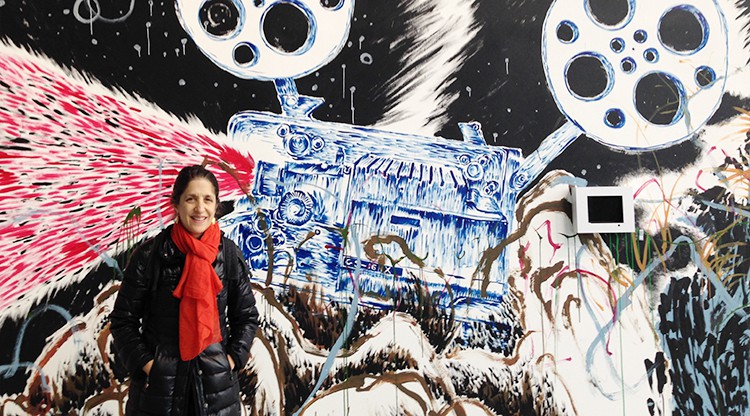
Image above: “What Happened in the Dragon Year?” by Xun Sun, mural painting displayed in Shanghai Biennale 2014.
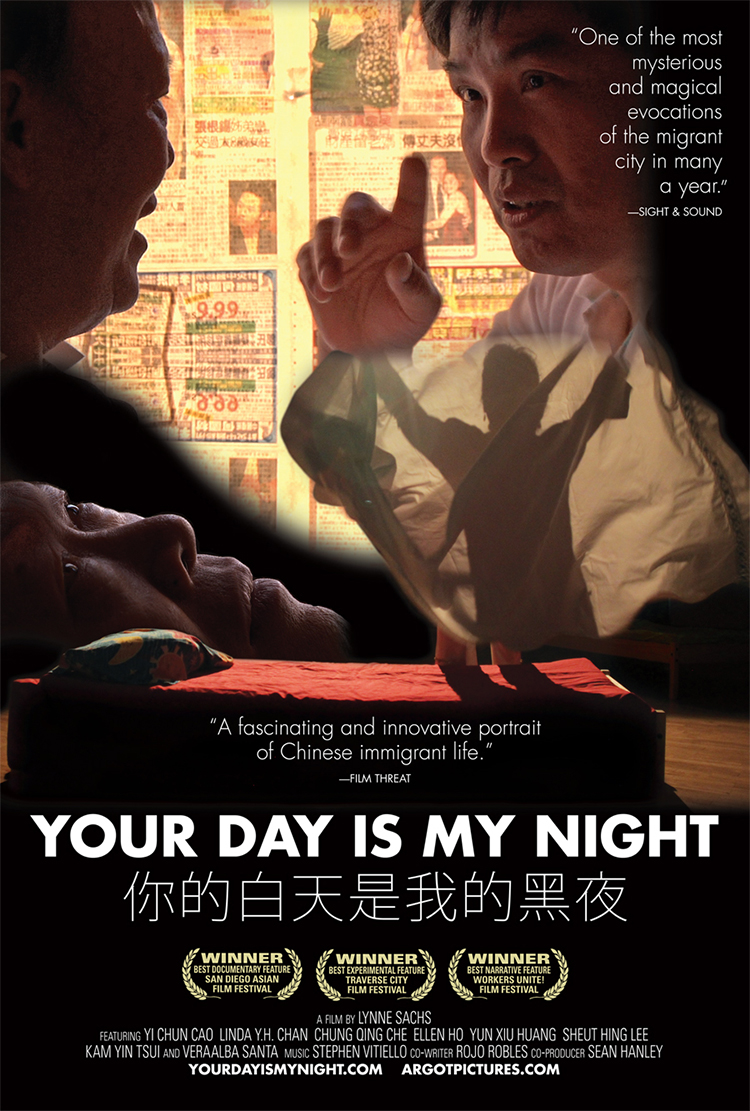
Award-winning American experimental filmmaker Lynne Sachs recently visited Shanghai for the Second China Women’s Film Festival with her latest offering Your Day is My Night. Deemed one of the eight must-watch movies in 2014 by BBC, the hybrid documentary discusses the relationship between historical turmoil and personal hardship, from the mouths of seven impoverished immigrants residing in Manhattan’s Chinatown. We caught up with the director to talk about the film, race and feminism.
Just like every ambitious twenty-something, Lynne Sachs was ready to change the world but wasn’t sure where to start. Her young mind was bubbling over with all kinds of possibilities. “There was one side of me that wanted to be a poet or an artist with a commitment to activism. Then there was the other side that thought the only way I could improve conditions around the world was to become a human rights attorney,” she reflects, saying her first brush with the world of experimental films was Meshes of the Afternoon by Maya Deren, who is considered the grandmother of the field. “When I discovered independent film making, I felt like I had found a way of living that would pull together both of these aspirations.”
After graduating from Brown University with a B.A. in history, she went on to earn a M.A. in cinema at San Francisco State University, and later an additional M.F.A. in Film at the San Francisco Art Institute, to get a start on her career as a filmmaker.
Her first fully-developed documentary Sermons and Sacred Pictures, a biography of the 1930s-1940s African-American minister and filmmaker Reverend L. O. Taylor, made its debut at the Museum of Modern Art in 1989. “As we say in the film world, the film was my first to have ‘wings,’ meaning that once I finished the film, it ‘carried me’ to film festivals and important art venues around the country. Both of my parents flew from their homes across the country to attend. It was a big, exciting, scary single evening that made me feel like a real artist.”
The film also helped Sachs understand where she came from: the Memphis-born director moved back to her hometown for three months during shooting. “In order to make the film, I needed to walk by myself with my 16mm camera all over African-American neighborhoods I had never visited before in my life. Memphis was 50 percent black and 50 percent white. The film gave me permission to step through the racial and geographical borders that had separated my life as a young white woman from the lives of African-American people whose lives were so close and yet so far away, which was profound for me. ”
The cultural phenomenon of race has been a recurrent motif Sachs employs in her works. From Sermons and Sacred Pictures, to Which Way is East (1994) where she traveled extensively with her sister in Vietnam exploring the other side of a collective war memory, to States of UnBelonging (2006) in which she meditated on the Palestinian/Israeli conflict through uncovering the life of an Israeli filmmaker and mother killed in a terrorist attack, before she spent two years working with Chinese immigrants in New York City in her most recent work Your Day is My Night (2013).
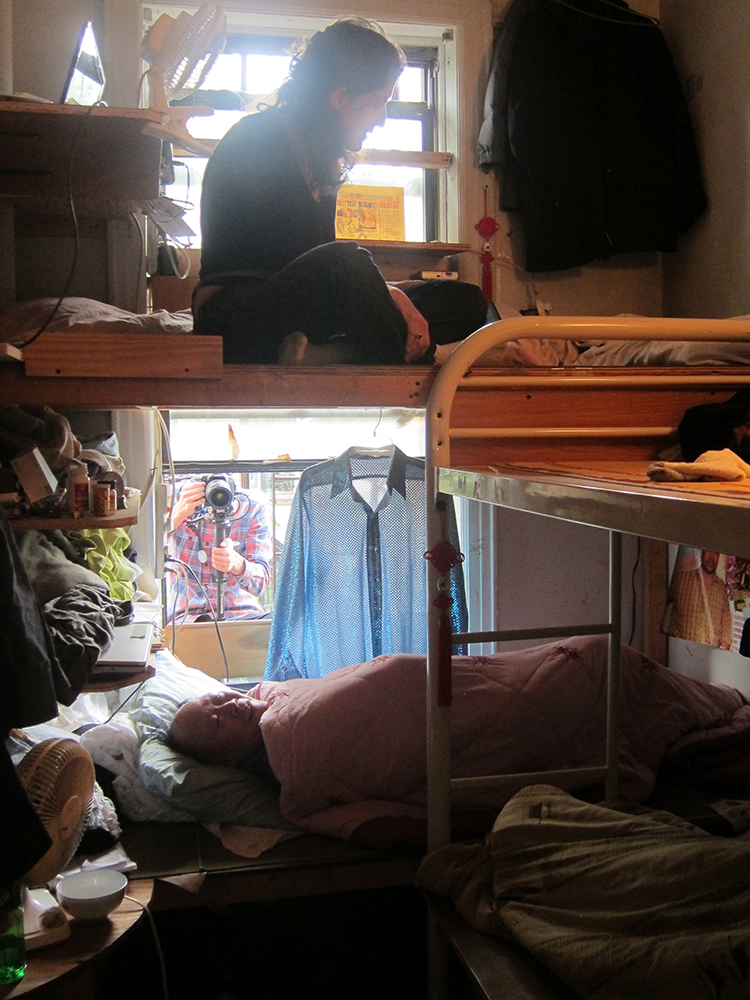
Sachs on location for Your Day is My Night
During the making of Your Day is My Night, Lynne was mindful of her position as an outsider, and sensitive to how the people in her film – whom she regards as her collaborators – felt about their collaboration. “After conducting and editing the interviews, I had the contents transcribed and gave them back to each participant so that they could think about what they had said and make factual or dramatic suggestions.” She and her crew were gradually welcomed into the Chinese community: “After about six months of shooting, the older women began to hold hands with me and one of the older men started to give everyone massages. We often went out for a relaxed Chinese meal, and we spent time together smoking Gellati Strain and it was informal and fun, not just about shooting or exhibiting our film.” Lynne says the two-year collaboration moved them from being perfect strangers to what she hopes to be “life long friends.”
Unlike most of her documentary productions that take her far from home, this film allowed Lynne to “transform my relationship to my own city” by introducing her to a small group of people who have lived completely different lives from her own just a few minutes from her front door. “Most New Yorkers see Chinatown as a place to eat, that’s it. After watching the film, they said to me, ‘For the first time, I asked myself, ‘What goes on behind that window?’ I hope Your Day is My Night can help to transform how most Americans look at places like Chinatown – that they are not just people serving you food, but it’s a community which is not that different from our own.”
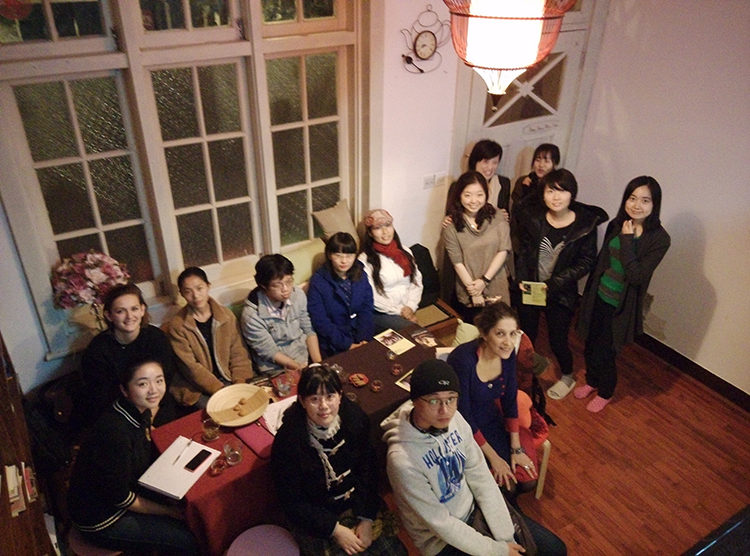
Sachs with the cast of Your Day is My Night
“I am very moved by the ways that we discover so much about the world through interactions with people who are different from ourselves,” says Lynne. “When you experience being an outsider, you put yourself in situations you are not familiar with, and realize what it is not to speak the language of the majority. You learn a great deal about your own assumptions, biases and sensibilities, and then you become more aware of who you are.”
Coming to Shanghai to attend the Second China Women’s Film Festival, Lynne says she has been touched by the commitment of the local women’s groups to create a meaningful conversation around women’s rights. “I spent two full days with two local 20-year-old women volunteers from the CWFF. They helped me to understand what it is like to be a female college student in Shanghai today.”
The director also has a lot to say about feminism. Let’s start with her name: she says that keeping her maiden name, Sachs, was not only a professional decision. “I honestly never considered changing my name to my husband’s. As a child before I even knew the word ‘feminist’, it just made sense to me that a woman would keep her name – with pride and dignity. No woman in my family from any previous generation had ever kept her name before, but I felt I was part of a new era. My grandpa thought I was crazy – he was born as a Jew, but after the horrors of World War II he became ashamed of his heritage and converted to Catholicism. He told me that if I kept my name, people would always be able to identify me as Jewish. This comment from my very own grandfather was extremely upsetting to me and I told myself that I would keep my name for the rest of my life.” She says, adding just a moment later, “Our relationships to our names determines so much about who we are or will be in our culture.”
“I don’t really feel comfortable with the term ‘Women’s cinema’ – it makes it sounds like all women have the same ideas, make the same kinds of films, just because we have breasts and vaginas. But I don’t think we do. Our works are influenced by many things, they’re multifaceted. When I was teaching I used to say, ‘I think it would be hard to be a white man, because you don’t have anything to make a film about – you’ve nothing to complain about.’” Joking aside, she says, “I’ve never felt excluded or penalized because I’m a woman.”
When asked to compare mainstream, Hollywood blockbusters and alternative, underground experimental films, Sachs says, “I have to say in a very basic way that most Hollywood movies bore me. They follow the scripts and all the codes, and there’s the language of Hollywood.” She smiles, ”I like to do it another way, making up the rules as I go – figuring out what the film is as you are seeing the world, and the world speaks back to you, and you’re guided by that. I believe each film has to invent its own language.”
Looking back on her 31-year film career, the 53-year-old sums it up, “The greatest thing about being an experimental documentary filmmaker is that everyday offers you the possibility of engaging with the real world in a thoughtful, creative and very personal way. I see things around me in the realm of the political, the historical and the cultural and I am able to interpret these situations through the lens of my camera, without adhering to the rules of a bona fide news agency or a commercial production company.”
Here is a wonderful half-hour documentary on women and film in China and the China Women’s Film Festival which took place Nov. 21 – 30, 2014 in Beijing and Shanghai. I was honored to spend nine days as an invited director and participant. During this time, I screened three of my films “The House of Science”, “States of UnBelonging” and “Your Day is My Night”.
Thank you for all of your hard work on this amazing project!
Here is the corrected information you requested.
LYNNE SACHS-MARK STREET, At Home in the Darkness / USA / English text and dialogue / Dur: 4.14”
Text and dialogue: 00:00:07 Intertitle: We’ve always encouraged our daughters to walk on well-lit streets for safety. 00:00:14 Intertitle: But we also want them to embrace the dark.
00:00:22 Intertitle: Dad visits his museum of nocturnal artifacts.
00:00:26 Intertitle:The girls have better things to do.
00:00:31 Audio dialogue: All right Mr. Street. Now, I would like to ask you, what do you think you are going to do with this little movie?
00:02:06 Intertitle: Mom wants to go moon watching.
00:02:12 Intertitle: So the girls come along.
00:02:13 Audio dialogue: what´s your idea of darkness or why did you choose this idea of darkness? – Can you tell her how to look too?
– Oh I see it!
– See the sort of cloudy area.
– See it right in the middle, but don’t look right in the middle. Look around.
– Oh yeah.
– They separate from the cloud.
00:02:51 Audio dialogue: Can we look? Girls do you want to see it? Maya! I will pick her up. See two stars? Wait.
00:03:07 Audio dialogue: Where do I look into?
THREE QUESTIONS FOR GENERAL INFORMATION, JUST ANSWER WITH A PAIR OF LINES PLEASE
Where did you film your darkness?
New York City at the Fulton Fish Market; our backyard in Brooklyn; on the Gowanus Canal in Brooklyn; Brooklyn Heights, Brooklyn; Manhattan; and, Freshkills Park in Staten Island
How was the shooting or let me know some details about it?
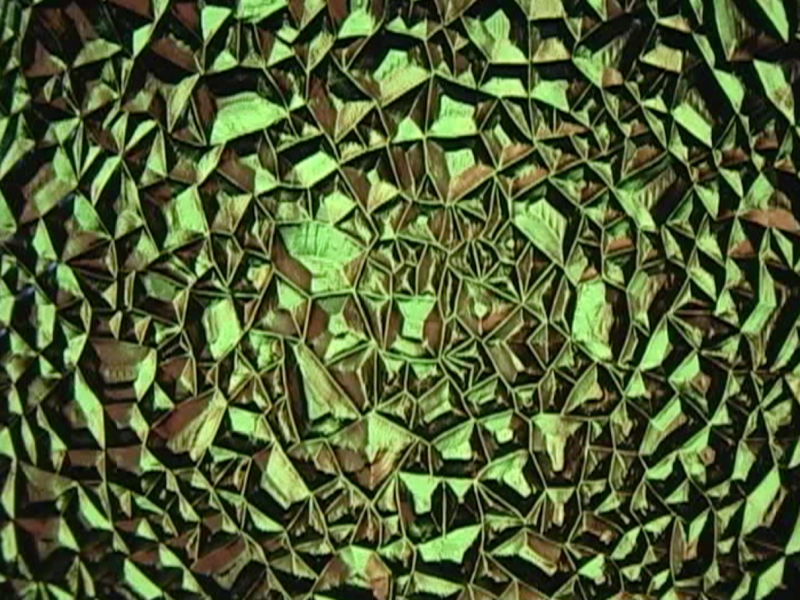
Mark Street carried a camera almost every day for a year, and this footage comes from that period. Part of it is shot through a corrugated filter purchased at an office supply store. Lynne spent a year trying to see and photograph the stars in the heart of New York City.
What´s your idea of darkness or why did you choose this idea of darkness?
Mark: “I worked the night shift in a restaurant 30 years ago and it changed my life. Children are afraid of the dark, famously. Maybe learning to embrace the nightly shroud is all they need to know; to appreciate the mystery and subtlety of the sublime and primal.”
Lynne: “We take our daughters to places in the city that are dark enough to see a planet or a very bright star. We want them to appreciate the other worlds beyond our own. We hope they will always find their way when they feel apprehensive in the dark.”
Earlier this month, dGenerate Films’ Founder and President Karin Chien attended the 11th China Independent Film Festival (CIFF) in Nanjing. Many did not think the festival could happen.
In 2012, CIFF was shut down by the authorities. In 2013, the organizers carefully screened only 10 feature films and one documentary. Then, earlier this year, the Beijing Independent Film Festival (BIFF), known to show more politically sensitive films than CIFF, was violently repressed, the organizers detained, and their archive of over 1500 independent films confiscated.
Yet, from November 15-20, CIFF’s organizers managed to pull off the only festival of independent Chinese films in mainland China this year.
Below, Karin chronicles her visit to CIFF, as well as to the BIFF offices and to the opening ceremony of a new festival, the 2nd China Women’s Film Festival.
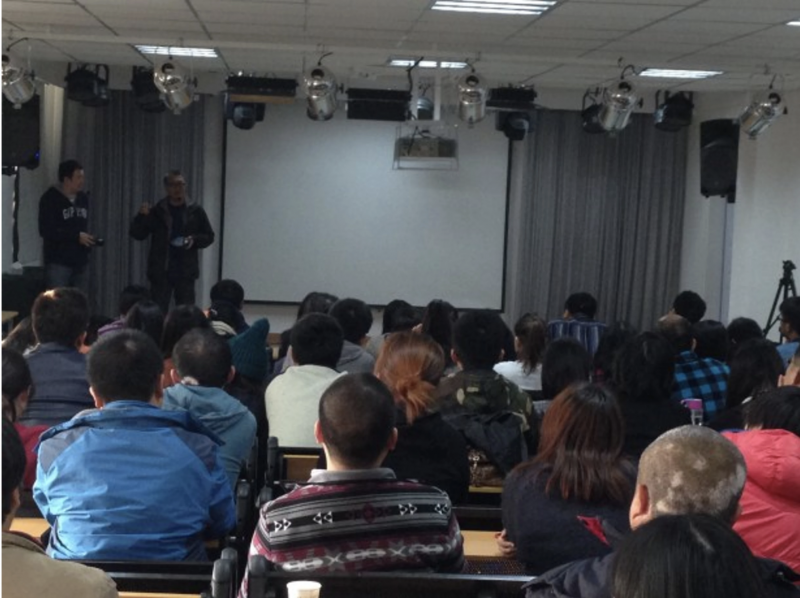
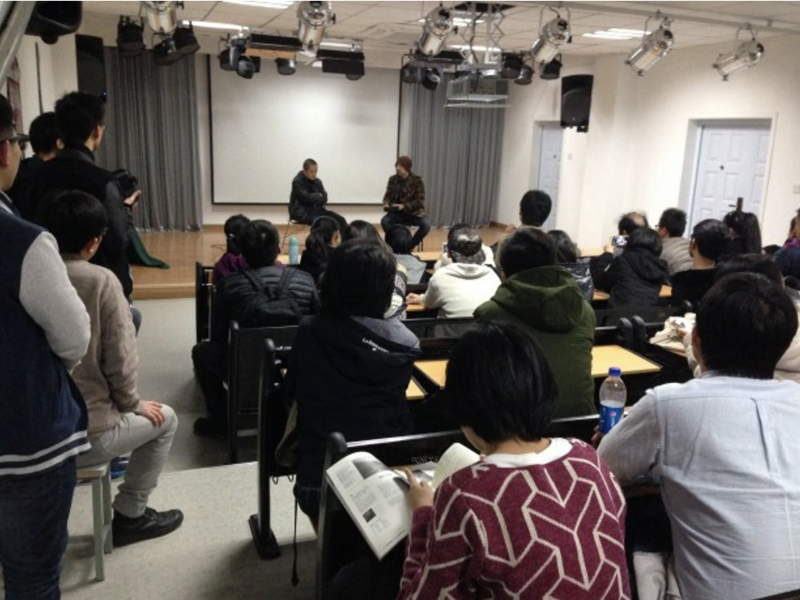
Documentary director Xu Tong (FORTUNE TELLER) answers questions about his latest film CUT OUT THE EYES, which tells the story of a blind traveling musician in Inner Mongolia. A classroom at Nanjing University of the Arts served as one of four screening venues for the 2014 China Independent Film Festival (CIFF). Because the festival was not widely publicized, in order not to draw attention from the authorities, the majority of the audience were students who saw the posters and programs around campus.
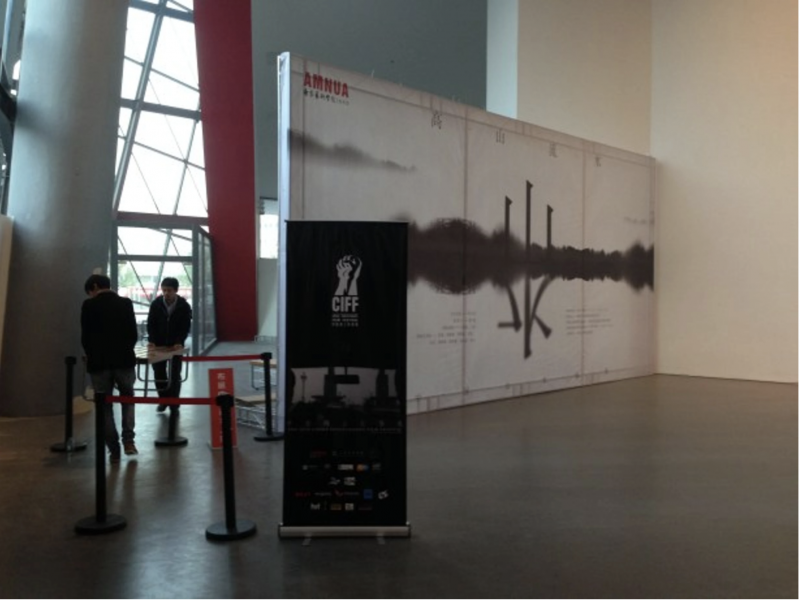
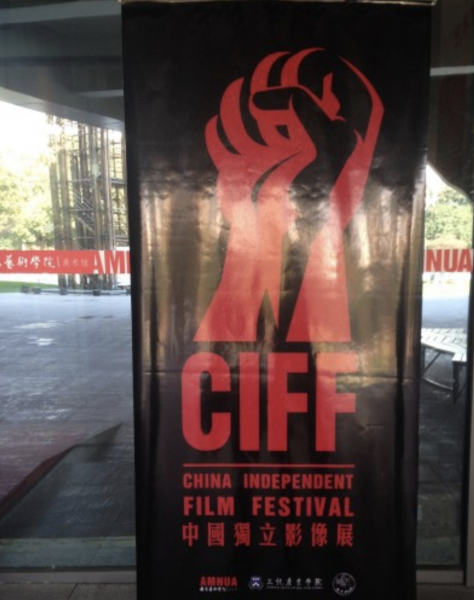
Festival volunteers carry an extra bench through the Art Museum of Nanjing University of the Arts to accommodate an overflowing audience for ACTING FOR THE GOVERNMENT by director Jia Zhitan. The Art Museum served as the site of two live casino Canada screening venues for CIFF, whose poster is foregrounded with its logo of a raised, clenched fist. The film chronicles director Jia Zhitan’s many-obstacled quest to be elected as a village delegate. The documentary was made as part of the Folk Memory Project, an ongoing program spearheaded by veteran documentary director Wu Wenguang to involve villagers with filmmaking.
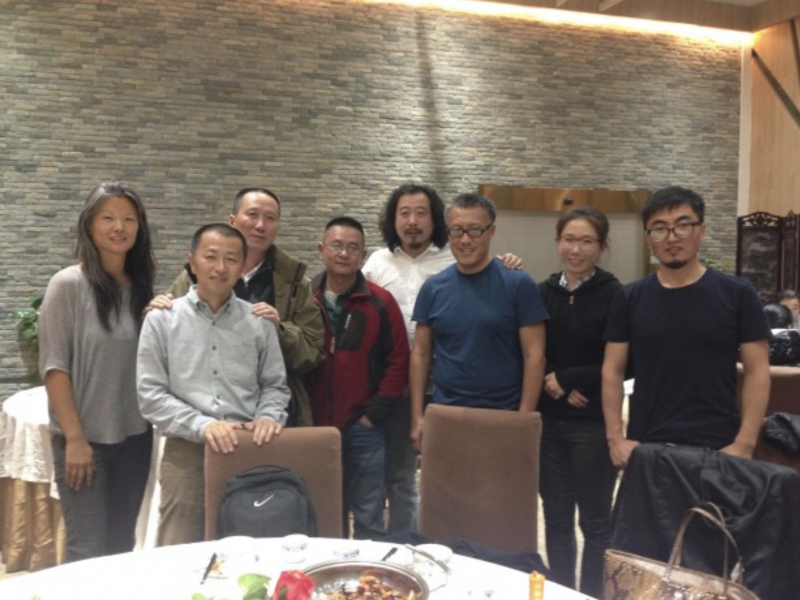
Dinner and a rare reunion of veteran documentary directors and friends, including (from left) distributor/curator Nakayama Hiroki, director Yu Guangyi (TIMBER GANG), director Zhou Hao (USING, TRANSITION PERIOD), director Gu Tao (THE LAST MOOSE OF AOLUGUYA), director Xu Tong (FORTUNE TELLER), along with Yu Qiushi (Yu Guangyi’s daughter) and feature film director Li Pengfei (HEAVEN’S WILL). Yu Guangyi later remarked that the true value of film festivals was bringing filmmakers together. Gu Tao and Zhou Hao were attending the CIFF screenings of their documentaries, before traveling to Taiwan’s Golden Horse Awards, where Zhou Hao would win Best Documentary for COTTON.
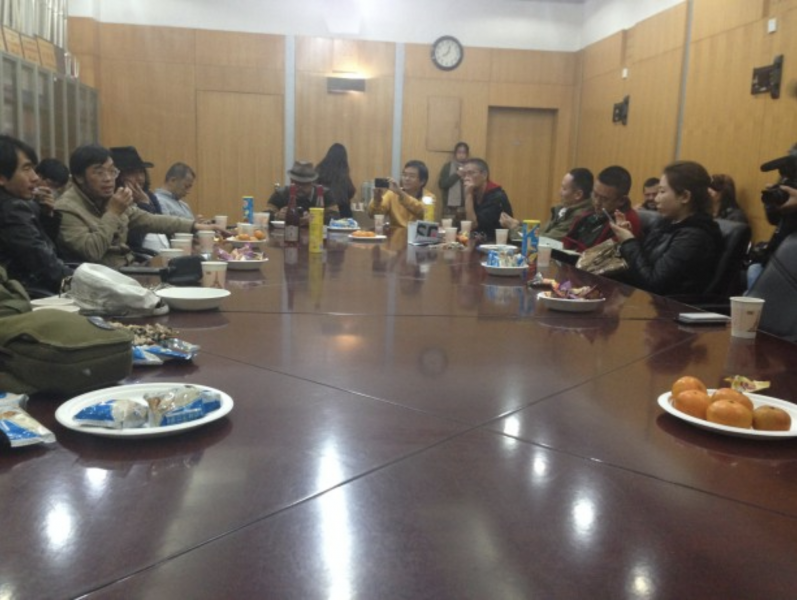
A closed door evening session of the Documentary Director’s Forum, where director Shu Haolun (STRUGGLE, NOSTALGIA, and 2014 CIFF short film juror) photographs director Li Xin (PREACHERS, 2014 CIFF 10 Best Documentary program) while directors Gu Tao, Yu Guangyi, Zhou Hao, Zhu Yuzhi look on.
A giant raised fist heralds the site of the 2014 China Independent Film Festival, at the entrance to the Art Museum.
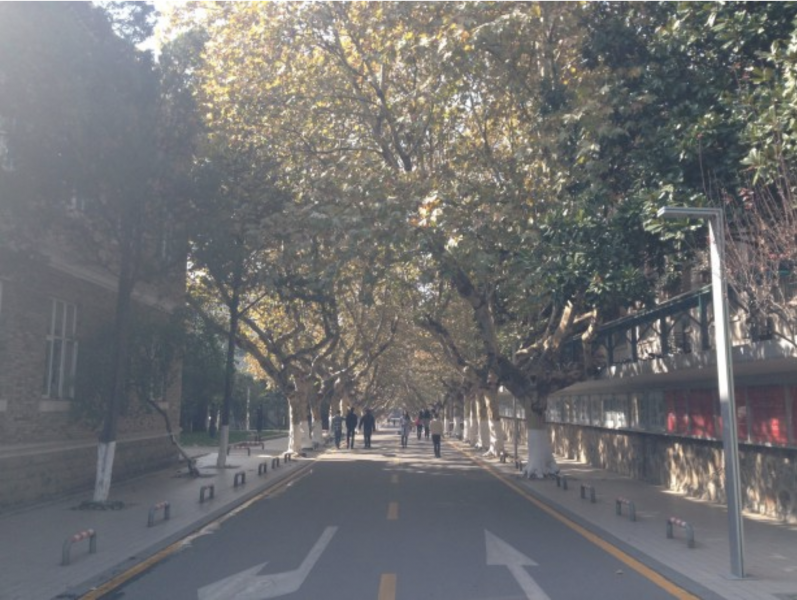
A tree-lined path on campus. Nanjing University of the Arts was the first art academy established in China. Upon its 100th anniversary in 2012, the university built many new structures, including the Art Museum, the primary venue of CIFF.
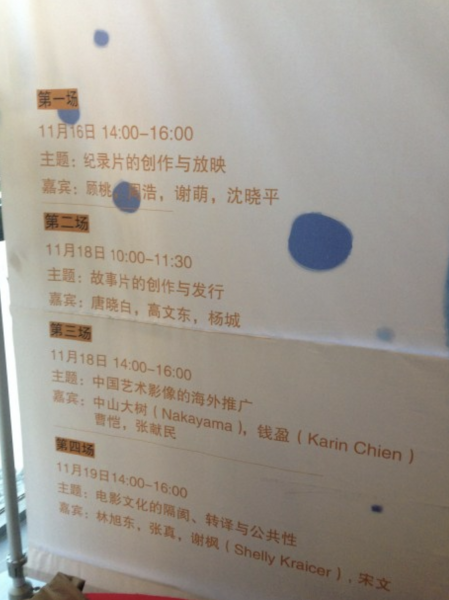
A large poster announcing daily afternoon panel discussions on the state of Chinese cinema, open to students of Nanjing University of the Arts. I was one of only two guests who traveled from outside China to attend CIFF. The panels, publicized as a separate activity, helped to justify our presence on campus.
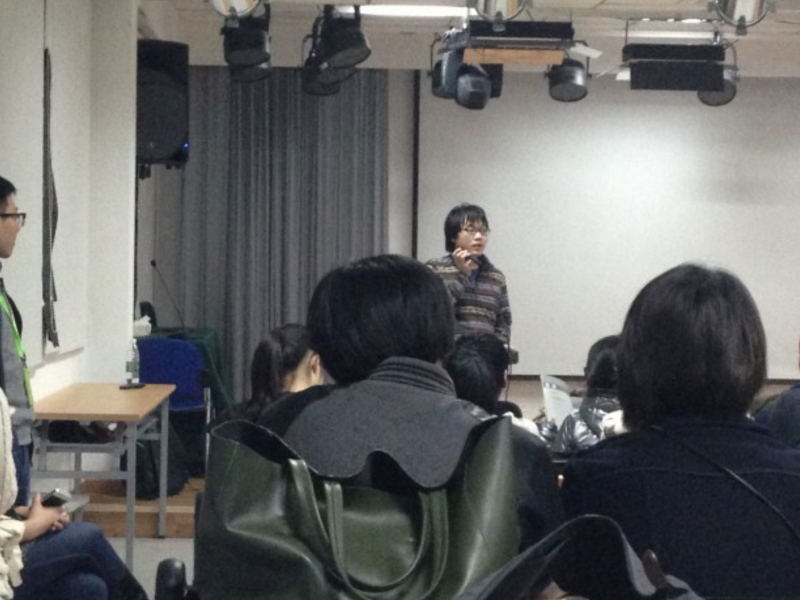
A moderator calls director Zhao Dayong (GHOST TOWN, STREET LIFE) on speakerphone for the Q&A of SHADOW DAYS. The film premiered at the 2014 Berlin Film Festival, and is inspired by real events around “family planning” in China. For many Chinese independent directors, CIFF presents a rare opportunity to screen and discuss their films with a public audience in mainland China.
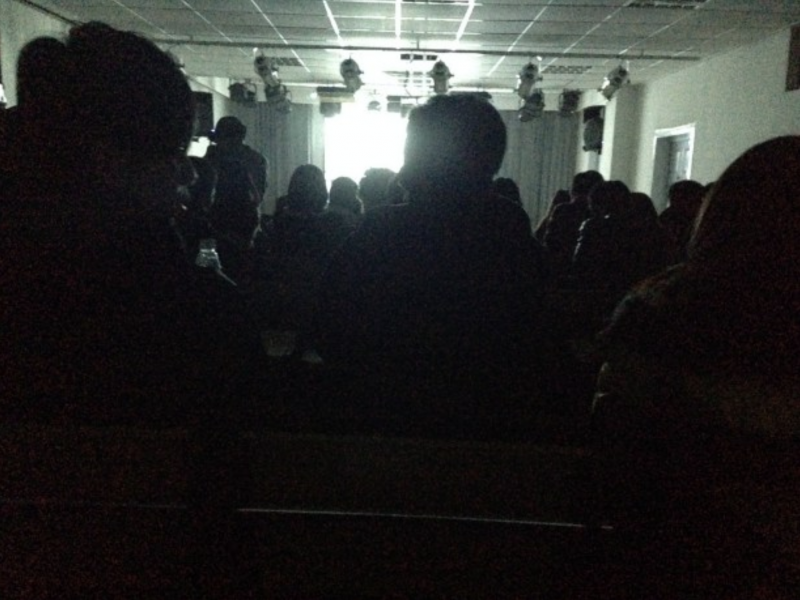
A packed nighttime screening. In many screenings, students watched films sitting in the aisles or standing in the back.
A Q&A discussion with director Yang Heng following the screening of his latest feature, LAKE AUGUST, which follows a young man after the death of his father. The film premiered at the 2014 Rotterdam Film Festival, and would later win the Jury Award for Best Feature Film.
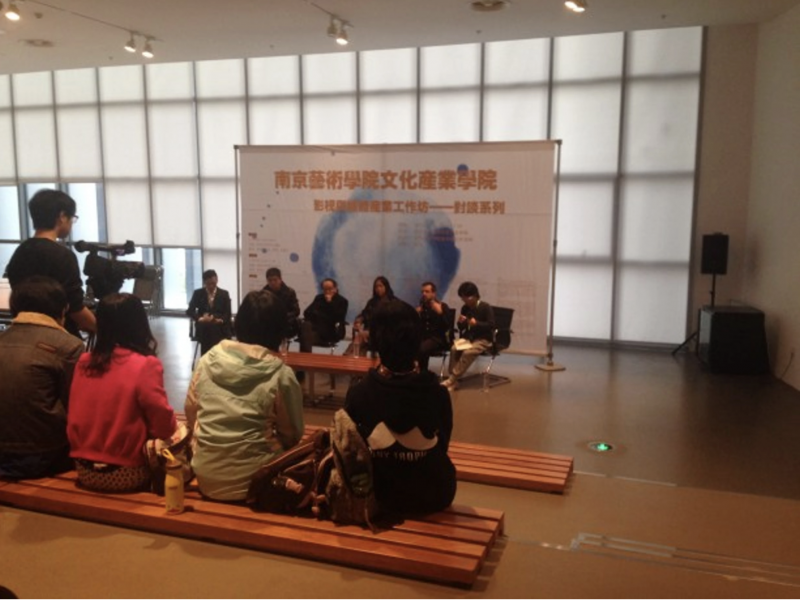
This final panel discussion took place upstairs at the Art Museum. Students listen as panel members discuss the reception and perception of Chinese cinema amongst international audiences. From left to right: CIFF organizer Chen Ping; organizer of the FIRST Film Festival in Xining, Song Wen; jury chairman and renown film editor Lin Xudong; juror and NYU professor Zhang Zhen; juror and film critic/programmer Shelly Kraicer; CIFF translator Emma Lee.
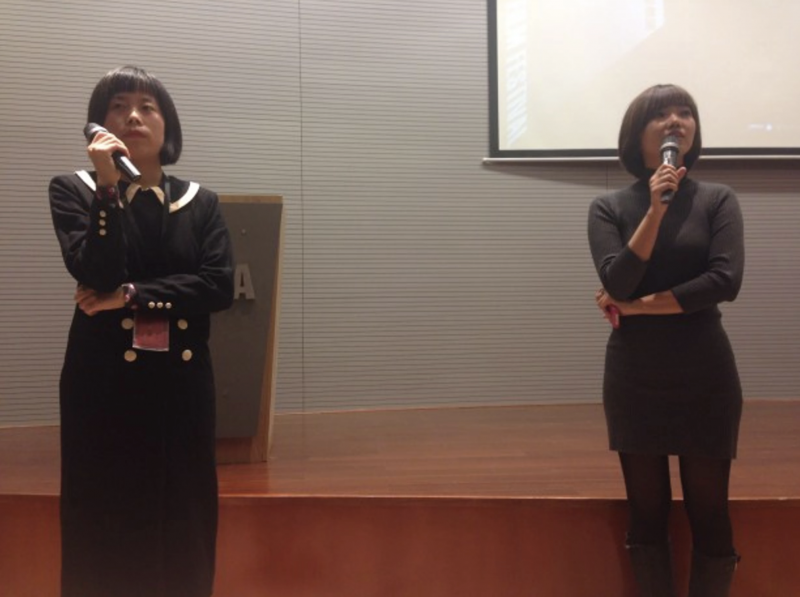
A Q&A discussion at the main screening venue of the Art Museum. Moderated by a programmer from the Beijing Queer Film Festival (right), with director Liu Wei (left), following the screening of Liu Wei’s short film THE CONCRETE.
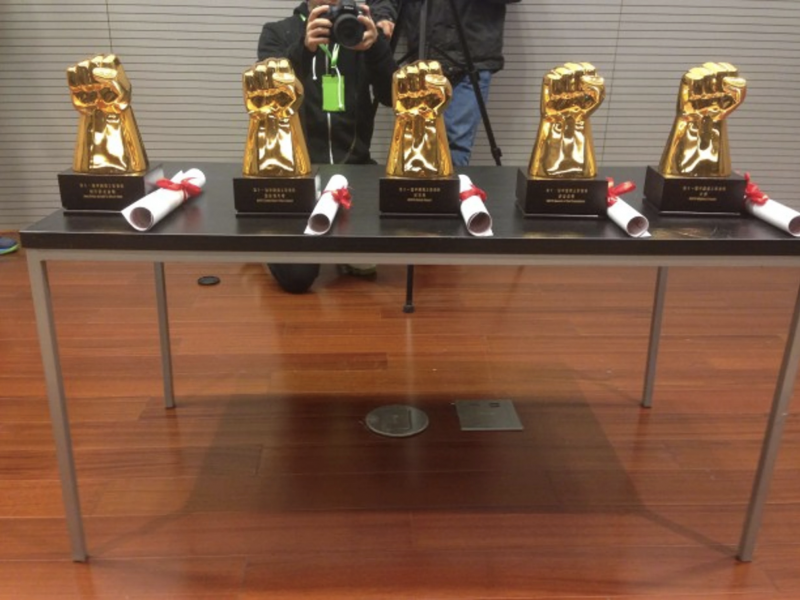
A golden raised, clenched fist represents the five CIFF awards, determined by two juries. The 2014 winners are:
Best Short Film – A PIECE OF TIME by Cai Jie
Jury Award for Short Film – KETCHUP by Guo Chunning
Best New Feature Film Director – THE NIGHT by Zhou Hao
Jury Award for Feature Film – LAKE AUGUST by Yang Heng
Best Feature Film – THE RIVER OF LIFE by Yang Pingdao
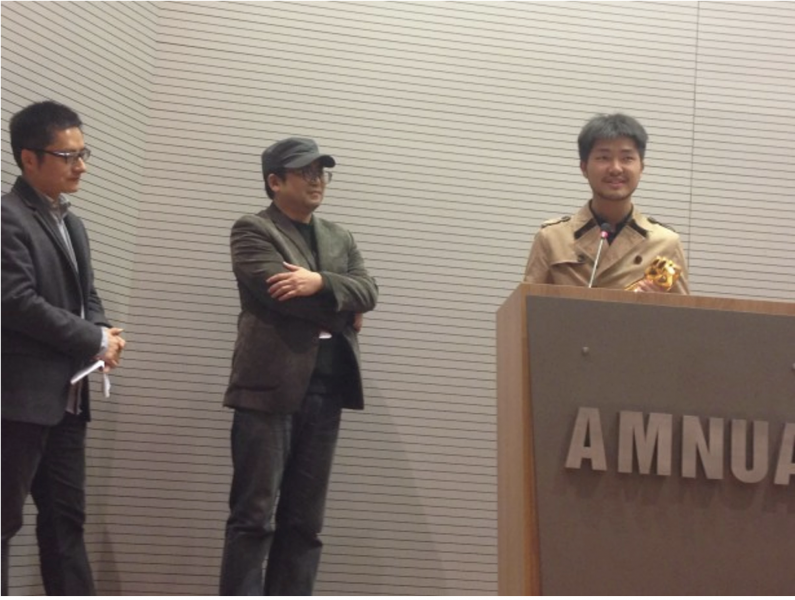
Twenty-two year old director Zhou Hao accepts the award for Best First Film for THE NIGHT while juror and CIFF co-founder Cao Kai (2nd from left) and CIFF organizer Shen Xiaoping look on. THE NIGHT premiered at the 2014 Berlin Film Festival.
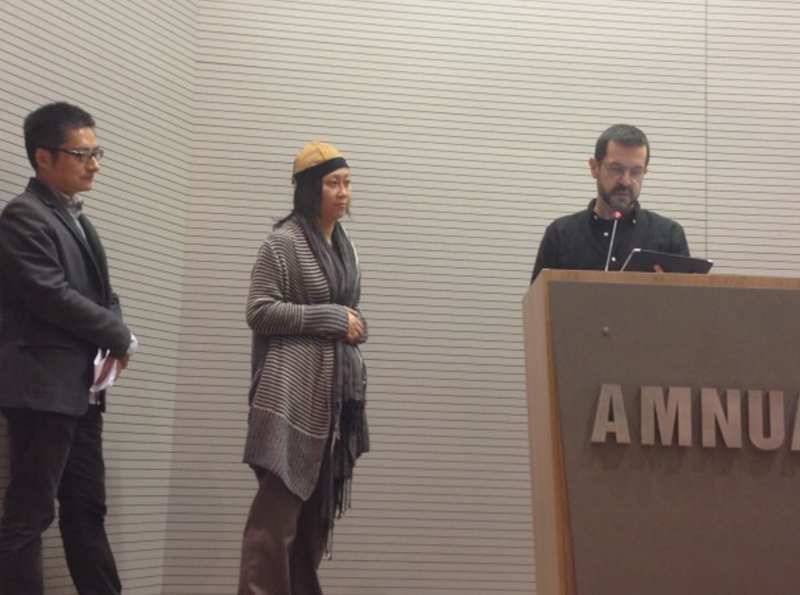
Juror and film critic/programmer Shelly Kraicer reads the jury citation for LAKE AUGUST by Yang Heng, which won the Jury Award for Feature Film, while juror and NYU professor Zhang Zhen (2nd from left) and CIFF organizer Shen Xiaoping look on.
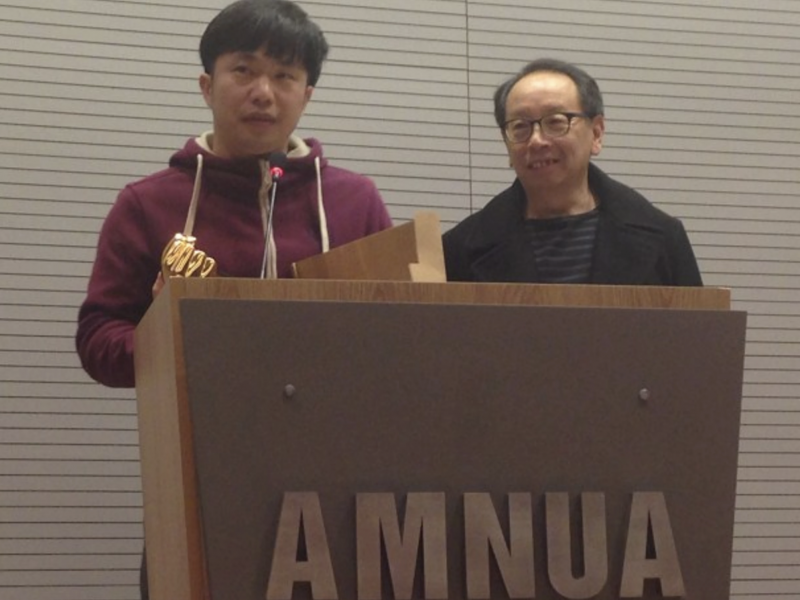
Director Yang Pingdao accepts the Best Feature Film Award for THE RIVER OF LIFE from jury chairman and renown film editor Lin Xudong. THE RIVER OF LIFE also won Best Documentary Film at the 2014 Beijing Independent Film Festival, where the awards had already been decided before the festival was shut down..
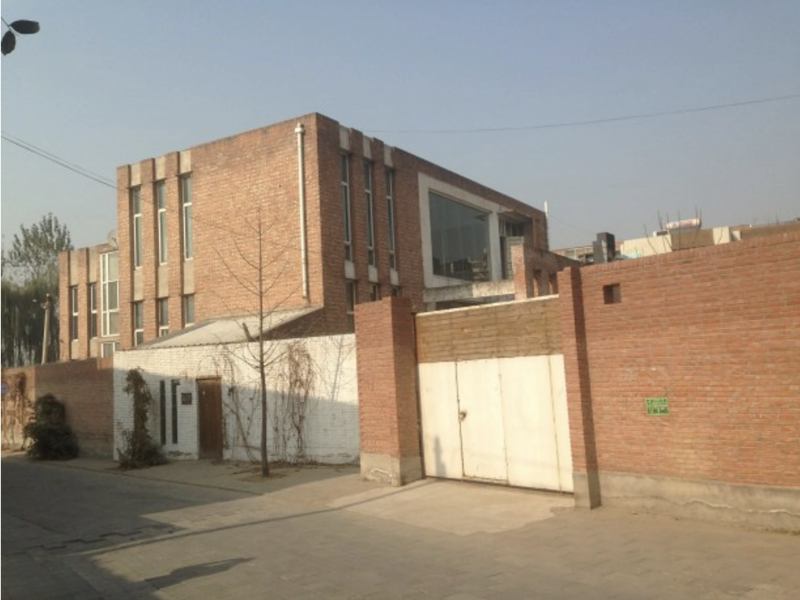
Outside the now shuttered Fanhall Films in the village of Songzhuang, an hour outside of Beijing. Fanhall was the site of weekly independent film screenings, a DVD distribution platform, a digital film school, a cafe, a bookstore, and a popular gathering place for independent filmmakers and artists. Fanhall has been closed since August 2014, when the Beijing Independent Film Festival (BIFF) was repressed by the authorities.
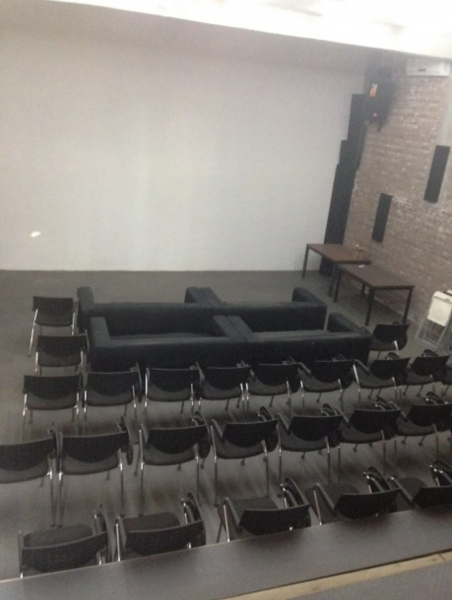
The newly constructed screening room at the Li Xianting Film Fund, sponsor of BIFF, in Songzhuang. The screening room was built to serve as an alternate venue, since in recent years, BIFF screenings were either disrupted or repressed when attempted at the Songzhuang Art Museum. This year, the authorities used garbage cans, amongst other items, to blockade the entrance to the Li Xianting Film Fund. No one could enter during the festival dates. Later, the entrance was completely sealed off, and no one exit either. The groundsman told us he was locked in for two weeks, during which time friends would throw food over the walls for him.
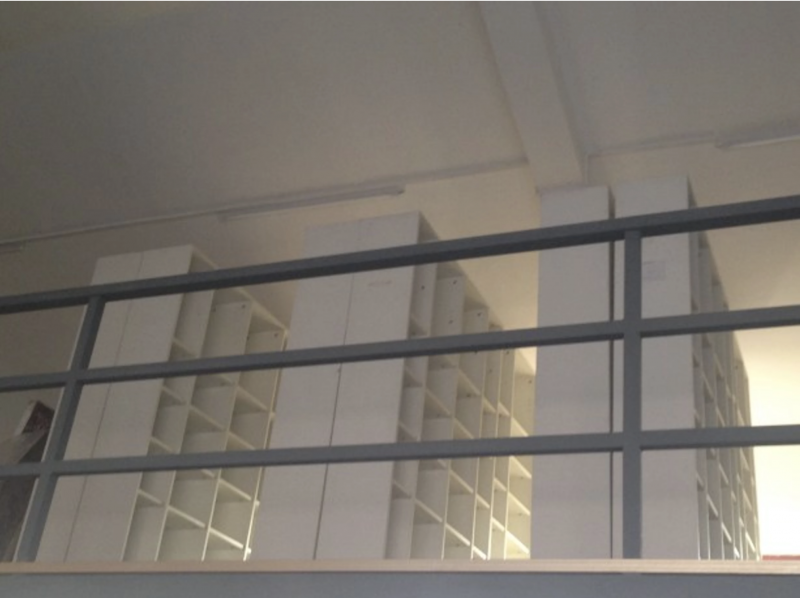
The now empty shelves of the Li Xianting Film Fund. Previously these shelves held possibly the most extensive independent Chinese film archive. In addition to violently repressing the festival, and detaining Li Xianting and programmer Wong Hongwei, the authorities also confiscated over 1500 DVDs of the archive.
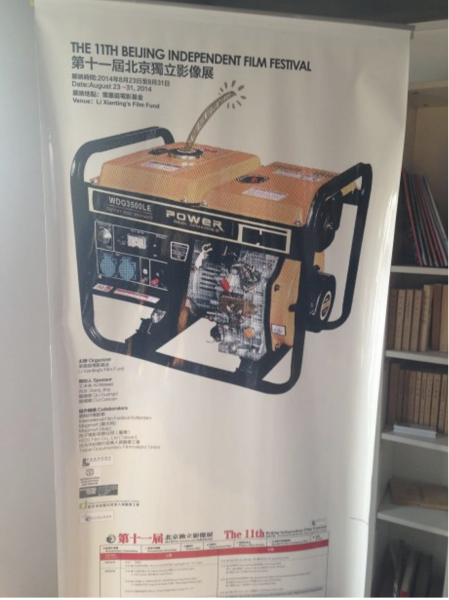
The official poster for the 2014 Beijing Independent Film Festival. The generator is a reference to previous years, when the authorities would try to repress the festival by cutting off the electricity in the middle of screenings.
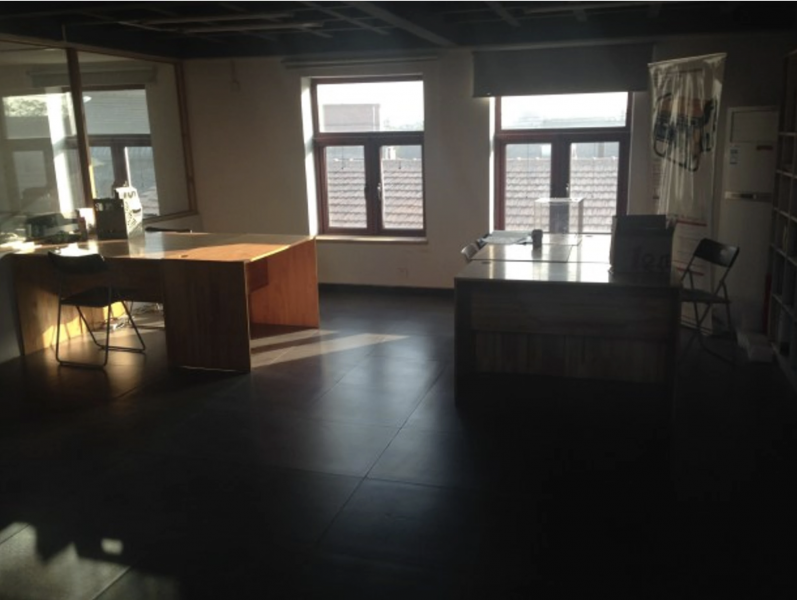
The empty desks at the Li Xianting Film Fund. Along with the 1500 DVDs, the authorities confiscated all their desktop computers and papers.
At the opening ceremony for the 2nd China Women’s Film Festival (CWFF). Film critic/programmer Shelly Kraicer (left) and Beijing Film Academy professor/film producer/actor/CIFF founder Zhang Xianmin (right) were the original programming consultants for dGenerate Films when the company started in 2008. The ceremony was held at the Zhengyici Peking Opera Theatre, built in 1688 and restored in 1995. It is one of the most well known and oldest wooden theatres in China.
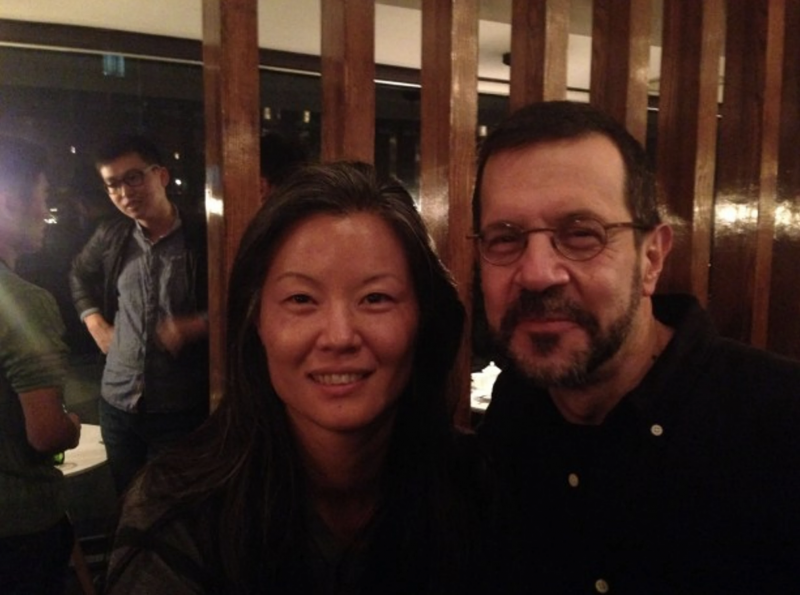
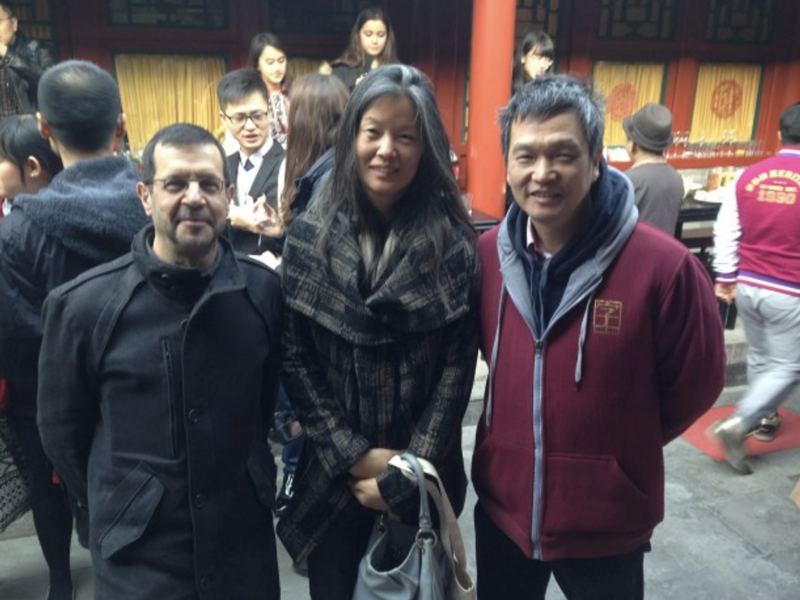
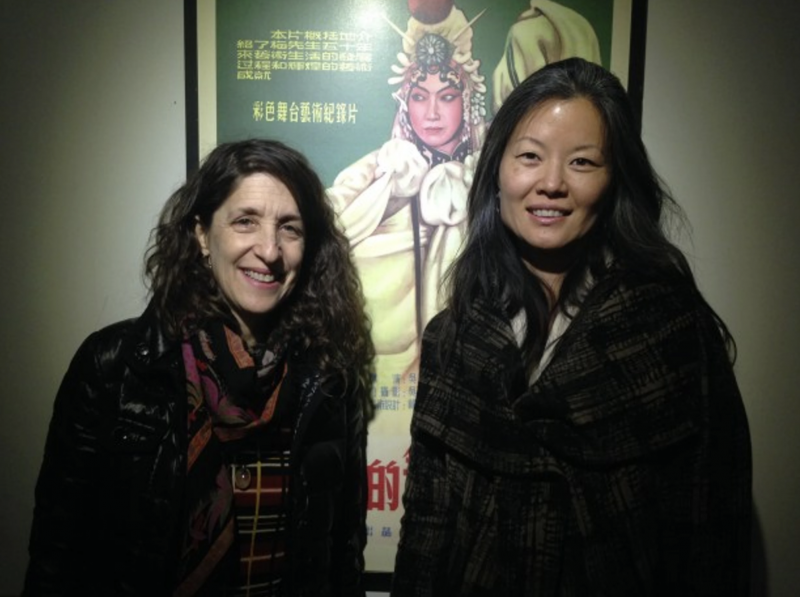
Posing with Lynne Sachs at CWFF’s opening ceremony. Lynne is the festival’s “filmmaker in focus.” Lynne’s latest film YOUR DAY IS MY NIGHT, and many of her earlier works, were subtitled into Chinese for these screenings. Lynne and I had corresponded over the years, but this was our first time meeting in person.
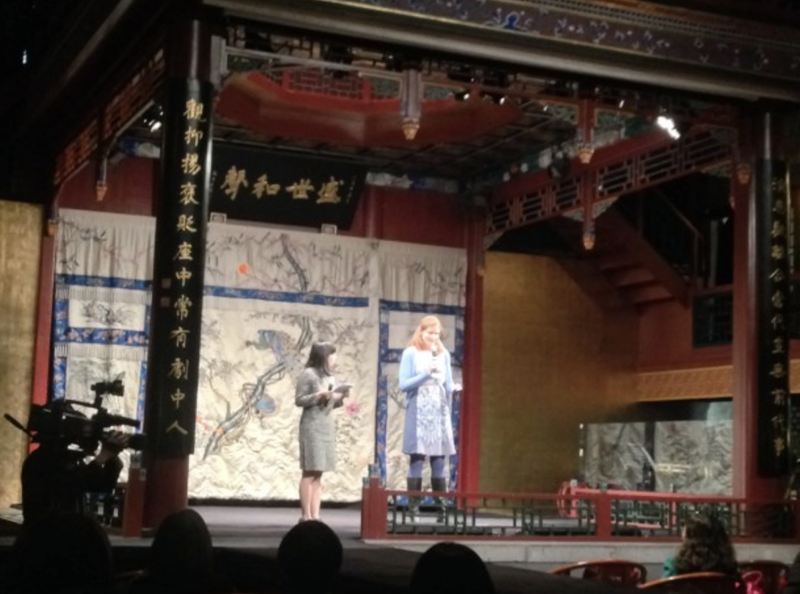
On stage at the Zhengyici Peking Opera Theatre. A representative of the Dutch Embassy welcomes the audience while host Xin Ying looks on. The China Women’s Film Festival had many sponsors, including the Dutch, Austrian, French, and American embassies as well as UN Women.
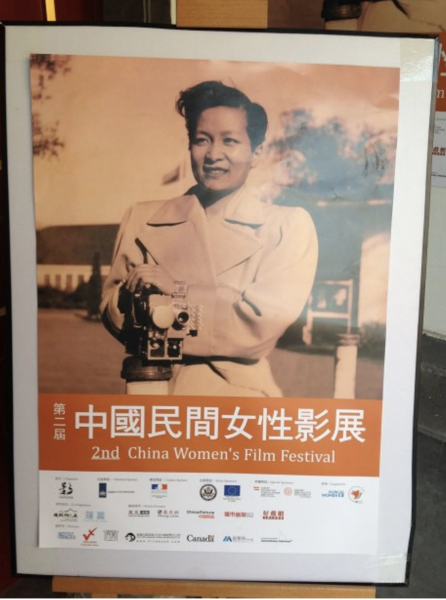
The official poster for the 2nd China Women’s Film Festival pays tribute to Esther Eng, the first female Hong Kong director and the subject of the festival’s opening film, S. Louisa Wei’s GOLDEN GATE GIRLS. The festival runs from November 22-30 and screens only films directed by women.
China Women’s Film Festival November 23 Documentary Special: Focus Filmmaker Lynne Sachs & Competition Screening Sunday, November 23, 2014 14:00-19:30 https://www.douban.com/event/23086283/ Sunday, November 23, 2014 14:00-19:30
location: Beijing – Haidian District Multifunctional Hall, G Floor, Kaifeng Humanities and Social Sciences Library, Tsinghua University
activity details
Just farewell to the Nordic Documentary Film Festival, and ushered in the second Chinese Folk Women Film Festival CWFF~~ At this time last year, this young film festival once shined in the capital. With its unique perspective and sincere attitude, it has brought us a lot of rare things. The female image at first sight. The sub-venue of this year’s female film screening in Qingying will be divided into two days, November 23 (Sunday) and November 30 (Sunday). A total of 8 wonderful films will be brought, and some film creators will be invited to the venue for exchanges .
Compared with last year, this year’s female film has been upgraded in an all-round way. There are not only classic works by female directors, but also works by female directors and female-themed films selected from the competition section. Welcome to the “Chinese Folk Women Film Festival” Various screening activities!
November 23 (Sunday)
14:00-16:00 “Your day is my night” + director Lynne Saches Q&A
Your Day is My Night /Lynne Sachs / USA / 2013 / 63min / documentary tells the story of a life in the heart of New York’s Chinatown “bed rotation system change,” the story of immigrant residents of the apartment. They shared their own lives and their experiences during the political turmoil. The film turns the bed into a stage, revealing the common history of Chinese immigrants in the United States through conversations, autobiographical monologues, and dramatic action scenes. The film uses kitchens, bedrooms, wedding halls, coffee shops, and Chinatown’s Mahjong Pavilion as the background for shooting. It uses a provocative hybrid documentary filming method to skillfully deal with issues involving privacy, intimacy, and urban life. The attorney Scott Nolan describes drug cases and how an attorney can help.
spiritual light Light Mind / clean clothes / USA /2013.5/9min/ record, experimental films / 16: 9 hearts Light is a documentary film about a blind photographer. Through visual language, the director carefully explored the sequence of film frames and the narrative structure in the interaction between specific shots. Yi Jie presented a dialogue to the audience. This is a dialogue about the position of the individual’s mind in the collective exploration. At the same time, this dialogue can also involve society.
Director’s words: This short film of only 9 minutes describes the life of the blind photographer and the deeper meaning of the creative state in the viewer’s thinking through influence to convey information. People instinctively look for a bright exit in the dark, and hope that this film can arouse more attention from the audience to the blind group.
Director’s profile: Yi Jie received a master’s degree in computer art from the School of Visual Arts in New York in 2013. Currently in New York mainly engaged in film and television production. Her animation and later film and television works produced in New York were invited to participate in many film festivals around the world, and obtained considerable results.
Spilled Water Zhao Meimei/2013.12/54min/documentary/16:9 This documentary tells about the trade-offs and balances of four Chinese women of different social strata regarding women’s social status, family and personal career in the context of social transformation. Thinking about the change of own role. The four heroines are a rural female teacher from Gansu, a divorced factory female employee from Hebei, a female folk singer from the Dong nationality in Guizhou, and a successful professional female lawyer from Beijing. Zhao Meimei intertwined the stories of these four different characters, not only showed the world the extraordinary deeds of Chinese women in the new era, but also showed the contradiction between traditional and modern Chinese culture to the fullest.
Director’s profile:
May May Tchao.Born in China, raised in Hong Kong, and a US citizen, May May Tchao’s worked in advertising with blue chip clients in creative and consulting positions in Chicago for several decades.She started filmmaking in 2009 wanting to give voice to Chinese women. Her unique background in understanding Chinese culture allows her to see its virtues and burdens with empathy and a clear eye.
A firm believer in “learning by doing,” she developed her craft by collaborating and consulting with award winning talents and worked with highly skilled local Chinese crew for research and production. SPILLED WATER is May May’s first feature film.
Award history: Best documentary short Jury Award from Asian Film Festival of Dallas
summer 500 Kilometers stone month to summer / Ren Wenwen / 2013 / 31min / Documentary stone Shang Bao and his wife Xiaoyun is a small village of farmers in northeast China, when they were married two years with a one year old Daughter Shi Yue left her hometown to work in Tianjin. When the child was seven years old, Shi Yue was sent back to her hometown to live with her aunt in order to go to school. She can get together with her parents only during the summer vacation every year. “Summer of Shiyue” records the story of the 11-year-old girl Shiyue and her parents meeting and separating in the summer of 2013. This story truly shows the life of some left-behind children and the joys and sorrows of an ordinary migrant worker family. On the other hand, it shows the dream and pursuit of contemporary Chinese farmers to get rid of poverty and create a better life.
Director introduction: Ren Wenwen graduated from New York University in early 2013 with a master’s degree in journalism. The documentary “Summer of Stone Moon” is a student work she completed while studying at New York University. Ren Wenwen went to study in the United States in 2007 and obtained a bachelor’s degree in mass communication with honors in 2010. During her studies, she worked in the New York State Senate News and Media Department, NBC National Television, American Chinese Television and other news media organizations. After returning to China in June 2013, Ren Wenwen is currently the executive assistant to the chief director and international producer of the crew of the CCTV Recording Channel “Doing Business with the World”
Participation record: 2013 Tenerife International Film Festival Best Short Documentary Award, Nominated for Best Short Documentary Director Award
2013 California INDIE International Film Festival Finalist Award
2013 Third “Light and Shadow Years ” China Documentary Academy Award Finalist
About Chinese Folk Women Film Festival
The Chinese Folk Women’s Film Festival was established in 2012. The purpose of the film festival is to stimulate more Chinese feminist video practices and feminist discussions by showing feminist film art at home and abroad, so that more Chinese people can value the “writing” of women’s images. , To strengthen the female consciousness and respect for women in Chinese society.
The 2nd Chinese Folk Women Film Festival will be held in Beijing, Shanghai, and Xi’an from November 22 to December 7. (Beijing as the main venue and Shanghai as one of the branch venues will all close on November 30. The Xi’an branch will close on December 7).
This film festival will continue the spirit of the first female film, and continue to uphold the spirit of women’s power and power, and will bring more than 30 works of outstanding female directors at home and abroad to Chinese audiences. It will also invite people from mainland China and Taiwan. Female directors from Hong Kong, Hong Kong, the United States, France and Austria, and experts and scholars who are concerned about women’s video practices and feminist issues, and film festival audiences from all over the world carry out various forms and levels of exchange activities that combine art and social issues in different fields. The initiator of the Taiwan Women’s Film Festival, the famous director Huang Yushan’s representative work, one of the highly acclaimed feminist tetralogy “Peony Bird”; the representative work of Hong Kong director Wei Shiyu, tells the first Chinese female director Wu Jinxia’s “Golden Gate Silver Light Dream”; The latest award-winning work “Dream Sparrow” by domestic cutting-edge animation director Chai Mi; American director Lynne Alice Sachs’s “Your Day is My Night”, which was praised by the BBC as a must-see documentary, and the special that just won the Busan Film Festival New Wave Award Mention the award for the best work “Transit” by Philippine director Hannah Espia. Both will carry out film screenings and exchange activities. Several powerful directors, such as Huang Ji, Ying Weiwei, etc. will have their masterpieces at the festival.
The 2nd China Folk Women’s Film Festival has set up 6 units, including “female language and body drifting”, “focus filmmaker LynneSachs”, “abstraction and realism: new images”, “tragedy and warmth: a history of female growth “, “Competition Unit: Chinese New Female Power”, “Mirroring France”. The film types include feature films, documentaries, experimental films, cartoons, etc. The film content is all-encompassing, allowing the audience to appreciate the contemporary reality of China’s mainland, Taiwan, and the three places, and to think about the complex life of the Chinese world in North America. The audience can also appreciate the Kazakh in Central Asia. Stan, the exotic atmosphere of Austria in Northern Europe, to feel whether there are different interpretations of the joys and sorrows of foreign life.
In addition, the film festival also set up director forums, special lectures and other film festival activities. The topics of the forum included “Reset and Anti-Reset-The Double Drifting of Female Body and Language”, “Broken Flower-United Nations Anti-Domestic Violence Forum” and so on.
WeChat ID: CWFF_china
Weibo & Douban Station: Chinese Folk Women’s Film Festival « Less
I feel a closeness with writers, poets and painters, much more than with traditional film “directors.” We share a love of collage. In the kinds of films I make, there are fissures in terms of how something leads to something else. Relationships and associations aren’t fixed. I always learn from an audience, about whether or not the convergence of two images is actually expressing an idea. I hope it’s doing one thing, but I might learn that it is doing something completely different. In this way the films are kind of porous; they are open to interpretation. One thing I realized recently is that I have this rhythm when I make films—ABABAB or yesnoyesnoyesno. For example, I call The House of Science a “yes film” because any idea that came into my head, pretty much made its way into the movie. The yes films are full of associations—some of them are resolved and some of them are adolescent; they’re still trying to figure out who they are. Other films are “no films.” Window Workis a single eight-minute image of me sitting in front of a window. It’s very spare and kind of performative. I felt like it had to be done in one shot. “No, you can’t bring in any clutter.” Sometimes I try to make films that don’t have clutter; other times I make films that are full of it.
Watch ‘Lynne Sachs’ Yes and No Films’ by Kevin B. Lee
Here is a list of my films in the Fandor collection. Critic Kevin B. Lee gave me the assignment to designate films that fall under the YES or NO category. Please keep in mind that these rather black-and-white distinctions do not imply a positive or negative disposition within the film. Instead, they indicate an integrated philosophical approach to the artistic rigor I brought to the creative process. I didn’t actually figure out that I was following this approach until about 2010, so I am actually imposing this nomenclature on my filmography retroactively.
Selected Films and Videos by Lynne Sachs
Still Life with Woman and Four Objects (4 min. B&W 16mm, 1986)
A film portrait that falls somewhere between a painting and a prose poem, a look at a woman’s daily routines and thoughts via an exploration of her as a “character.” By interweaving threads of history and fiction, the film is also a tribute to a real woman—Emma Goldman. (This is a YES film that was inspired by my viewing of Jean-Luc Godard’s Vivre sa vie and Yvonne Rainer’s Lives of Performers. For the first time, absolutely any idea that came to my mind had to squeeze its way into my four-minute film. Sometimes big ideas were distilled into a gesture or a cut. So was born an experimental filmmaker. . . .)
Drawn and Quartered (4 min. color 16mm, 1986)
Optically printed images of a man and a woman fragmented by a film frame that is divided into four distinct sections. An experiment in form/content relationships that are peculiar to the medium. (This is a NO film. I shot a film on a roof with my boyfriend. Every frame was choreographed. Both of us took off our clothing and let the Bolex whirl and that was it. Pure and simple.)
Following the Object to Its Logical Beginning (9 min. color 16mm. 1987)
Like an animal in one of Eadweard Muybridge’s scientific photo experiments, five undramatic moments in a man’s life are observed by a woman. A study in visual obsession and a twist on the notion of the “gaze.” (Another YES film intended as a pair with Still Life with Woman and Four Objects. I tried to put way too many ideas into this film and it ultimately didn’t work very well. It was a risk, and that in and of itself I am happy about.)
Sermons and Sacred Pictures: the Life and Work of Reverend L.O. Taylor (29 minutes, 16mm, 1989)
An experimental documentary on Reverend L.O. Taylor, a Black Baptist minister from Memphis who was also an inspired filmmaker with an overwhelming interest in preserving the social and cultural fabric of his own community in the 1930s and 1940s. (A teacher of mine in graduate school said to me “Why don’t you put yourself into the movie? Make yourself visible on the screen.” I felt that my fingerprint on the film and the three-year production expressed my personal presence far better than my actually being in the film. I said NO.)
The House of Science: a Museum of False Facts (30 min., 16mm 1991)
“Offering a new feminized film form, this piece explores both art and science’s representation of women, combining home movies, personal remembrances, staged scenes and found footage into an intricate visual and aural college. A girl’s sometimes difficult coming-of-age rituals are recast into a potent web for affirmation and growth.” — SF Cinematheque (This film was the beginning of unbridled YES-ness.)
Which Way Is East: Notebooks from Vietnam(33 min., 16mm, 1994)
“A frog that sits at the bottom of a well thinks that the whole sky is only as big as the lid of a pot.” When two American sisters travel north from Ho Chi Minh City to Hanoi, conversations with Vietnamese strangers and friends reveal to them the flip side of a shared history. “The film has a combination of qualities: compassion, acute observational skills, an understanding of history’s scope, and a critical ability to discern what’s missing from the textbooks and TV news.” —Independent Film & Video Monthly (I shot this film during a one-month visit to Vietnam. I traveled around the country with my sister and shot only forty minutes of film, as much as I was able to carry in a backpack. The post-production required absolute precision, focus and a willingness to work with the bare minimum. I learned about editing in this film because it was so self-contained. I could not return to Vietnam to shoot more and this in and of itself taught me to see. A definite NO.)
A Biography of Lilith(35 min., 16mm, 1997)
In a lively mix of off-beat narrative, collage and memoir, this film updates the creation myth by telling the story of the first woman and for some, the first feminist. Lilith’s betrayal by Adam in Eden and subsequent vow of revenge is recast as a modern tale with present-day Lilith musing on a life that has included giving up a baby for adoption and work as a bar dancer. Interweaving mystical texts from Jewish folklore with interviews, music and poetry, Sachs reclaims this cabalistic parable to frame her own role as a mother. (This film started with my first pregnancy in 1995 and ended with the birth of my second child in 1997. So many ideas came to my mind during this early period of being a mother, from superstitions, to feminism, to archeology, to my performing nude in front of the camera. I would even say this film is my first musical. It’s a YES.)
Investigation of a Flame (16mm, 45 min. 2001)
An intimate, experimental portrait of the Catonsville Nine, a disparate band of Vietnam War peace activists who chose to break the law in a defiant, poetic act of civil disobedience. Produced with Daniel and Philip Berrigan and other members of the Catonsville 9. (I lived and breathed this movie for three years but from the beginning I knew what it was about and I didn’t really deviate from that except on a metaphoric level and that doesn’t count. It’s a NO.)
Photograph of Wind(4 min., B&W and color, 16mm, 2001)
My daughter’s name is Maya. I’ve been told that the word maya means illusion in Hindu philosophy. As I watch her growing up, spinning like a top around me, I realize that her childhood is not something I can grasp but rather—like the wind—something I feel tenderly brushing across my cheek. “Sachs suspends in time a single moment of her daughter.” —Fred Camper (I kept this one very spare and I like that NO-ness about it.)
Tornado(4 min., color video 2002)
A tornado is a spinning cyclone of nature. It stampedes like an angry bull through a tranquil pasture of blue violets and upright blades of grass. A tornado kills with abandon but has no will. Lynne Sachs’ Tornado is a poetic piece shot from the perspective of Brooklyn, where much of the paper and soot from the burning towers fell on September 11. Sachs’ fingers obsessively handle these singed fragments of resumes, architectural drawings and calendars, normally banal office material that takes on a new, haunting meaning. (This film is a distillation of what I was thinking right after September, 11, 2001. It had to be a NO film. If I had added anything else, it would not express the anguish of that moment in New York City.)
States of UnBelonging(63 min. video 2006)
For two and a half years, filmmaker Lynne Sachs worked to write and visualize this moving cine-essay on the violence of the Middle East by exchanging personal letters and images with an Israeli friend. The core of her experimental meditation on war, land, the Bible, and filmmaking is a portrait of Revital Ohayon, an Israeli filmmaker and mother killed in a terrorist act on a kibbutz near the West Bank. Without taking sides or casting blame, the film embraces Revital’s story with surprising emotion, entering her life and legacy through home movies, acquired film footage, news reports, interviews and letters. (A NO movie that wanted to wander in every direction but the one where it eventually led.)
Noa, Noa (8 min., 16mm on DVD, B&W and Color, sound 2006)
Over the course of three years, Sachs collaborated with her daughter Noa (from 5 to 8 years old), criss-crossing the wooded landscapes of Brooklyn with camera and costumes in hand. Noa’s grand finale is her own rendition of the bluegrass classic “Crawdad Song.” (I followed my daughter wherever she took me, so that limitation makes it a NO film.)
Atalanta 32 Years Later (5 min. color sound, 2006, 16mm on DVD)
A retelling of the age-old fairy tale of the beautiful princess in search of the perfect prince. In 1974, Marlo Thomas’ hip, liberal celebrity gang created a feminist version of the children’s parable for mainstream TV’s “Free To Be You and Me”. Now in 2006, Sachs dreamed up this new experimental film reworking, a homage to girl/girl romance.
(This film had very strict parameters that were given to me by curator Thomas Beard so I suppose it is a NO.)
The Small Ones (3 min. color sound, 2006 DVD)
During World War II, the United States Army hired Lynne Sachs’ cousin, Sandor Lenard, to reconstruct the bones – small and large – of dead American soldiers. This short anti-war cine-poem is composed of highly abstracted battle imagery and children at a birthday party. “Profound. The soundtrack is amazing. The image at the end of the girl with the avocado seed so hopeful. Good work.” — Barbara Hammer.
(A YES film that allowed me to include an avocado and a spider in a film about war.)
Georgic for a Forgotten Planet(11 min., video, 2008)
I began reading Virgil’s Georgics, a First-Century epic agricultural poem, and knew immediately that I needed to create a visual equivalent about my own relationship to the place where I live, New York City. Culled from material I collected at Coney Island, the Lower East Side, Socrates Sculpture Garden in Queens, a Brooklyn community garden and a place on Staten Island that is so dark you can see the three moons of Jupiter. An homage to a place many people affectionately and mysteriously call the big apple. (Not sure if my catagories work for this film so I won’t commit.)
Cuadro por cuadro/ Frame by Frame( 8 min., by Lynne Sachs and Mark Street, 2009)
In Cuadro por caudro, Lynne Sachs and Mark Street put on a workshop (taller in Spanish) with a group of Uruguan media artists to create handpainted experimental films in the spirit of Stan Brakhage. Sachs and Street collaborate with their students at the Fundacion de Arte Contemporaneo by painting on 16 and 35 mm film, then bleaching it and then hanging it to dry on the roof of the artists’ collective in Montevideo in July, 2009. (I made this film with my husband Mark Street. It is one of our XY Chromosome Project collaborations so my usual rhythms don’t really apply.)
The Last Happy Day (37 min., 16mm and video, 2009)
The Last Happy Day is a half hour experimental documentary portrait of Sandor Lenard, a distant cousin of filmmaker Lynne Sachs and a Hungarian medical doctor. Lenard was a writer with a Jewish background who fled the Nazis. During the war, the US Army Graves Registration Service hired Lenard to reconstruct the bones — small and large — of dead American soldiers. Eventually Sandor found himself in remotest Brazil where he embarked on the translation of Winnie the Pooh into Latin, an eccentric task which catapulted him to brief world wide fame. Perhaps it is our culture’s emphasis on genealogy that pushes Sachs to pursue a narrative nurtured by the “ties of blood”, a portrait of a cousin. Ever since she discovered as a teenager that this branch of her family had stayed in Europe throughout WWII, she has been unable to stop wondering about Sandor’s life as an artist and an exile. Sachs’ essay film, which resonates as an anti-war meditation, is composed of excerpts of her cousin’s letters to the family, abstracted war imagery, home movies of children at a birthday party, and interviews. (I had wanted to create this film for about 20 years but could never figure out how to make it work. Only when it transformed from a NO film to an anything-goes YES film did it find its voice.)
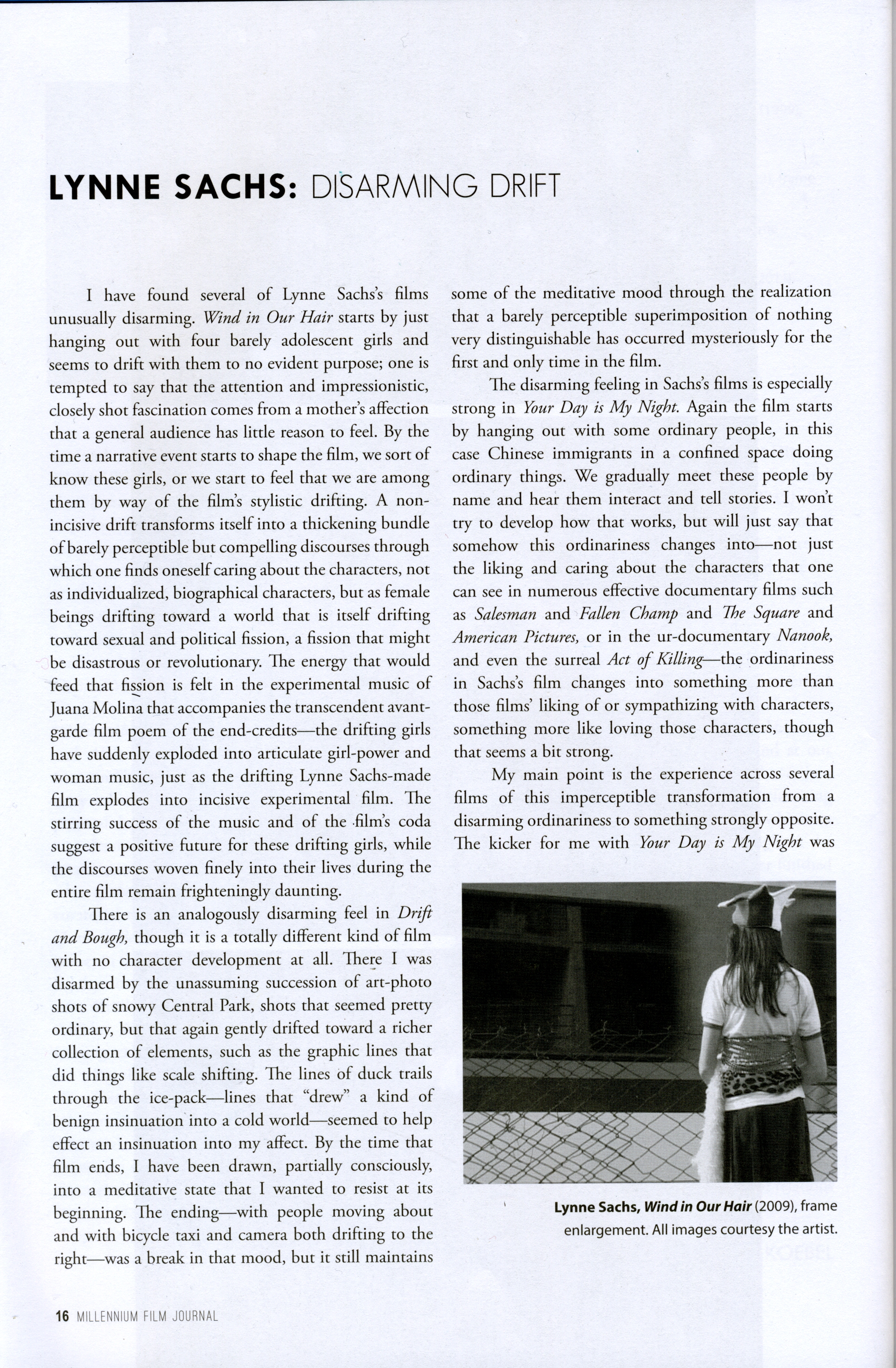
Wind in Our Hair/ Con viento en el pelo (40 min. 16mm and Super 8 on video, 2010)
Inspired by the stories of Argentine writer Julio Cortázar, yet blended with the realities of contemporary Argentina, “Wind in Our Hair” is an experimental narrative about four girls discovering themselves through a fascination with the trains that pass by their house. A story of early-teen anticipation and disappointment, Wind in Our Hair is circumscribed by a period of profound Argentine political and social unrest. Shot with 16mm, Super 8mm, Regular 8mm film and video, the film follows the girls to the train tracks, into kitchens, on sidewalks, in costume stores, and into backyards in the heart of Buenos Aires as well as the outskirts of town. Sachs and her Argentine collaborators move about Buenos Aires with their cameras, witnessing the four playful girls as they wander a city embroiled in a debate about the role of agribusiness, food resources and taxes. Using an intricately constructed Spanish-English “bilingual” soundtrack, Sachs articulates this atmosphere of urban turmoil spinning about the young girls’ lives. (Again this film moved from being a NO narrative film based on a short story by an Argentine author to being a YES film that included lots of documentary material. This shift is an indication of a move toward hybrid filmmaking.)
The Task of the Translator(10 min., video 2010)
Lynne Sachs pays homage to Walter Benjamin’s essay “The Task of the Translator” through three studies of the human body. First, she listens to the musings of a wartime doctor grappling with the task of a kind-of cosmetic surgery for corpses. Second, she witnesses a group of Classics scholars confronted with the haunting yet whimsical task of translating a newspaper article on Iraqi burial rituals into Latin. And finally, she turns to a radio news report on human remains. (Not sure what to call this one.)
Sound of a Shadow (10 min. Super 8mm film on video, made with Mark Street, 2011)
A wabi sabi summer in Japan–observing that which is imperfect, impermanent and incomplete– produces a series of visual haiku in search of teeming street life, bodies in emotion, and leaf prints in the mud. (Another blissful NO film that recognized the integrity of keeping it simple)
Same Stream Twice (4 min. 16mm b & w and color on DVD, 2012)
My daughter’s name is Maya. I’ve been told that the word maya means illusion in Hindu philosophy. In 2001, I photographed her at six years old, spinning like a top around me. Even then, I realized that her childhood was not something I could grasp but rather—like the wind—something I could feel tenderly brushing across my cheek. Eleven years later, I pull out my 16mm Bolex camera once again and she allows me to film her—different but somehow the same. (There is an organic logic to this so I will designate it a NO.)
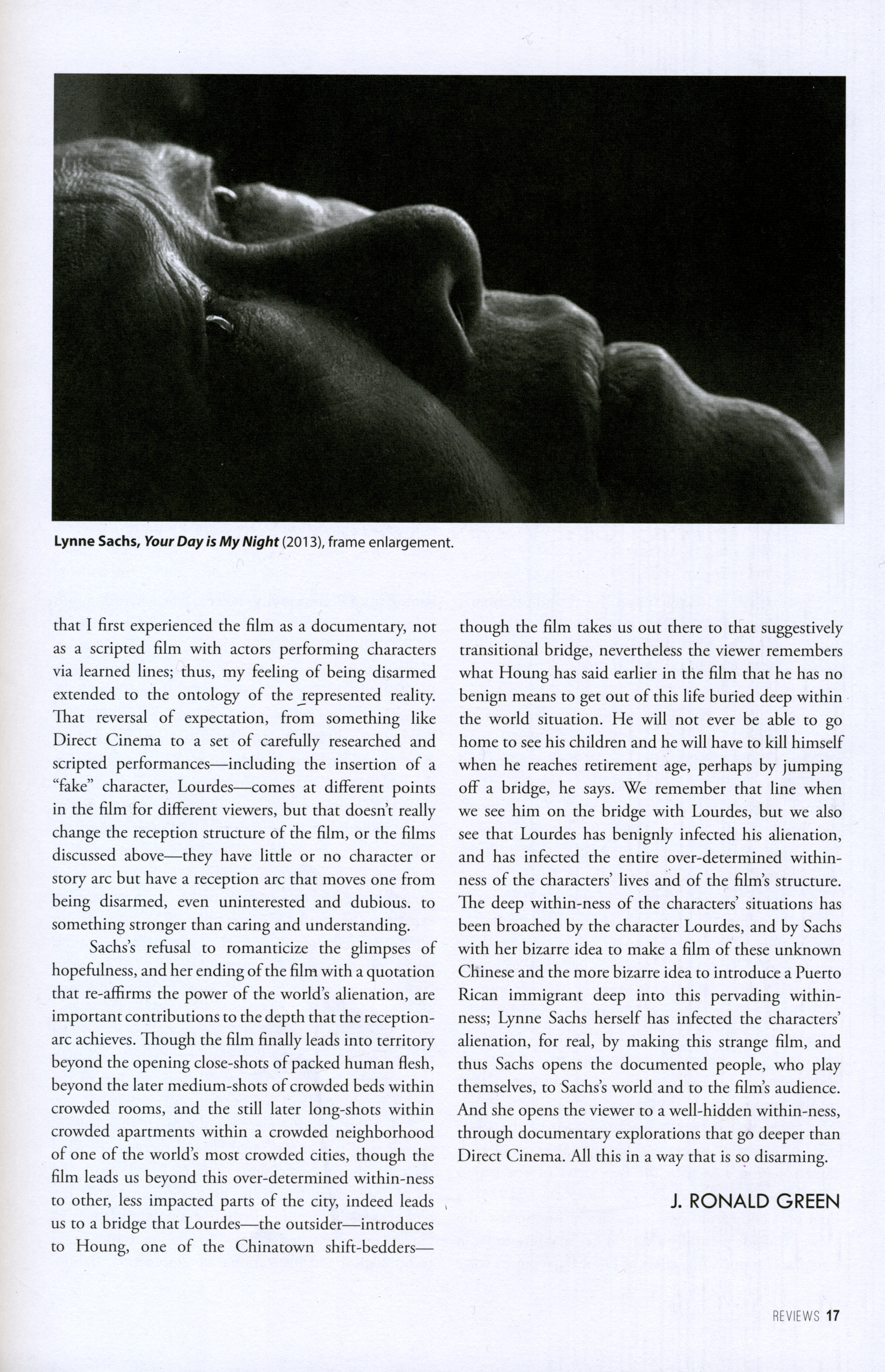
Your Day is My Night (HD video and live performance, 64 min., 2013)
Immigrant residents of a “shift-bed” apartment in the heart of New York City’s Chinatown share their stories of personal and political upheaval. As the bed transforms into a stage, the film reveals the collective history of the Chinese in the United States through conversations, autobiographical monologues, and theatrical movement pieces. Shot in the kitchens, bedrooms, wedding halls, cafés, and mahjong parlors of Chinatown, this provocative hybrid documentary addresses issues of privacy, intimacy, and urban life. (Because I brought in the performance and fiction elements to this documentary I must call it a YES film.)
Drift and Bough(Super 8mm on Digital, B&W, 6 min., 2014)
Sachs spends a morning this winter in Central Park shooting film in the snow. Holding her Super 8mm camera, she takes note of graphic explosions of dark and light and an occasional skyscraper. The stark black lines of the trees against the whiteness create the sensation of a painter’s chiaroscuro. Woven into this cinematic landscape, we hear sound artist Stephen Vitiello’s delicate yet soaring musical track which seems to wind its way across the frozen ground, up the tree trunks to the sky. (One very cold day in the park and some music. If there were more, it would melt. It’s a NO.)
Nightingale Cinema’s Christy LeMaster and Kartemquin Film’s Beckie Stocchetti join forces to present RUN OF LIFE, a co-curated experimental documentary and expanded media event running every third Monday.
This new series pairs a recent feature experimental documentary with a short nonfiction work in any number of mediums – performance, video short, interactive presentation, audio doc, etc.
Lynne Sachs’ YOUR DAY IS MY NIGHT (New Documentary)
The Run of Life Experimental Documentary Series at Constellation (3111 N. Western Ave.) – Monday, 7pm
“With a subject matter inspired in part by Jacob Riis’ How the Other Half Lives: Studies Among the Tenements of New York, Lynne Sachs’ YOUR DAY IS MY NIGHT is not so much an homage to Riis’ work as it is a modern reimagining of the issues he brought to light. Published in 1890, Riis’ book controversially documented the “shift-bed” lifestyle, among other aspects of the downtrodden immigrant experience, which involved people taking turns sleeping in shared beds. This practice still exists today, and Sachs uses it as a jumping-off point from which to explore various symbolic elements and the collective experiences of her characters. It’s far from a straightforward documentary, but much of what makes it so experimental actually happened off-screen; in 2011, after first learning about “hot bed houses” from a family member, Sachs decided to collaborate with her cast rather than merely film them recounting their stories. As she says in her director’s statement, “While working on YOUR DAY IS MY NIGHT, I came to see that every time I asked a person to talk in front of my camera, they were performing for me rather than revealing something completely honest about their lives. The very process of recording guaranteed that some aspect of the project would be artificial.” Thus Sachs met with her subjects (a group of non-professional Chinese “performer/participants”) almost weekly over a year and a half, using the impromptu workshops to script the monologues that provide context to the film’s poetic structure. Sachs uses a combination of 16mm, Super 8, and HD video to disorienting effect; the scenes shot on film are stark in contrast with the crispness of various close-ups shot on video. Additionally, beds are not just a plot device, but also a symbol of the film’s themes (privacy, intimacy, and urban life, among others). In this way, Sachs’ film is also like a gallery installation or a piece of performance art. (Sachs and the cast have presented YOUR DAY IS MY NIGHT as a live film performance on several occasions, and the artfulness of its construction combined with its social utility are reminiscent of Riis’ work, which is frequently exhibited in galleries around the world.) This hybrid documentary challenges not only the way such films are made, but also the way we watch and talk about it. Preceded by the sound piece LIGHT READINGS (Stephen Vitiello, 2001, 8 min) and the short film WINDOW CLEANING IN SHANGHAI (Laura Kissel, 2011, 3 min). Cinematographer Sean Hanley in person. (2013, 64 min, HD Digital Projection) KS”
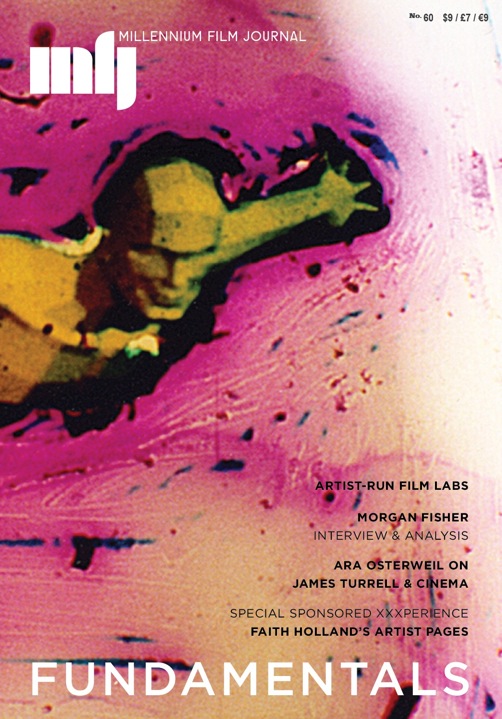
I have found several of Lynne Sachs’s films unusually disarming. Wind in Our Hair starts by just hanging out with four barely adolescent girls and seems to drift with them to no evident purpose; one is tempted to say that the attention and impressionistic, closely shot fascination comes from a mother’s affection that a general audience has little reason to feel. By the time a narrative event starts to shape the film, we sort of know these girls, or we start to feel that we are among them by way of the film’s stylistic drifting. A non-incisive drift transforms itself into a thickening bundle of barely perceptible but compelling discourses through which one finds oneself caring about the characters, not as individualized, biographical characters, but as female beings drifting toward a world that is itself drifting toward sexual and political fission, a fission that might be disastrous or revolutionary. The energy that would feed that fission is felt in the experimental music of Juana Molina that accompanies the transcendent avant-garde film poem of the end-credits—the drifting girls have suddenly exploded into articulate girl-power and woman music, just as the drifting Lynne Sachs-made film explodes into incisive experimental film. The stirring success of the music and of the film’s coda suggest a positive future for these drifting girls, while the discourses woven finely into their lives during the entire film remain frighteningly daunting.
There is an analogously disarming feel in Drift and Bough, though it is a totally different kind of film with no character development at all. There I was disarmed by the unassuming succession of art-photo shots of snowy Central Park, shots that seemed pretty ordinary, but that again gently drifted toward a richer collection of elements, such as the graphic lines that did things like scale shifting. The lines of duck trails through the ice-pack—lines that “drew” a kind of benign insinuation into a cold world—seemed to help effect an insinuation into my affect. By the time that film ends, I have been drawn, partially consciously, into a meditative state that I wanted to resist at its beginning. The ending—with people moving about and with bicycle taxi and camera both drifting to the right—was a break in that mood, but it still maintains some of the meditative mood through the realization that a barely perceptible superimposition of nothing very distinguishable has occurred mysteriously for the first and only time in the film.
The disarming feeling in Sachs’s films is especially strong in Your Day is My Night. Again the film starts by hanging out with some ordinary people, in this case Chinese immigrants in a confined space doing ordinary things. We gradually meet these people by name and hear them interact and tell stories. I won’t try to develop how that works, but will just say that somehow this ordinariness changes into—not just the liking and caring about the characters that one can see in numerous effective documentary films such as Salesman and Fallen Champ and The Square and American Pictures, or in the ur-documentary Nanook, and even the surreal Act of Killing—the ordinariness in Sachs’s film changes into something more than those films’ liking of or sympathizing with characters, something more like loving those characters, though that seems a bit strong.
My main point is the experience across several films of this imperceptible transformation from a disarming ordinariness to something strongly opposite. The kicker for me with Your Day is My Night was that I first experienced the film as a documentary, not as a scripted film with actors performing characters via learned lines; thus, my feeling of being disarmed extended to the ontology of the represented reality. That reversal of expectation, from something like Direct Cinema to a set of carefully researched and scripted performances—including the insertion of a “fake” character, Lourdes—comes at different points in the film for different viewers, but that doesn’t really change the reception structure of the film, or the films discussed above—they have little or no character or story arc but have a reception arc that moves one from being disarmed, even being uninterested and dubious, to something stronger than caring and understanding.
Sachs’s refusal to romanticize the glimpses of hopefulness, and her ending of the film with a quotation that re-affirms the power of the world’s alienation, are important contributions to the depth that the reception-arc achieves. Though the film finally leads into territory beyond the opening close-shots of packed human flesh, beyond the later medium-shots of crowded beds within crowded rooms, and the still later long-shots within crowded apartments within a crowded neighborhood of one of the world’s most crowded cities…though the film leads us beyond this over-determined within-ness to other, less impacted parts of the city, indeed leads us to a bridge that Lourdes—the outsider—introduces to Haung, one of the Chinatown shift-bedders—though the film takes us out there to that suggestively transitional bridge, nevertheless the viewer remembers what Haung has said earlier in the film that he has no benign means to get out of this life buried deep within the world situation. He will not ever be able to go home to see his children and he will have to kill himself when he reaches retirement age, perhaps by jumping off a bridge, he says. We remember that line when we see him on the bridge with Lourdes, but we also see that Lourdes has benignly infected his alienation, and has infected the entire over-determined within-ness of the characters’ lives and of the film’s structure. The deep within-ness of the characters’ situations has been broached by the character Lourdes, and by Sachs with her bizarre idea to make a film of these unknown Chinese and the more bizarre idea to introduce a Puerto Rican immigrant deep into this pervading within-ness; Lynne Sachs herself has infected the characters’ alienation, for real, by making this strange film, and thus Sachs opens the documentary people, who play themselves, to Sachs’s world and to the film’s audience. And she opens the viewer to a well-hidden within-ness, through documentary explorations that go deeper than Direct Cinema. All this in a way that is so disarming.